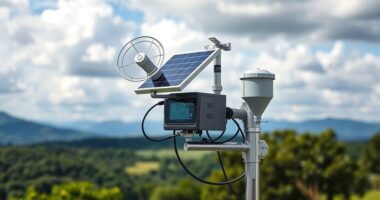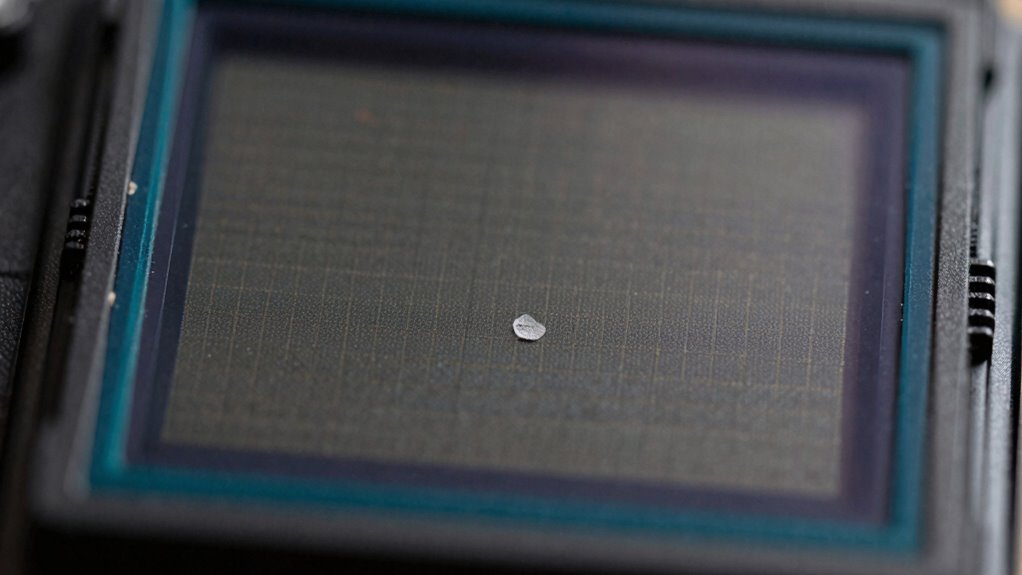

Calibration errors are the sensor mistake that causes more confusion than clarity. They can make your data seem like environmental changes when they’re just drifting or misaligned. These errors often mimic interference effects like signal noise, making troubleshooting difficult. Intertwined problems lead you to unnecessary recalibrations or replacements. If you want to understand how to pinpoint these issues accurately, keep exploring the factors that worsen sensor confusion and how to troubleshoot effectively.

Get garden gear delivered free with Prime
- Fast, free delivery on millions of items
- Prime Video, Amazon Music and more included
- Member-only deals all year
Key Takeaways
- Calibration errors can mimic environmental changes, leading to misinterpretation of sensor data.
- Signal interference distorts readings, causing confusion beyond actual environmental conditions.
- Sensor drift over time results in persistent inaccuracies, complicating troubleshooting efforts.
- External factors like electromagnetic noise can be mistaken for calibration issues, increasing ambiguity.
- Simultaneous calibration and interference issues often produce misleading data, hindering accurate diagnosis.

Have recent sensor errors only added to the confusion? If you rely on sensors for critical data, you probably already know how frustrating it can be when the readings suddenly become unreliable. Often, these issues stem from calibration errors or signal interference, and understanding their impact can help you troubleshoot more effectively. Calibration errors happen when sensors aren’t properly adjusted to match the specific conditions or standards they’re supposed to measure. Over time, sensors can drift from their original calibration, leading to inaccurate readings that might seem like genuine changes in whatever you’re monitoring. This misalignment causes you to second-guess your data, wondering if the problem is with the sensor or the environment itself. Instead of trusting the readings, you waste time recalibrating or replacing sensors, only to find the errors persist. Recognizing the sensor performance and its factors is essential for maintaining reliable data. Signal interference is another common culprit, especially in environments filled with electronic devices or other sources of electromagnetic noise. When interference sneaks into the sensor’s signals, it distorts the data, making readings appear inconsistent or erratic. You might see sudden spikes or drops that don’t correspond to real-world changes, leading to confusion about what’s truly happening. This interference can originate from nearby machinery, wireless signals, or even power fluctuations, and it’s often difficult to identify the root cause without specialized tools. As a result, you could end up chasing phantom issues, adjusting settings or replacing equipment unnecessarily. Additionally, external factors such as environmental conditions can influence sensor accuracy and further exacerbate confusion. Recognizing the importance of sensor calibration can help prevent these issues from recurring and improve overall reliability. What complicates matters is that calibration errors and signal interference often occur simultaneously, creating a feedback loop of misinformation. You might adjust your sensor based on a false reading caused by interference, only to realize later that the root problem was calibration. Conversely, a miscalibrated sensor can appear to be suffering from interference, prompting you to take unnecessary measures. The cycle breeds confusion, especially when there’s no clear indication of which factor is responsible. This is why understanding the interplay between calibration and interference is critical—you need to identify whether the inaccuracies stem from how the sensor is set up or from external noise disrupting its signals. Regularly verifying calibration and signal integrity can help detect issues early before they escalate. Using proper grounding, shielding cables, and conducting routine maintenance can appreciably reduce errors. Recognizing the signs of calibration drift and interference helps you act swiftly, preventing small glitches from snowballing into larger problems. Ultimately, being proactive about sensor maintenance and understanding the common pitfalls can save you time and provide more reliable data, rather than adding to the confusion with unnecessary troubleshooting.
As an affiliate, we earn on qualifying purchases.
Frequently Asked Questions
How Common Are Sensor Mistakes in Everyday Devices?
Sensor mistakes are quite common in everyday devices, especially if you neglect proper sensor calibration. You might experience issues like inaccurate readings or device malfunctions, which can complicate troubleshooting. Regularly checking and calibrating sensors helps prevent these errors, making device troubleshooting easier. Being aware of sensor accuracy and maintenance ensures your devices work smoothly, reducing confusion and enhancing overall performance.
What Industries Are Most Affected by Sensor Errors?
You’re likely to see sensor errors most often in the healthcare, automotive, and manufacturing industries. These sectors depend heavily on sensor calibration to meet strict industry standards. When sensors aren’t properly calibrated, it leads to inaccurate readings, risking safety and quality. To minimize errors, these industries prioritize regular calibration and adherence to industry standards, ensuring sensors perform reliably and reduce confusion caused by faulty data.
Can Sensor Mistakes Cause Safety Hazards?
Sensor mistakes can definitely cause safety hazards, like a butterfly flapping its wings with big consequences. When sensor calibration goes wrong, it sends false signals, which can lead to accidents or equipment failure. That’s why error diagnostics are vital—they help you identify and fix issues before they escalate. Ignoring these mistakes is like ignoring a warning sign, risking lives and safety in the process.
How Can Users Identify Faulty Sensors?
You can identify faulty sensors by regularly checking sensor calibration and performing fault detection tests. If a sensor’s readings are inconsistent, drift over time, or deviate from expected values, it’s likely faulty. Use diagnostic tools and compare data against known standards or manual measurements. Additionally, sudden changes or unusual patterns in sensor output should prompt further inspection. Regular maintenance guarantees sensors stay accurate, preventing confusion and ensuring safety.
Are There Ways to Prevent Sensor Mistakes During Manufacturing?
Prevent sensor mistakes during manufacturing like a craftsman perfecting a masterpiece by implementing rigorous calibration techniques and routine sensor maintenance. You should establish strict quality control protocols, regularly check sensor accuracy, and calibrate sensors according to manufacturer guidelines. Consistent maintenance guarantees sensors stay reliable, reducing errors. By integrating these proactive steps, you minimize faulty sensors, improve overall product quality, and prevent confusion caused by inaccurate readings.
Conclusion
You see, when sensors stumble, they cast shadows where clarity should shine, turning straightforward signals into tangled webs. Like a lighthouse flickering in a storm, their errors mislead and confuse, blurring the line between truth and illusion. Instead of guiding you safely, they become a fog that clouds your judgment. To navigate this maze, you must look beyond the faulty signals, trusting your instincts to cut through the haze and find the clear path ahead.
Fall yard work Picks
leaf blowers
As an affiliate, we earn on qualifying purchases.