Serious gardeners use greenhouse data to make smart decisions effortlessly. They rely on soil moisture levels to water precisely when needed, avoiding guesswork and overwatering. Pest tracking helps spot issues early, so they can act quickly and minimize chemical use. Automated alerts simplify daily checks, saving time and effort. By understanding climate impacts and recognizing patterns, they optimize plant health without overthinking. Keep exploring, and you’ll discover how to make this approach work best for you.

Get garden gear delivered free with Prime
- Fast, free delivery on millions of items
- Prime Video, Amazon Music and more included
- Member-only deals all year
Key Takeaways
- Focus on actionable alerts like watering and pest activity rather than tracking every data detail.
- Use automated thresholds to reduce manual monitoring and make quick decisions.
- Prioritize data that directly impacts plant health, ignoring less critical metrics.
- Regularly review patterns to optimize routines without overanalyzing daily fluctuations.
- Integrate data with simple workflows to streamline care without complicating gardening efforts.
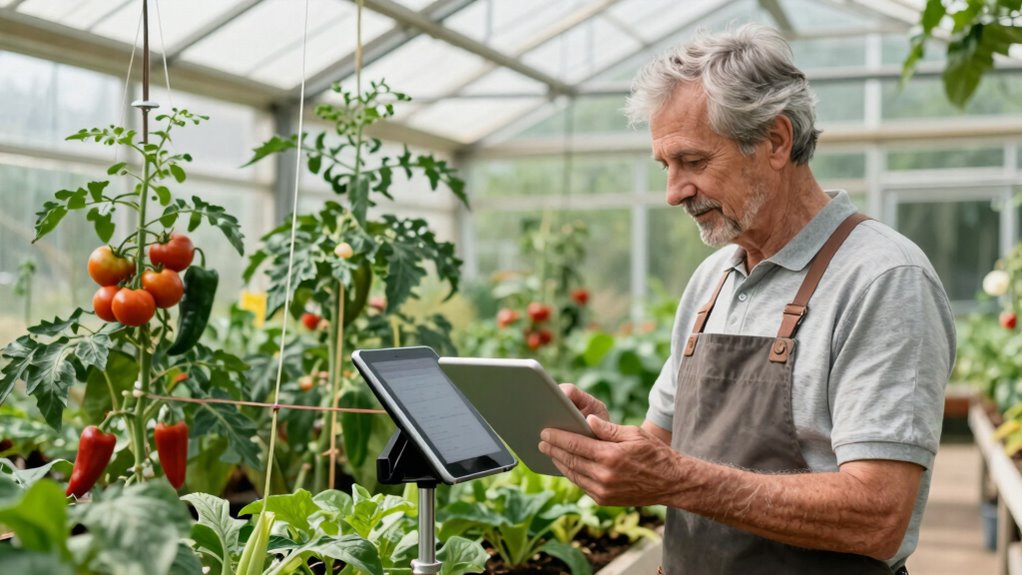
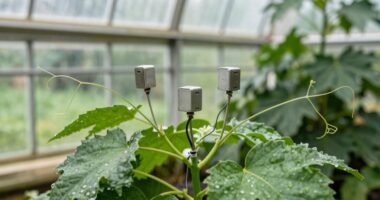
Greenhouse data is transforming how gardeners plan and care for their plants. With real-time insights, you can make smarter decisions about watering, pest control, and overall plant health. Instead of guessing or relying on routine schedules, you’re empowered to respond precisely to your greenhouse’s needs. For example, by monitoring soil moisture levels through data, you’ll know exactly when your plants require watering, helping to prevent overwatering or drought stress. This not only keeps your plants healthy but also conserves water and reduces waste. Pest monitoring data is equally valuable. When you track pest activity with sensors or cameras, you catch infestations early before they become severe. Early detection means you can act swiftly with targeted treatments, minimizing chemical use and protecting your plants naturally.
Using greenhouse data doesn’t mean you have to overcomplicate your routine. In fact, it simplifies your work by providing clear, actionable information. You can set thresholds for soil moisture, so your system alerts you when watering is needed, removing guesswork from your routine. Similarly, pest monitoring tools can notify you of pest presence or movement, allowing you to address issues immediately. This proactive approach helps keep pest populations under control without waiting until damage is visible, saving you time and effort later. Plus, data helps you identify patterns over time. You might notice certain areas of your greenhouse tend to dry out faster or specific spots where pests are more active. Armed with this knowledge, you can adjust watering zones or enhance pest barriers, making your greenhouse more efficient and resilient. Emphasizing sustainable practices can also help promote a healthier balance within your greenhouse ecosystem.
Most serious gardeners use greenhouse data as a tool, not a burden. They integrate it into daily routines without letting it overwhelm them. They often utilize sensor technology to streamline monitoring and reduce manual checks. For instance, setting up automated alerts for soil moisture or pest activity ensures you stay informed without constantly checking sensors. With just a quick glance at your device, you get a snapshot of your greenhouse’s status. This keeps your focus on your plants rather than on constant monitoring. Over time, the data helps you refine your care strategies, making your greenhouse a healthier environment. Incorporating animal welfare principles into greenhouse management can also promote healthier ecosystems for both your plants and any beneficial creatures involved. Additionally, understanding how climate control impacts your greenhouse conditions can further optimize plant health and productivity. Properly leveraging greenhouse data enables serious gardeners to work smarter, not harder, ensuring thriving plants with less stress.
Frequently Asked Questions
How Often Should I Check My Greenhouse Data?
You should check your greenhouse data daily, especially soil moisture and light intensity, to keep conditions ideal. If you notice fluctuations or unusual readings, increase your monitoring frequency. During hot or dry weather, more frequent checks help prevent stress on your plants. Regularly keeping an eye on these data points ensures your greenhouse environment stays consistent, promoting healthy growth and preventing problems before they escalate.
What’s the Best Way to Interpret Temperature Fluctuations?
Think of temperature fluctuations as a dance with your microclimate patterns and seasonal variations. To interpret them best, track changes over days and compare them to outdoor weather trends. Sudden spikes might signal equipment issues, while gradual shifts reflect seasonal changes. Regularly reviewing your data helps you fine-tune your greenhouse environment, ensuring plants thrive without stressing over every tiny fluctuation. Just stay observant, and you’ll learn the rhythm of your garden.
Can Greenhouse Data Help Prevent Plant Diseases?
Yes, greenhouse data can greatly help prevent plant diseases through plant disease monitoring. By tracking temperature, humidity, and leaf wetness, you can identify early warning signs of conditions that favor disease development. This data-driven prevention approach allows you to adjust ventilation, watering, or humidity levels proactively, reducing disease risks. Regularly analyzing this data empowers you to make informed decisions, keeping your plants healthier and minimizing the need for chemical treatments.
Do I Need Special Tools to Collect Greenhouse Data?
You don’t need special tools to collect greenhouse data, but having reliable sensors is essential. Focus on proper sensor calibration to guarantee accurate readings, and use simple data logging techniques like digital logs or cloud-based systems. These tools help you monitor temperature, humidity, and other conditions effectively, making it easier to make informed decisions without overcomplicating your gardening process. Reliable data leads to healthier plants.
How Can I Share Data With Fellow Gardeners Easily?
You can easily share data with fellow gardeners by using a garden journal to record your observations and data. Then, create simple data visualizations like charts or graphs to showcase trends. Share these visuals through email, messaging apps, or cloud storage. This approach makes it straightforward for others to understand your greenhouse data, fostering collaboration without overthinking, and helps everyone make informed gardening decisions together.
Conclusion
By embracing greenhouse data, you can make smarter gardening decisions without overcomplicating things. For instance, did you know that growers who track temperature and humidity see a 20% increase in crop yield? So, don’t overthink every detail—use the data to guide your intuition and enjoy the process. With just a little insight, you’ll enjoy healthier plants and a more rewarding garden. Keep it simple, and let the data work for you!
Halloween Picks
halloween
As an affiliate, we earn on qualifying purchases.