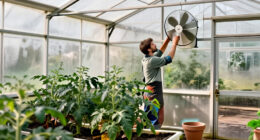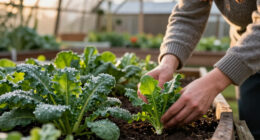

The most critical weather station detail for greenhouse planning is precise solar radiation data combined with humidity levels. This information helps you optimize light exposure, manage temperature, and control humidity for healthier plants and higher yields. By monitoring these variables closely, you can adjust shading, ventilation, and watering effectively. Staying on top of these details allows you to create the ideal environment regardless of external weather, and there’s more to discover about how this data can transform your greenhouse management.

Get garden gear delivered free with Prime
- Fast, free delivery on millions of items
- Prime Video, Amazon Music and more included
- Member-only deals all year
Key Takeaways
- Accurate solar radiation data to optimize greenhouse shading and positioning.
- Real-time humidity monitoring for precise ventilation and microclimate control.
- Integrated environmental data to proactively manage temperature, light, and moisture levels.
- Localized weather insights for tailored adjustments beyond general forecasts.
- Data-driven decisions to enhance crop health, energy efficiency, and sustainability.
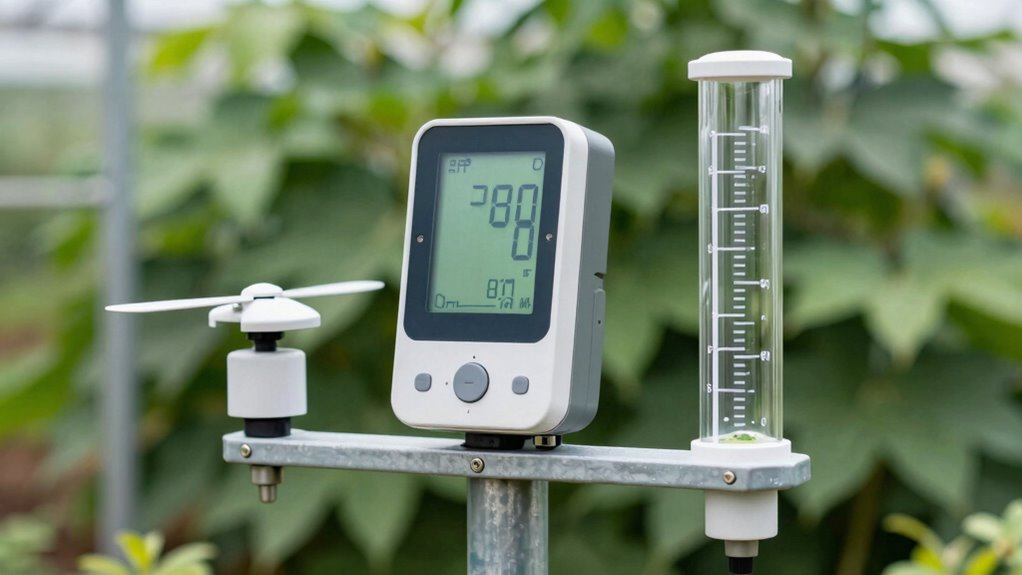
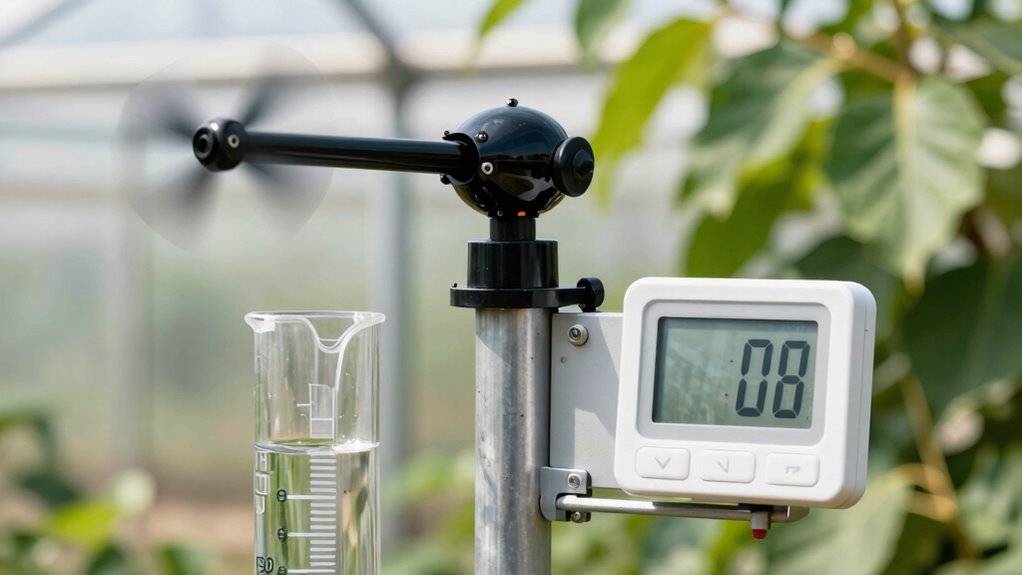
When planning a greenhouse, understanding precise weather data is essential for ideal growth conditions. One of the most valuable details your weather station can provide is solar radiation levels. Solar radiation determines how much sunlight your plants receive each day, influencing photosynthesis, growth rates, and flowering cycles. Knowing this data helps you optimize the placement of your greenhouse and adjust shading systems to prevent overheating or inadequate light. If your weather station tracks solar radiation accurately, you can fine-tune your environment to match the specific needs of your crops, reducing energy waste and increasing yields.
Alongside solar radiation, humidity control is equally vital. Greenhouses often struggle with maintaining consistent humidity levels, which directly affects plant health and disease resistance. When your weather station monitors humidity data, you get real-time insights into moisture levels in the air. This information allows you to automate or manually adjust ventilation, misting, and dehumidification systems, creating a stable environment for your plants. Proper humidity control minimizes issues like mold, mildew, and leaf diseases, ensuring your crops thrive without unnecessary stress. Additionally, understanding microclimate variations can help you make more precise adjustments tailored to different sections of your greenhouse.
Monitoring humidity helps automate adjustments, preventing mold, mildew, and diseases for healthier, more resilient crops.
Integrating solar radiation and humidity data into your planning process means you’re not just reacting to weather changes but actively managing the environment. For example, if your station indicates high solar radiation during the hottest part of the day, you can deploy shading screens or ventilation to prevent heat stress. Simultaneously, monitoring humidity helps you prevent excessive dryness or dampness that could hinder plant growth or promote pests. By combining these data points, you create a balanced environment that maximizes photosynthesis while preventing environmental stresses.
Your weather station’s ability to deliver precise, localized data allows you to make smarter decisions. Instead of relying on general weather forecasts, you get tailored insights specific to your greenhouse’s microclimate. This precision is especially valuable when planning for seasonal changes or unexpected weather events. You can anticipate the need for adjustments in real-time, securing ideal conditions for your plants 24/7. Additionally, the data collected can serve as a baseline for long-term climate management, helping you refine your greenhouse’s design and operational strategies over time.
In essence, the weather station detail that most notably enhances greenhouse planning is its capacity to accurately measure solar radiation and humidity. These two factors directly influence plant health, energy efficiency, and crop productivity. By leveraging this detailed data, you gain a competitive edge, creating a controlled environment where plants can flourish regardless of external weather conditions. This proactive approach makes your greenhouse more sustainable, productive, and responsive to nature’s ever-changing patterns. A key aspect of accurate weather data is understanding how external conditions interact with your greenhouse environment, enabling more precise adjustments and better crop outcomes.
solar radiation greenhouse sensor
As an affiliate, we earn on qualifying purchases.
As an affiliate, we earn on qualifying purchases.
Frequently Asked Questions
How Often Should Weather Data Be Updated for Effective Planning?
You should update weather data at least daily for effective planning, guaranteeing you capture recent changes and maintain data accuracy. Regular updates allow you to observe historical patterns and adapt your greenhouse conditions accordingly. Frequent data collection helps identify trends, such as temperature fluctuations or rainfall patterns, so you can optimize your environment. Staying current with weather data ensures your decisions are based on the most reliable information, improving crop health and yield.
Can Weather Stations Predict Future Climate Trends Accurately?
Weather stations can’t predict future climate trends with complete accuracy, but they contribute valuable data for climate modeling. You should understand that data accuracy is essential; high-quality, consistent data improves the reliability of climate forecasts. While weather stations provide current conditions, predicting long-term climate trends requires integrating this data into broader models. So, rely on weather stations as part of a larger system, not as standalone predictors of future climate.
What Are the Costs Associated With Installing Advanced Weather Stations?
Installing advanced weather stations involves costs that you should carefully analyze through a cost analysis. These expenses include the price of the equipment itself, which can range from moderate to high depending on features, as well as installation expenses, such as site preparation, professional setup, and calibration. Keep in mind ongoing costs like maintenance and data subscriptions. Planning your budget with these factors guarantees you maximize your investment in accurate weather data.
How Do Weather Station Features Vary for Different Greenhouse Types?
You’ll find that weather station features vary based on your greenhouse type, focusing on climate adaptation needs. For example, high-tech greenhouses may require advanced sensors for precise data, while smaller setups might prioritize basic temperature and humidity monitoring. Regular sensor calibration guarantees data accuracy, essential for climate control. Understanding these differences helps you select the right weather station features, optimizing your greenhouse’s environment and boosting plant health.
Are There Specific Weather Metrics More Critical Than Others for Greenhouse Success?
Humidity levels and wind speed are the most critical weather metrics for greenhouse success. You need to monitor humidity closely to prevent diseases and maintain ideal plant growth. Wind speed matters because strong winds can damage structures or cause heat loss. By keeping an eye on these metrics with your weather station, you can adjust ventilation, heating, and structural protections effectively, ensuring a healthy, productive greenhouse environment.
Conclusion
By understanding your weather station’s detailed data, you gain control over your greenhouse’s success. It’s like holding the keys to a lush, thriving sanctuary amid unpredictable weather. Without it, you’re vulnerable to surprises, risking your hard work. But with precise insights, you can adapt, protect, and nurture your plants confidently. In a world of uncertainty, your weather station becomes your most loyal ally—a quiet hero helping your greenhouse flourish against all odds.
Fall Picks
fall essentials
As an affiliate, we earn on qualifying purchases.