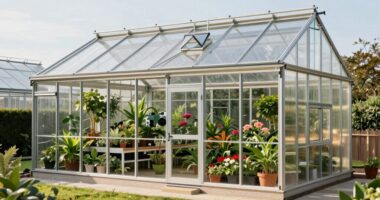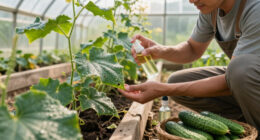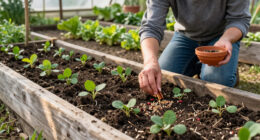
To choose fewer, better greenhouse tools, focus on high-quality, sustainable materials that last longer and perform well. Look for ergonomic designs that feel comfortable and reduce strain during use. Opt for versatile, multi-purpose tools that can handle various tasks, helping you organize and streamline your workspace. Prioritize eco-friendly options to support environmental health. By selecting thoughtfully, you’ll create a more efficient, less cluttered system that benefits your plants and the planet—discover more ways to optimize your setup below.

Get garden gear delivered free with Prime
- Fast, free delivery on millions of items
- Prime Video, Amazon Music and more included
- Member-only deals all year
Key Takeaways
- Prioritize high-quality, sustainable tools made from eco-friendly materials to ensure durability and reduce environmental impact.
- Choose ergonomic designs for comfort, reducing strain and increasing efficiency during prolonged use.
- Opt for versatile, multi-purpose tools to minimize clutter and streamline your greenhouse management.
- Focus on fewer, well-made tools to create an organized workspace and improve overall workflow.
- Select tools supporting conservation efforts, promoting long-term sustainability and healthy ecosystems.
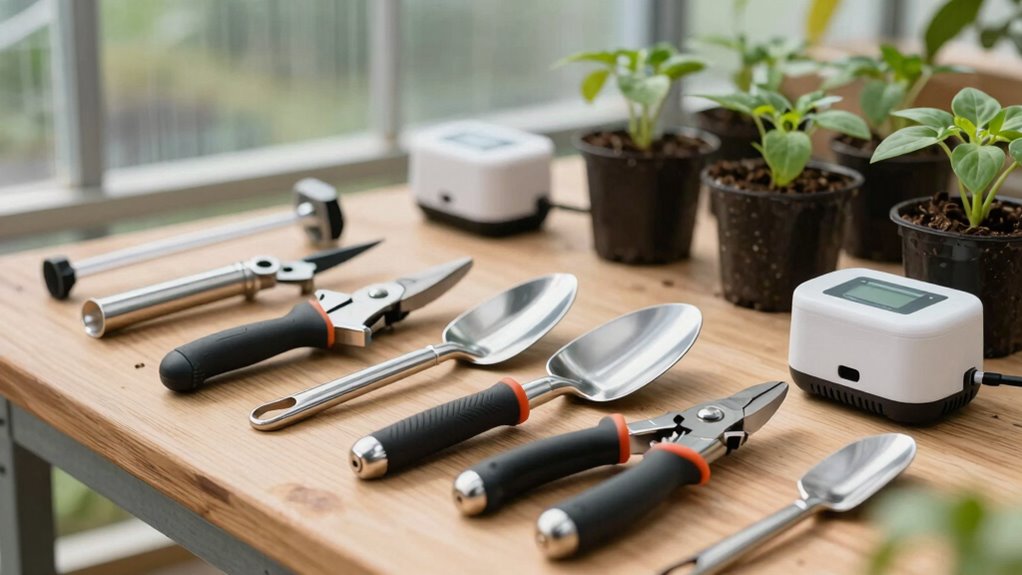
When it comes to maintaining a healthy greenhouse, choosing the right tools can make all the difference. Instead of cluttering your workspace with every gadget available, focus on selecting fewer, higher-quality tools that serve multiple purposes. This approach not only streamlines your workflow but also benefits the environment. When evaluating potential tools, prioritize sustainable material selection. Opt for items made from eco-friendly, durable materials like recycled metals or responsibly sourced wood. These choices reduce your ecological footprint and often result in longer-lasting tools, saving you money over time. By choosing sustainably produced tools, you support environmentally conscious manufacturing and contribute to healthier ecosystems.
Equally important are ergonomic design considerations. The tools you use should feel comfortable and natural in your hand, reducing strain and fatigue during prolonged use. Look for tools with ergonomically shaped handles, padded grips, and balanced weight distribution. This design focus helps prevent repetitive strain injuries and enhances your efficiency. When selecting pruning shears, trowels, or watering cans, test their comfort first. Well-designed tools may cost a bit more initially but pay off in comfort and durability, making your gardening tasks less taxing and more enjoyable. Additionally, selecting tools with industry-standard ergonomic features can further improve your overall gardening experience. Incorporating ergonomic principles into your tool choices promotes long-term health and productivity.
Beyond material and ergonomic factors, consider versatility. A single multi-purpose tool can replace several specialized items, decreasing clutter and making your system more efficient. For example, a high-quality pruning shear with adjustable blades can handle various cutting needs, reducing the number of separate tools you need to carry or store. Similarly, a watering system with adjustable nozzles can accommodate different plant types and watering needs without requiring additional equipment. This consolidation simplifies maintenance and saves space, making your greenhouse more organized. Choosing versatile tools also helps reduce waste by minimizing the need for multiple specialized items, aligning with sustainable practices.
Investing in fewer, better tools also means prioritizing quality over quantity. Cheaper, disposable tools might seem appealing initially, but they tend to wear out quickly and require frequent replacements. High-quality tools, especially those made from sustainable materials with ergonomic designs, tend to last longer, perform better, and reduce waste. Additionally, choosing tools that are designed with biodiversity and conservation in mind can further minimize environmental impact. When you choose carefully, you create a more sustainable, efficient system that minimizes environmental impact while maximizing productivity. In the end, it’s about making mindful choices that serve your plants, your workspace, and the planet, ensuring your greenhouse remains healthy, productive, and sustainable for years to come.
As an affiliate, we earn on qualifying purchases.
Frequently Asked Questions
How Do I Determine the Best Tools for My Specific Greenhouse Size?
To determine the best tools for your greenhouse size, assess your plant propagation needs and pest management strategies. For smaller greenhouses, focus on compact, multi-use tools like hand pruners and misting systems. Larger setups may require automated watering and climate control systems. Consider your space’s layout and the types of plants you’re growing, ensuring tools are scalable and efficient, helping you manage pests and nurture healthy plants effectively.
What Eco-Friendly Materials Are Available for Greenhouse Tools?
Have you considered eco-friendly materials for your greenhouse tools? Opt for biodegradable plastics that break down naturally, reducing waste, and recycled aluminum, which is durable and sustainably sourced. These materials help lower your environmental impact while maintaining quality. Isn’t it rewarding to care for your plants and the planet simultaneously? Choosing tools made from such sustainable materials makes your greenhouse more eco-conscious and efficient.
How Often Should I Upgrade or Replace Greenhouse Tools?
You should upgrade or replace your greenhouse tools based on tool maintenance needs and replacement scheduling. Regularly inspect tools for wear, rust, or damage, and replace them when repairs become inefficient. Typically, high-use tools like pruning shears or trowels need replacement every 1-3 years, while durable tools can last longer with proper maintenance. Staying proactive guarantees your tools stay effective, helping you maintain a healthy, productive greenhouse.
Are There Any Safety Concerns With Certain Greenhouse Tools?
Around 70% of greenhouse accidents happen due to improper tool use, highlighting the importance of tool safety. Some tools, like sharp pruning shears or power tools, pose risks if not handled correctly. To prevent hazards, always wear protective gear, keep tools well-maintained, and follow manufacturer instructions. Proper hazard prevention guarantees a safer environment for you and your plants, reducing injury risks and maintaining efficient greenhouse operations.
How Can I Reduce Energy Consumption With Greenhouse Systems?
To reduce energy consumption with greenhouse systems, you should focus on implementing smart energy solutions like automated climate controls that optimize heating, cooling, and lighting. Incorporate sustainable practices such as using energy-efficient LED lights and insulation to minimize heat loss. Regularly maintain equipment to guarantee efficiency, and consider renewable energy sources like solar panels. These strategies help you lower energy costs, promote sustainability, and create a more eco-friendly greenhouse environment.
Conclusion
By choosing carefully, you craft a collection of greenhouse tools that’s both clever and capable. When you prioritize precision, performance, and longevity, you create a thriving, lush landscape. Remember, fewer, finer tools foster focus, flow, and fruitful results. So, select smartly, streamline your system, and see your greenhouse flourish. Your dedication to deliberate decisions delivers dazzling, durable, and delightful gardening days—making every moment in your greenhouse truly rewarding.
Fall Picks
fall essentials
As an affiliate, we earn on qualifying purchases.