
When building a backyard greenhouse, you need to check your local building codes and permit requirements first. These regulations ensure your structure is safe, sturdy, and compliant, covering foundation, ventilation, electrical wiring, and other aspects. You may need permits for plumbing or structural changes, and inspections might be scheduled during construction. Knowing these rules upfront helps you avoid delays or fines, and there’s more to contemplate to keep your project on track.
Key Takeaways
- Check local building codes for foundation, structure, and safety requirements before starting your greenhouse project.
- Obtain necessary permits for construction, electrical wiring, plumbing, or structural modifications from local authorities.
- Ensure foundation specifications meet regional standards, especially in areas with high wind, snow, or unstable soil.
- Comply with building and ventilation codes to promote energy efficiency, proper airflow, and plant health.
- Schedule and pass inspections during construction to verify adherence to codes and avoid future compliance issues.

If you’re planning to build a backyard greenhouse, understanding local building codes and permit requirements is essential. These regulations guarantee your structure is safe, durable, and compliant with community standards. One of the first steps is to research the specific requirements in your area, which often include foundation requirements. Your local building department may specify how deep or sturdy the foundation must be, especially if you live in a region with high winds, heavy snowfall, or unstable soil. A proper foundation not only provides stability but also helps prevent issues like shifting or water damage over time. Depending on your greenhouse’s size and design, you might need a concrete slab, footing, or other approved foundation type. Failing to meet these requirements could result in delays, fines, or the need to redo the foundation later, so it’s best to get it right from the start. Additionally, understanding building codes related to ventilation and insulation can help improve your greenhouse’s energy efficiency and comfort.
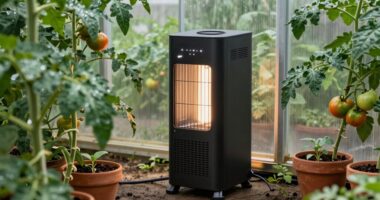
Electrical wiring regulations are another critical aspect of compliance. If your greenhouse includes electrical components—such as lighting, fans, heaters, or automatic vent systems—you’ll need to adhere to local electrical codes. These regulations typically specify how wiring should be installed, what type of outlets are permitted, and whether a dedicated circuit is necessary. You might also need to install weatherproof outlets and ensure all wiring is properly grounded and protected from moisture. In many areas, a licensed electrician’s inspection is required before you can turn on any electrical systems. Not following electrical wiring regulations not only poses safety risks but can also invalidate your permit and cause problems during inspections. It’s wise to plan your electrical setup carefully and consult local codes beforehand to avoid costly revisions later.
Beyond foundation and electrical considerations, you should also check if you need permits for other aspects, such as plumbing, ventilation, or structural modifications. Some municipalities require inspections at various stages of construction to verify compliance. To streamline the process, contact your local building department early in the planning phase. They can provide detailed guidance on what’s required, help you understand the scope of inspections, and clarify any documentation you’ll need to submit.
backyard greenhouse foundation kit
As an affiliate, we earn on qualifying purchases.
As an affiliate, we earn on qualifying purchases.
Frequently Asked Questions
Are Temporary Greenhouses Subject to the Same Permits?
Temporary greenhouses often qualify for permit exemptions, but it depends on your local regulations. Typically, these temporary structures aren’t subject to the same permits as permanent ones if they meet specific size and time limits. You should check with your city or county building department to confirm whether your greenhouse qualifies as a temporary structure and if you need any permit exemptions. This way, you avoid potential legal issues down the line.
How Do I Appeal Permit Denial Decisions?
So, your permit got denied—welcome to the club! Don’t despair; you can appeal. Start by reviewing the zoning exceptions and permit appeal procedures in your local regulations. Gather your evidence, craft a compelling case, and submit your appeal to the right department. Be persistent, respectful, and patient—sometimes, it’s all about convincing them your green thumb deserves a pass. Good luck transforming that “no” into a “yes”!
Do Different Materials Affect Permit Requirements?
Yes, different materials can impact permit requirements because they influence the permitting variations needed. For example, using standard wood or metal may require fewer approvals, while special materials like certain plastics or innovative composites might trigger additional reviews or permits. You should check local building codes to see how material choices affect your permit process, ensuring you meet all safety and zoning standards for your backyard greenhouse.
Are There Specific Setbacks for Backyard Greenhouses?
You’ll want to be mindful of greenhouse setbacks, which are often part of zoning restrictions. These setbacks help make certain your greenhouse isn’t too close to property lines, providing a respectful space between neighbors and structures. Check your local regulations, as setback distances can vary based on your area’s zoning rules. Staying within these guidelines keeps your project smooth and avoids potential issues with permits or neighbors.
How Do I Update Permits for Structural Modifications?
To update permits for structural modifications, you should contact your local building department promptly. Explain the changes you’re making, and they’ll guide you through the permit update process. Be prepared to submit detailed plans or drawings of the modifications. Once reviewed and approved, they’ll issue an updated permit. Always keep records of all correspondence and approvals to guarantee your backyard greenhouse remains compliant with local building codes.
Conclusion
Charting building codes and permits is like charting a course through uncharted waters. While it might seem intimidating, understanding the rules helps your backyard greenhouse flourish like a well-tended garden. By staying informed and following the right steps, you’ll guarantee your green oasis stands tall and protected. Think of permits as the sturdy foundation—once in place, your greenhouse becomes a thriving sanctuary, ready to grow and inspire for seasons to come.