When choosing a greenhouse on Amazon, prioritize sturdy materials like galvanized steel or aluminum for durability, and opt for impact-resistant glazing such as polycarbonate panels that resist weather and provide insulation. Focus on good ventilation, proper lighting with adjustable, full-spectrum grow lights, and automation features like climate sensors. Skip cheap, low-quality frames or flashy designs that don’t add value. To make an informed choice, you’ll discover key specs that truly matter and what to avoid.
Key Takeaways
- Prioritize durable, weather-resistant frame materials like galvanized steel or aluminum over decorative or lightweight options.
- Focus on proper ventilation, climate control features, and automation to maintain optimal growing conditions.
- Choose full-spectrum, adjustable lighting with uniform distribution for healthy plant development.
- Evaluate customer reviews and long-term durability rather than low prices or flashy features.
- Ensure the greenhouse size, aesthetic, and maintenance ease align with your space and gardening goals.
Key Materials for Durable, Plant-Friendly Greenhouses

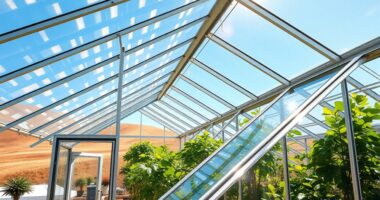
Choosing the right materials is essential for building a durable, plant-friendly greenhouse. When evaluating options, consider materials with high resilience to withstand weather and daily wear. Polycarbonate panels are popular because they’re lightweight, impact-resistant, and offer good insulation, making them a reliable choice. Glass, while more fragile, provides excellent light transmission, but may require more maintenance. Metal frames, like aluminum or galvanized steel, offer strength and longevity, reducing replacement costs over time. Price considerations also matter; investing in quality materials might seem costly upfront but saves money through fewer repairs and replacements. Cheaper options may seem appealing initially, but they often compromise resilience, leading to higher long-term expenses. Balancing materials durability with your budget ensures a sturdy, efficient, plant-friendly greenhouse. Additionally, material resilience is a crucial factor to ensure your greenhouse withstands various weather conditions over time. A good understanding of material durability can help you select options that maintain their integrity despite exposure to elements like wind, rain, or snow. Moreover, considering weather resistance in your material choices can significantly extend the lifespan of your greenhouse structure. Being aware of ear wax odor issues in the environment can also inform your choice of materials that resist mold or odor buildup, contributing to a healthier space for your plants.
How Does Ventilation and Airflow Affect Plant Health?
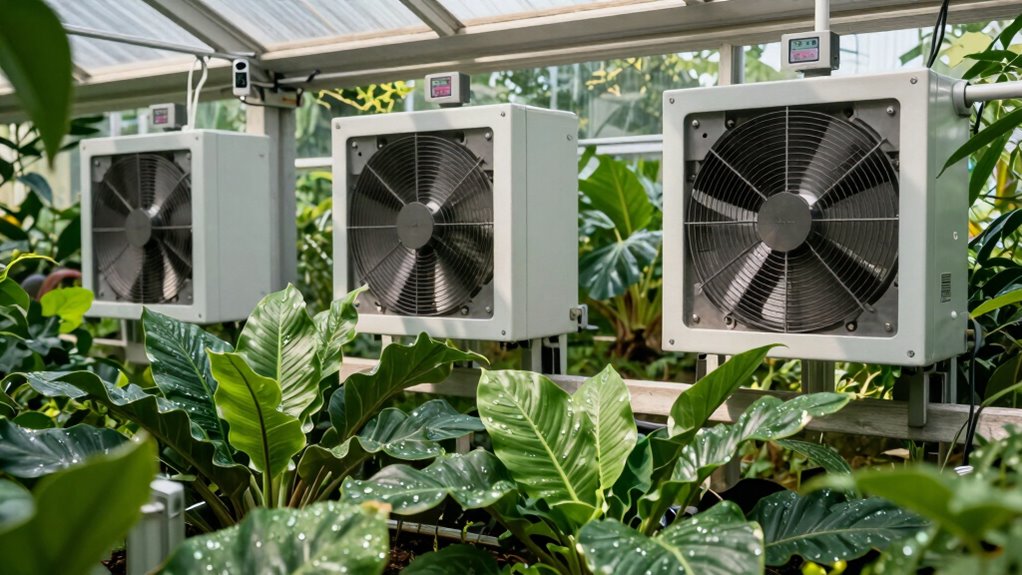
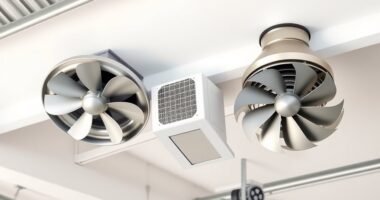
Proper ventilation and airflow are essential for maintaining a healthy greenhouse environment. Good airflow prevents excess humidity, reduces disease risk, and promotes healthy plant growth. Efficient ventilation improves ventilation effectiveness, ensuring fresh air reaches every part of your greenhouse. Proper airflow patterns distribute CO₂ evenly, helping plants photosynthesize effectively. Without proper airflow, stagnant air can cause hot spots or cold drafts, stressing your plants. To maximize airflow, consider fan placement and ventilation openings that encourage circulation. Incorporating indoor air quality measures like HEPA, carbon, or UV-C filters can also enhance overall environmental health. Additionally, choosing resilient species that adapt well to airflow variations can further support plant vitality. Ensuring proper ventilation design is crucial for maintaining consistent airflow and optimal plant conditions. Paying attention to airflow patterns can help prevent issues caused by uneven air distribution, ensuring every plant receives the right amount of fresh air.
Lighting Specifications That Boost Plant Growth

To maximize plant growth, you need to pay attention to lighting specifications like spectrum quality, intensity, and timing. The right light spectrum encourages healthy development, while ideal intensity ensures plants get enough energy without stress. Adjusting duration and timing helps mimic natural conditions, boosting overall health and yield. Additionally, understanding the precious metal investment options available can help diversify your portfolio and strengthen your financial stability. Considering the light spectrum can significantly impact how effectively your plants grow under artificial lighting conditions. Properly managing these factors can create an optimal environment for your plants, similar to how a well-balanced support network benefits new fathers.
Light Spectrum Quality
Light spectrum quality plays an essential role in maximizing plant growth inside a greenhouse. It influences how well your plants photosynthesize and develop. To optimize this, focus on:
- Color temperature: Choose lighting with an appropriate Kelvin rating to mimic natural sunlight, enhancing plant health.
- Light uniformity: Guarantee even distribution of light across your plants to prevent shadows and uneven growth.
- Spectral composition: Opt for lights that provide a full spectrum, especially in blue and red wavelengths, which are critical for photosynthesis.
- Adjustability: Select systems that allow you to modify spectrum settings based on plant growth stages for better results. Understanding the spectral quality of your lighting can significantly influence how well your plants perform.
Prioritizing these factors helps you achieve consistent, healthy plant development by delivering the right light quality. Additionally, considering light spectrum quality can help you choose the most effective lighting setup for your greenhouse.
Optimal Light Intensity
Achieving ideal plant growth inside a greenhouse heavily depends on providing the right light intensity, as insufficient or excessive lighting can hinder development. When light levels are perfect, plants can maximize photosynthesis, leading to healthier growth. Too much light may cause stress, while too little can stunt development. To support this, guarantee your plant watering schedule matches the light conditions—more light often increases water needs. Soil nutrition also plays a role; well-fed soil helps plants better utilize available light. Adjust lighting equipment to maintain consistent intensity and avoid fluctuations that can disrupt growth. Remember, balancing light intensity with proper watering and soil nutrition creates an environment where plants thrive, avoiding stress and promoting robust development. Additionally, understanding the lighting specifications that influence plant health can help optimize greenhouse conditions effectively. Properly calibrated lighting equipment ensures your plants receive the optimal light intensity for their specific needs. Regular monitoring of light levels can prevent potential issues caused by uneven or inadequate illumination, ensuring consistent plant development. Incorporating light management techniques can further enhance plant performance and overall greenhouse productivity. Maintaining awareness of lighting conditions can also help in adjusting other environmental factors to support plant health.
Duration and Timing
Controlling the duration and timing of your greenhouse lighting is essential for optimizing plant growth. Proper scheduling influences growth cycles and yields. Consider these key points:
- Use timers to guarantee consistent light schedules, which can improve plant health and reduce energy costs.
- Mimic natural daylight hours for different plant types, as customer reviews often highlight the importance of tailored light timing.
- Adjust lighting duration seasonally, aligning with natural sunlight to optimize growth stages.
- When comparing pricing strategies, focus on greenhouses with programmable lighting systems that offer flexibility and reliability, rather than just low-cost options.
Ultimately, well-planned duration and timing can enhance growth, save money, and meet customer expectations. Ignoring these factors may lead to subpar results, regardless of lighting intensity.
Automation and Climate Control Systems for Greenhouses
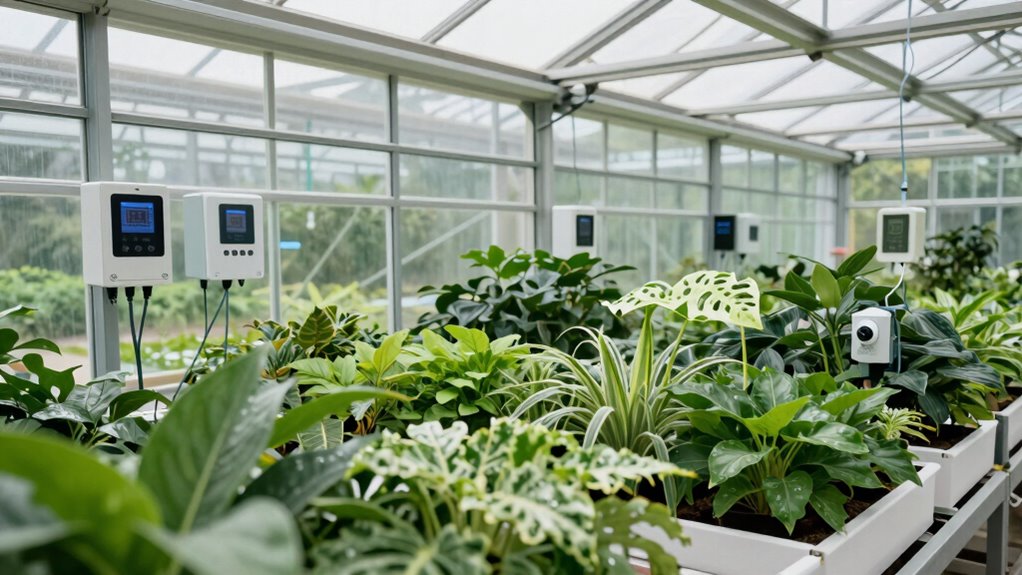
Smart ventilation control and automated climate monitoring can help you maintain ideal conditions with less effort. These systems respond quickly to changes, keeping temperature and humidity levels just right for your plants. Understanding how these features work can make a big difference in your greenhouse’s performance. Incorporating early warning signs detection can further optimize your system’s responsiveness and prevent issues before they arise. Using reliable DIY tools and safety tips can also ensure that your setup remains secure and effective as you make adjustments or upgrades. Additionally, implementing energy-saving tips inspired by home comfort strategies can enhance efficiency and reduce operational costs. Paying attention to plant-specific needs can improve overall plant health and productivity. Regularly checking your systems for home safety vulnerabilities can help prevent accidents and ensure your greenhouse remains a safe environment.
Smart Ventilation Control
Have you ever wondered how automated ventilation systems can optimize the environment inside your greenhouse? Smart ventilation control adjusts airflow based on real-time data, maintaining ideal conditions. Here’s what to focus on:
- Drone integration: Drones can monitor temperature and humidity, providing data that triggers ventilation adjustments.
- Sensor accuracy: Precise sensors guarantee the system responds correctly to environmental changes.
- Solar panel efficiency: Reliable power sources keep ventilation systems running smoothly without excessive energy costs.
- Automation responsiveness: Fast, seamless adjustments prevent hot spots and humidity buildup, promoting healthy plant growth.
Automated Climate Monitoring
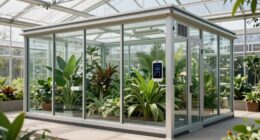
Automated climate monitoring systems continuously gather real-time data to keep your greenhouse environment perfect. They track temperature, humidity, light, and soil moisture, allowing you to respond quickly. This automation guarantees plants get the right amount of water and light, promoting healthy growth. It also helps with pest control by identifying conditions that favor pests early. You can integrate sensors with control systems to automate plant watering schedules and pest management strategies. Here’s a quick overview:
| Feature | Benefit |
|---|---|
| Temperature & Humidity | Maintains ideal conditions for plant health |
| Soil Moisture Sensors | Prevents over- or under-watering, saving water |
| Pest Detection | Alerts you to pest issues early for quick intervention |
| Automated Responses | Adjusts watering, ventilation, or pest control automatically |
Additionally, understanding the importance of privacy policy and user consent management can help ensure your automation system operates securely and respects your data preferences.
Features Worth Focusing On : and Those You Can Skip

When choosing a greenhouse, it’s vital to prioritize features that truly enhance your growing experience rather than get distracted by bells and whistles. Focus on elements that improve functionality and durability. Here are key features to think about:
- Ventilation Options – Proper airflow maintains ideal temperatures and humidity.
- Sturdy Frame Material – Look for rust-resistant aluminum or galvanized steel for longevity.
- Lighting Compatibility – Make sure it can support supplemental grow lights if needed.
- Decorative features and aesthetic design – While appealing, don’t let flashy designs distract from practical needs like insulation and structural integrity.
- Unplanned weather changes can lead to comical and unpredictable outcomes, so choosing a greenhouse with good weather resilience is essential. Unplanned weather changes
How to Compare Amazon Greenhouses Effectively
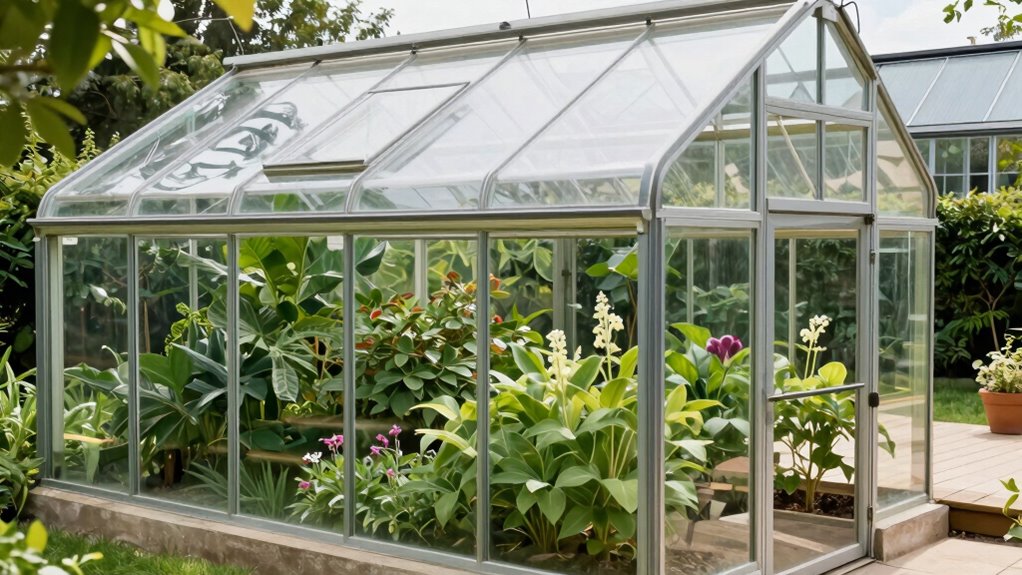
To compare Amazon greenhouses effectively, you need to focus on specific features and specifications that impact their performance and durability. Start by examining the materials used, such as frame strength and glazing type, which influence longevity and weather resistance. Next, consider pricing strategies; look for models that offer the best balance of quality and cost without unnecessary extras. Customer reviews are invaluable—read them carefully to gauge real-world performance, ease of assembly, and potential issues. Pay attention to recurring complaints or praises, as they reveal how well the greenhouse holds up over time. Avoid getting swayed solely by flashy listings or low prices. Instead, use a combination of key specs and genuine customer feedback to make an informed choice.
Final Tips for Choosing the Right Greenhouse

Choosing the right greenhouse involves more than just comparing specs and reading reviews; it requires aligning your purchase with your gardening goals and available space. To help, consider these final tips:
- Prioritize garden aesthetics to guarantee the greenhouse complements your outdoor space.
- Balance your budget considerations with essential features, avoiding overspending on non-essentials.
- Measure your available area carefully to pick a size that fits comfortably without crowding.
- Think about long-term maintenance, choosing materials and designs that are easy to clean and durable.
Frequently Asked Questions
What Is the Typical Lifespan of an Amazon Greenhouse?
The typical lifespan of an Amazon greenhouse varies, but you can expect seasonal durability and material longevity to play key roles. Usually, a well-maintained greenhouse made from quality materials lasts around 5 to 10 years. If you choose durable frames and weather-resistant plastics, you extend its lifespan. Regular maintenance, like cleaning and repairs, also helps guarantee your greenhouse remains functional and productive for many seasons.
Are Amazon Greenhouses Suitable for Extreme Weather Conditions?
Amazon greenhouses can handle some extreme weather, but their suitability depends on specific models. Look for UV resistance to protect against intense sunlight and wind resistance to withstand strong gusts. If you face harsh conditions regularly, choose a greenhouse with reinforced frames and durable materials. While they may manage moderate extremes, for severe weather, you might need additional reinforcements or a more heavy-duty structure.
How Easy Is It to Assemble an Amazon Greenhouse?
Assembling an Amazon greenhouse is generally straightforward, like piecing together a vintage puzzle. You’ll find the process manageable, even if assembly challenges arise occasionally. The design aesthetics often include user-friendly features, clear instructions, and sturdy components, making setup smoother. With basic tools and patience, you’ll have your greenhouse ready to grow in no time. Just follow the instructions carefully, and you’ll enjoy the satisfaction of a well-assembled space.
Do Amazon Greenhouses Come With a Warranty?
Yes, Amazon greenhouses typically come with a warranty, helping you manage installation challenges and ensuring peace of mind. Warranties usually cover defects and structural issues, but the length and coverage vary by model. When considering cost considerations, check the warranty details as it can save you money in the long run if repairs or replacements are needed, making your greenhouse investment more secure.
What Maintenance Is Required for Amazon Greenhouses?
You need to regularly check and clean your Amazon greenhouse to keep it in top shape. Maintain climate control by adjusting ventilation and heating systems, ensuring ideal conditions. Pest management is essential—inspect plants frequently and remove any pests promptly. Keep the glass or panels clean for maximum sunlight. Also, monitor for leaks or damage and repair promptly to prevent issues, ensuring your plants thrive all year round.
Conclusion
Choosing the right greenhouse on Amazon might seem overwhelming, but focusing on key materials, ventilation, lighting, and climate control makes it manageable. Don’t get caught up in every feature—prioritize what truly benefits your plants and space. Remember, a well-chosen greenhouse isn’t just about specs; it’s about creating a thriving environment. If something feels unnecessary now, it might be essential later as your gardening skills grow—so pick wisely and start simple.