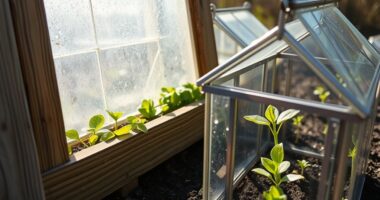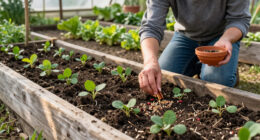
Before summer arrives, it’s essential to prepare your greenhouse shade to protect your plants from intense heat. Use shade fabric to block direct sunlight and reduce heat buildup, combined with proper ventilation like vents or fans to keep the air circulating. Consider adjustable shading options to adapt to weather changes and add misting or evaporative systems for extra cooling. Monitoring weather forecasts guarantees you can make timely adjustments, helping your plants flourish all season long. Keep going to learn more tips for summer success.

Get garden gear delivered free with Prime
- Fast, free delivery on millions of items
- Prime Video, Amazon Music and more included
- Member-only deals all year
Key Takeaways
- Choose appropriate shade fabric density to balance sunlight reduction and light needs for your plants.
- Combine shade cloth with proper ventilation to effectively manage heat buildup inside the greenhouse.
- Use adjustable shading options to control sunlight exposure during different times of day.
- Incorporate additional cooling methods like misting or evaporative systems for extra temperature regulation.
- Regularly monitor weather conditions and adapt shading and ventilation strategies proactively.
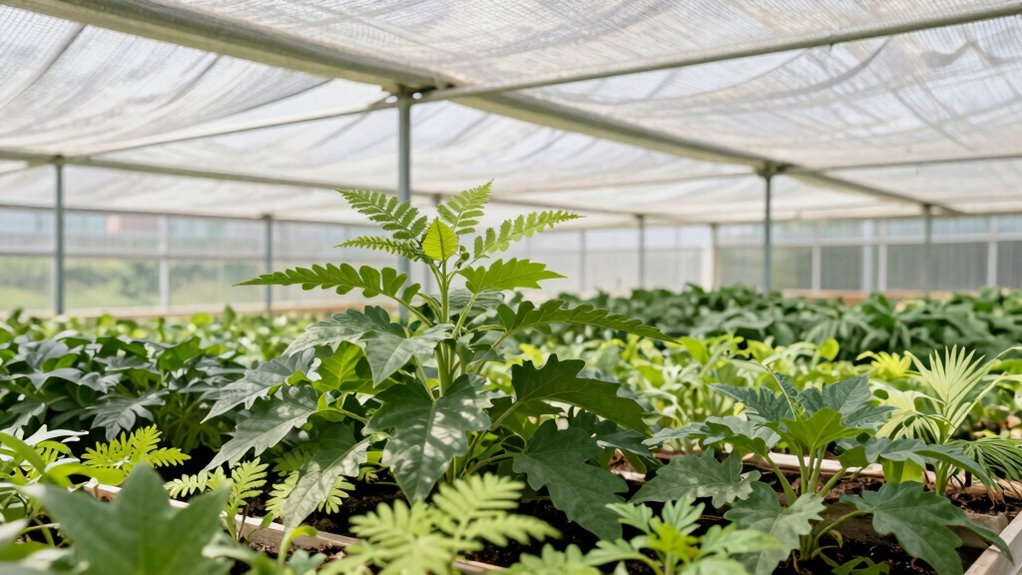
Are you prepared to protect your greenhouse plants from the intense summer heat? As temperatures rise, the risk of overheating and damaging your plants becomes a real concern. One of the best ways to manage this is by installing shade fabric, which acts as a barrier that reduces direct sunlight and keeps the internal temperature more manageable. Shade fabric comes in various densities, so it’s important to choose one that provides enough shade without overly limiting light essential for plant growth. By covering your greenhouse with the right shade fabric, you can considerably cut down on heat buildup and create a more controlled environment for your plants.
Using shade fabric helps control heat and creates a healthier environment for your greenhouse plants.
Beyond just installing shade fabric, it’s vital to understand cooling techniques that work in tandem to keep your greenhouse comfortable. Ventilation is key. Make sure your greenhouse has adequate vents or exhaust fans that can be opened during the hottest parts of the day. This allows hot air to escape and cooler air to circulate, preventing heat from accumulating inside. Combining proper ventilation with shade fabric can greatly lower internal temperatures and reduce stress on your plants.
In addition, you might consider using shade cloth that can be easily adjusted or moved as needed. This flexibility lets you control how much sunlight reaches your plants throughout different times of the day or weather conditions. For instance, during peak afternoon hours, you may want to deploy more shading, then lift it during cooler mornings or evenings. This dynamic approach ensures your plants get the light they need while avoiding the damage caused by excessive heat.
Another effective cooling technique involves misting or evaporative cooling systems. These methods directly lower the temperature around your plants, especially during the hottest days. When combined with shade fabric and proper ventilation, misting can create a cooling microclimate inside the greenhouse. Remember, though, to monitor humidity levels carefully, since too much moisture can lead to fungal issues. Proper air circulation can further enhance cooling efficiency and help prevent disease. Additionally, selecting appropriate cooling systems tailored to your greenhouse size can optimize temperature control and energy use.
Finally, keep an eye on weather forecasts and be prepared to adapt your shading and cooling methods accordingly. Summer weather can be unpredictable, with sudden heatwaves or cloudy days. Regularly inspecting your greenhouse and adjusting shading devices ensures your plants stay protected. Staying proactive with your shade fabric and cooling techniques before summer arrives will help maintain an ideal environment, preventing heat stress and promoting healthy, thriving plants all season long. Additionally, understanding indoor air quality can help optimize humidity levels and airflow, further supporting healthy plant growth during hot weather.
As an affiliate, we earn on qualifying purchases.
Frequently Asked Questions
How Does Shade Affect Different Types of Greenhouse Plants?
Shade greatly influences plant growth by controlling shade penetration, which affects how much light reaches your plants. For shade-loving plants, it helps prevent scorching and encourages healthy growth. Conversely, sun-loving plants need minimal shade to thrive. Adjusting shade levels ensures each plant type gets the right amount of light, promoting ideal development. Understanding these effects allows you to tailor your greenhouse environment for diverse plants, maximizing their health and productivity.
Can Shade Materials Be Reused After Summer?
Sure, you can reuse shade materials after summer, but only if you respect their shade durability. Don’t toss out the old shade like yesterday’s news; instead, embrace clever reuse techniques to extend its life. Just inspect for tears, fading, or sagging—then reinforce, clean, or repurpose. With a little effort, your shade can survive another season, proving that eco-friendly gardening isn’t just a myth, it’s a smart way to save!
What Are the Signs of Insufficient or Excessive Shading?
You’ll notice insufficient shading if your plants get scorched or if the greenhouse becomes too hot, signaling you need to adjust shade levels. Excessive shading causes leggy plants and poor growth, indicating too much shade. Proper shade maintenance helps prevent these issues and keeps shading costs manageable. Regularly check and tweak your shading to maintain peak light levels, ensuring your plants stay healthy without overspending on unnecessary shading.
How Does Shading Impact Greenhouse Humidity Levels?
Shading with shade cloths directly influences greenhouse humidity levels by reducing light and heat, which can lower evaporation rates and humidity. When you install shade cloths, you help control humidity, preventing excessive moisture that can lead to mold or disease. Proper shading guarantees a balanced environment, maintaining ideal humidity for plant health. Keep an eye on humidity control, and adjust shade cloths as needed to create the best growing conditions.
Are There Eco-Friendly Shading Options Available?
Like the wisdom of the ancient forests, eco-friendly shading options do exist. You can choose sustainable fabrics made from organic cotton or hemp, or opt for biodegradable films that break down naturally without harming the environment. These options help reduce your greenhouse’s carbon footprint while effectively managing heat and light. Embracing such environmentally conscious choices guarantees you support sustainability and protect nature’s delicate balance during those hot summer months.
Conclusion
As summer approaches, think of greenhouse shade as your garden’s shield, a gentle umbrella that guards delicate blooms from harsh rays. It’s not just about protection but about nurturing growth and harmony. With the right shade, you’re painting a picture of balance—where sunlight dances softly on leaves, and your plants thrive in a cozy, sheltered embrace. Embrace this shield, and watch your greenhouse become a sanctuary of vibrant life all season long.
Evergreen bestsellers Picks
bestsellers
As an affiliate, we earn on qualifying purchases.