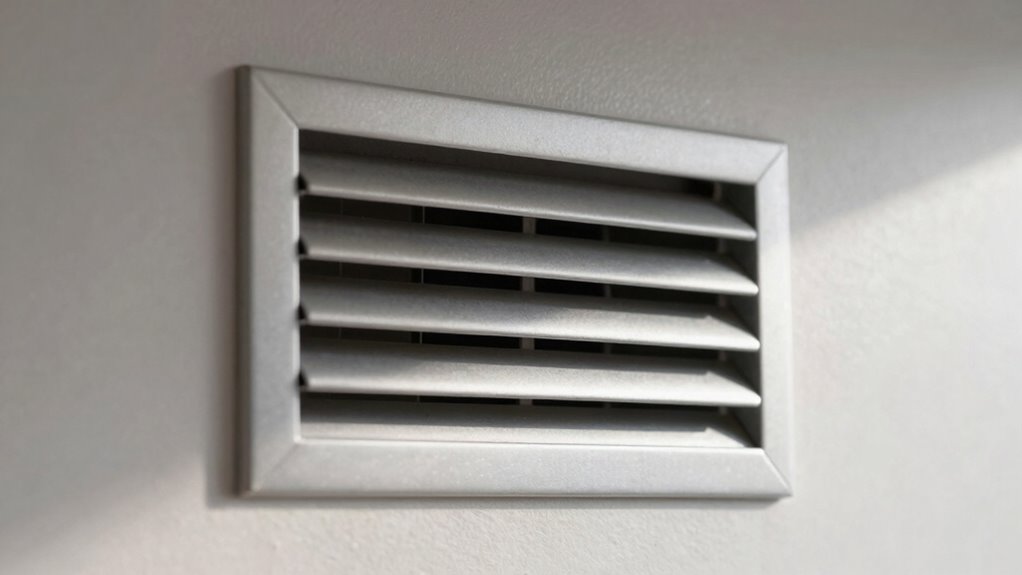

You’ll find that changing vent size impacts airflow and system efficiency more than adjusting temperature settings. Small vents restrict airflow, forcing your HVAC to work harder, while larger vents improve circulation and reduce strain. Properly sizing vents guarantees balanced pressure and consistent comfort. If you keep exploring, you’ll discover how professional adjustments and standards help your system run smoothly and save energy, making a noticeable difference in home comfort over just tweaking the thermostat.

Get garden gear delivered free with Prime
- Fast, free delivery on millions of items
- Prime Video, Amazon Music and more included
- Member-only deals all year
Key Takeaways
- Vent size impacts airflow resistance, which affects temperature regulation more directly than mere temperature changes.
- Larger or smaller vents alter airflow volume, influencing indoor temperature stability beyond just temperature adjustments.
- Proper vent sizing ensures balanced airflow, preventing temperature inconsistencies caused by pressure imbalances.
- Changes in vent size can improve or hinder HVAC efficiency, impacting comfort regardless of temperature settings.
- Vent modifications often aim to optimize airflow and pressure, which have a more significant effect than temperature alone.
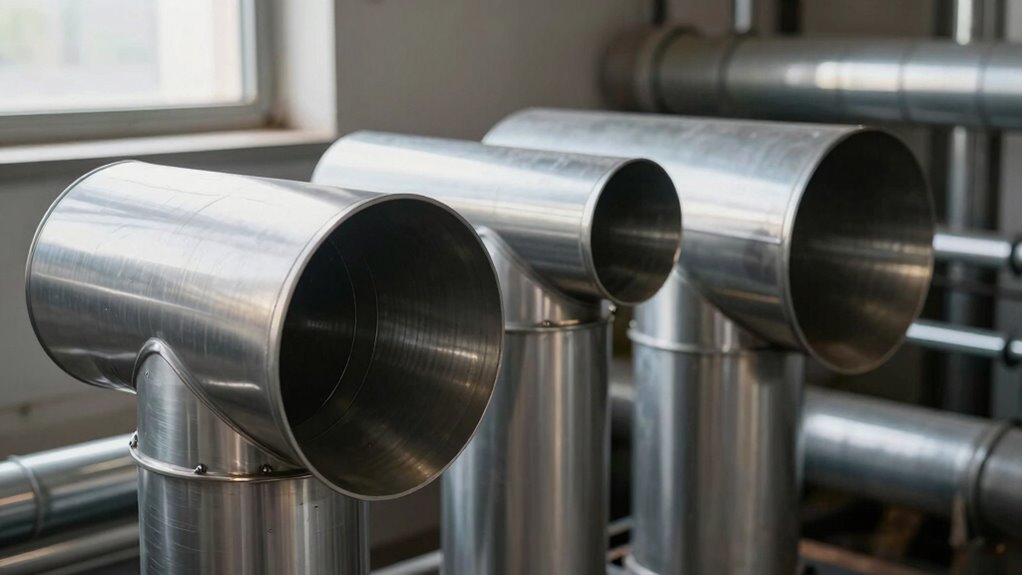
Have you ever wondered how changing vent sizes can impact your home’s airflow and efficiency? It’s more than just a matter of temperature; vent size plays a vital role in regulating how air moves throughout your space. When vents are too small, they restrict airflow, making your system work harder to circulate air effectively. Conversely, larger vents can improve airflow efficiency by reducing resistance, helping your heating and cooling systems operate more smoothly. This isn’t just guesswork—manufacturing standards for vent sizes are designed to maximize airflow, ensuring that each vent provides the right balance between air volume and pressure. These standards are rooted in engineering principles that consider the duct’s diameter, length, and the overall layout of your HVAC system. When vents are manufactured according to these standards, they promote consistent airflow, which results in better temperature regulation and energy savings. Proper vent sizing also helps prevent issues like pressure imbalances that can strain your system or cause uncomfortable drafts. Additionally, understanding how airflow dynamics influence overall system performance can help you make informed decisions about vent modifications.
Changing vent sizes can be driven by many factors, not just temperature fluctuations. If you notice uneven heating or cooling in different rooms, adjusting vent sizes might be necessary. Larger vents can boost airflow to areas that tend to be colder or warmer, helping balance the indoor climate. On the other hand, smaller vents might be suitable for rooms that require less air volume or where noise reduction is a priority. But it’s essential to remember that altering vent sizes isn’t just about cutting or expanding openings; it’s about understanding how those changes influence overall airflow efficiency. When you modify vent sizes without considering the manufacturing standards, you risk creating pressure imbalances that can strain your HVAC system or cause uneven temperatures. Proper analysis of your home’s HVAC system design can help ensure that any adjustments lead to optimal performance and comfort. Consulting with professionals can help ensure that any adjustments are aligned with vent sizing principles to optimize performance.
This is why professionals pay close attention to vent sizing during installation or upgrades. They analyze your home’s layout and ensure that the vent sizes align with the system’s design specifications. Properly sized vents help maintain ideal airflow, reduce energy consumption, and extend the lifespan of your HVAC equipment. It’s a delicate balance—too large, and you might create excessive airflow that causes noise or drafts; too small, and airflow becomes restricted, reducing comfort and efficiency. Ultimately, vent size changes are about more than temperature—they’re about achieving the best airflow efficiency possible, which hinges on adhering to strict manufacturing standards and understanding how each component interacts within your home’s heating and cooling system.
As an affiliate, we earn on qualifying purchases.
Frequently Asked Questions
How Does Humidity Affect Vent Size Adjustments?
Humidity levels directly affect vent size adjustments because high humidity can cause materials to expand, while low humidity may lead to contraction. You need to take into account vent material durability, as some materials are more prone to warping or degrading in varying humidity conditions. By monitoring humidity, you can make more accurate vent size adjustments, ensuring proper airflow and preventing damage caused by moisture fluctuations.
Can Vent Size Change Impact Indoor Air Quality?
Yes, changing vent size can impact indoor air quality. Larger or smaller vents alter airflow efficiency, which affects how well fresh air circulates and pollutants are removed. A well-designed vent guarantees proper air exchange, reducing indoor pollutants and maintaining a healthy environment. If vent size isn’t matched to your space, you might experience stale air or inadequate ventilation, so adjusting vent design carefully is crucial for ideal indoor air quality.
Are There Specific Tools Needed to Measure Vent Size?
You need specific vent measurement tools to get accurate results. A tape measure or a digital caliper helps you determine vent dimensions precisely, ensuring measurement accuracy. Using the right tools is essential because even small errors can lead to improper ventilation or airflow issues. Don’t rely on guesswork—invest in quality vent measurement tools to confidently assess vent sizes and maintain ideal indoor air quality.
How Often Should Vent Sizes Be Checked or Adjusted?
You should check your vent sizes during regular vent maintenance, ideally every six months, to guarantee ideal airflow consistency. Regular inspections help identify any blockages or size changes that could hinder airflow. Adjustments may be necessary if you notice uneven heating or cooling, increased energy bills, or airflow issues. Consistent vent maintenance keeps your system running efficiently, maintains proper airflow, and prevents larger problems down the line.
Does Vent Size Change Differ Between Heating and Cooling Seasons?
You might be surprised to learn that vent size consistency often varies more between heating and cooling seasons than within them. During winter, vents can shrink due to condensation, while in summer, increased airflow can cause them to expand. Seasonal ventilation needs change, making it essential to regularly check and adjust vent sizes to guarantee ideal airflow year-round. This helps maintain energy efficiency and indoor comfort regardless of the season.
Conclusion
Imagine your vent as a garden hose. When the water pressure changes, you might need to adjust the nozzle size to keep the flow steady. Similarly, vent sizes change more than temperature because they’re balancing unseen pressures and airflow, not just heat. Just like a hose adapts to deliver the right amount of water, your vent adjusts to maintain proper ventilation, ensuring your system runs smoothly no matter what the temperature whispers.
Halloween Picks
halloween
As an affiliate, we earn on qualifying purchases.