
You might think that floor space equals your total planting area, but that’s not the case. Floor space is just the ground covered by your garden, while growing space is the actual area available for your plants to develop—often larger due to vertical supports or stacking. Proper understanding helps you plan better and avoid overcrowding, ensuring healthy plants and higher yields. Keep exploring to discover how you can optimize your space effectively.

Get garden gear delivered free with Prime
- Fast, free delivery on millions of items
- Prime Video, Amazon Music and more included
- Member-only deals all year
Key Takeaways
- Floor space refers to the total ground area, while growing space is the actual area accessible for plant development.
- Vertical expansion allows plants to grow upward, increasing growth area without expanding floor space.
- Overcrowding on floor space can limit airflow and plant health, which vertical space helps mitigate.
- Recognizing the difference ensures efficient resource use and optimal plant placement.
- Proper space management maximizes planting capacity without needing additional ground area.
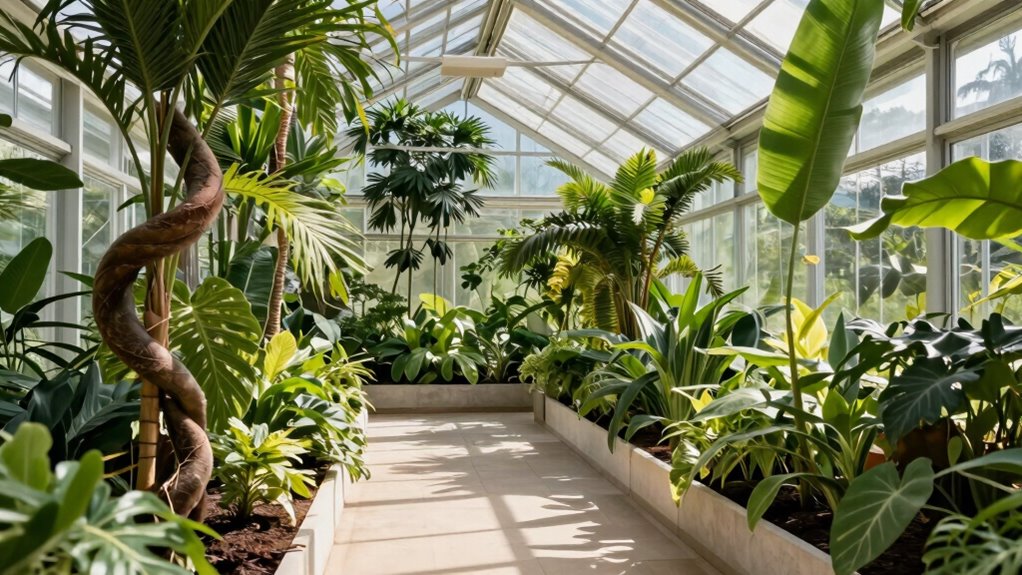
When planning your garden or crop setup, understanding the difference between floor space and growing space is essential for maximizing your yields. Floor space refers to the total ground area your garden or planting area covers, while growing space considers the actual area available for your plants to develop. Recognizing this distinction allows you to make smarter decisions about how to allocate your resources, especially when it comes to vertical expansion and efficient use of space.
You might think that increasing your floor space automatically means more plants, but that’s not always the case. Sometimes, your plants can grow upward rather than outward, creating more usable growing space without expanding your footprint. Vertical expansion is a powerful strategy to make the most of limited ground area. By stacking plants in tiers or utilizing trellises and shelving, you can multiply your growing capacity without sacrificing valuable floor space. This approach is especially useful in small gardens or indoor setups where horizontal space is at a premium. It allows you to focus your resource allocation—such as water, nutrients, and light—more effectively, ensuring each plant receives what it needs to thrive.
Understanding the difference between floor space and growing space also helps you avoid overcrowding. If you simply fill the ground area without considering vertical growth, you risk stunting your plants’ development or creating a crowded environment that hampers airflow and increases disease susceptibility. Instead, you should plan your garden layout to optimize both dimensions, using vertical expansion techniques to free up more ground for root growth and access. This way, you’re not just increasing your total planting area; you’re improving how plants utilize that area through smarter spatial organization. Proper space management is fundamental for achieving healthy, productive crops.
Optimize space by using vertical growth to prevent overcrowding and promote healthier plant development.
Additionally, knowing that floor space isn’t synonymous with growing space encourages you to prioritize plant selection and spacing strategies. For example, compact or bush-type plants can be grown more densely, but climbing or vining plants benefit from vertical structures that maximize their potential without crowding. By properly allocating resources—like installing vertical supports or harnessing sunlight through strategic positioning—you enhance your overall yield and health of your crops. Incorporating vertical growing techniques can significantly boost your garden’s productivity without expanding your physical footprint. Being mindful of how each plant interacts with its environment helps you optimize your plant spacing and overall layout for better results. Recognizing that some plants require different growth habits allows you to tailor your approach for maximum efficiency.
As an affiliate, we earn on qualifying purchases.
Frequently Asked Questions
How Is Floor Space Measured in Irregularly Shaped Rooms?
You measure floor space in irregularly shaped rooms using specific measurement techniques, such as dividing the room into manageable sections or using a grid method. When planning your plant layout, you’ll calculate the area of each section and then add them together. This approach guarantees accurate measurements, helping you optimize growing space effectively. Remember, precise measurement techniques are key for efficient use of your available floor space.
Why Does Growing Space Sometimes Expand Despite Unchanged Floor Space?
Growing space sometimes expands even if your floor space stays the same because plants grow taller or wider, increasing their overall area. As plant height and spread change, they can utilize available light more effectively, improving growth. Good light distribution encourages plants to grow upwards or outwards, making the most of the space. So, your growing space adapts with plant development, even if the physical floor space doesn’t change.
What Materials Affect the Actual Usable Growing Space?
Materials like reflective lighting surfaces and high-quality soil considerably affect your usable growing space. Efficient lighting maximizes light distribution, allowing you to utilize more of your space effectively. Good soil quality provides better plant health, enabling you to grow more within the same area. Using durable, space-optimized containers and smart shelving also helps you make the most of your available floor space, increasing your actual growing capacity without expanding your footprint.
How Does Vertical Growth Impact Perceived Growing Space?
Vertical growth through vertical stacking considerably impacts your perceived growing space by maximizing canopy expansion without increasing the footprint. As you stack plants or utilize trellises, you effectively expand your canopy upward, creating the illusion of a larger growing area. This method makes your space feel more abundant, boosting productivity while saving floor space. Vertical stacking allows for efficient use of limited areas, giving you more yield without needing extra ground area.
Can Floor Space Limitations Restrict Plant Growth Potential?
Floor space limitations can severely stifle your plant’s potential by restricting its height and overall health. When space is tight, plants struggle to reach their full plant height, and poor light distribution hampers growth. Limited floor space prevents you from expanding vertically or horizontally, which reduces your plants’ ability to thrive. To maximize growth, optimize light distribution and consider vertical cultivation, turning tight spaces into thriving, lush landscapes.
Conclusion
Understanding the difference between floor space and growing space helps you plan your garden more effectively. Think of your floor space as the empty canvas, waiting to be filled. Growing space, however, is the vibrant, lush garden that thrives within it. Just like a blank canvas becomes a masterpiece with careful brushstrokes, your empty area transforms into a flourishing oasis when you optimize your growing space. Recognize the contrast, and watch your garden flourish beyond just the floor beneath it.
Fall yard work Picks
leaf blowers
As an affiliate, we earn on qualifying purchases.