
TL;DR

Get garden gear delivered free — and shop member deals
- Fast, free delivery on millions of items
- Access to Prime Big Deal Days deals on October 6–7
- Prime Video, Amazon Music and more included
An Ideal Home gardening report recommends sowing five flowers in October for earlier or more established displays next year: poppies, cornflowers, ox-eye daisies, aquilegias and sweet peas. The advice comes from named horticultural experts, but results depend on local conditions, suitable varieties and how seedlings are protected over winter.
An Ideal Home gardening report recommends sowing five flowers in October—poppies, cornflowers, ox-eye daisies, aquilegias and sweet peas—to prepare for blooms next spring and summer. The advice, from horticultural specialists quoted by the publication, is aimed at gardeners seeking an earlier start, though success depends on the variety, soil and winter conditions.
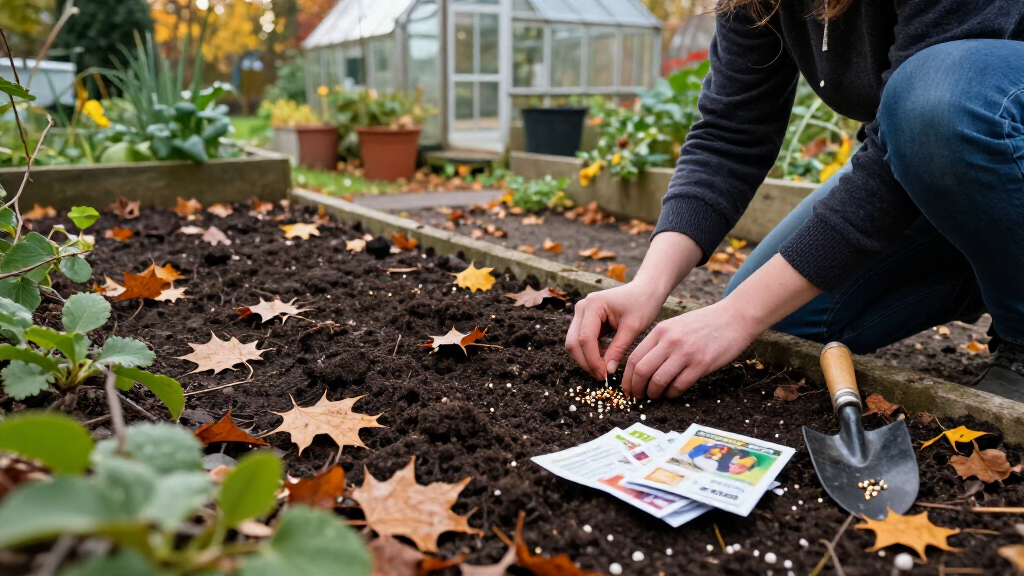
Several of the flowers can be sown directly in the ground, but the report gives different instructions for each, much like these flowers to plant in October. Poppies can be scattered outside or started in modules; Julian Palphramand, head of plants at British Garden Centres, says autumn-sown plants can survive winter and bloom earlier than spring sowings. For cornflowers, Thompson & Morgan expert Lance Russell advises choosing varieties suited to autumn sowing and avoiding soil that is waterlogged.
Ox-eye daisies need a free-draining site in full sun or partial shade, according to Lucie Bradley, gardening and greenhouse expert at Harvst Automatic Watering. Bradley says the seeds need light: after clearing weeds and raking the soil, scatter them on the surface, press them gently and water with a fine spray. The report describes the plants as low-maintenance and says they can reach about 90 centimetres.
Aquilegia, also known as columbine or granny’s bonnet, is recommended for direct sowing because the seeds need a period of cold to break dormancy. Sweet peas can be sown now but should be overwintered in a sheltered place, such as an unheated greenhouse or cold frame, says Will Williamson of Squire’s Garden Centres. The report does not establish that every variety or garden will produce flowers on the same schedule.
Preparing Beds for Earlier Blooms
October sowing gives gardeners a way to spread work beyond spring and, for some plants, give seedlings time to establish before the next growing season. Experts quoted in the report say autumn-sown poppies may flower earlier than spring-sown ones, while sweet peas can develop stronger roots ahead of spring. These are expert recommendations, not guaranteed outcomes; weather, drainage, light and the choice of seed all affect results.
The practical differences matter for planning. Poppies, cornflowers and ox-eye daisies can be sown outside under suitable conditions, while sweet peas need winter shelter. Aquilegia’s need for cold exposure is part of its germination process. Matching each seed to the stated method can help gardeners avoid treating all autumn sowing as the same task.
flower seeds for sowing in October
As an affiliate, we earn on qualifying purchases.
As an affiliate, we earn on qualifying purchases.
How the Five Sowings Differ
The report presents October as a late-season opportunity for hardy annuals and biennials, which can overwinter and flower earlier the following year. Its guidance is based on comments from plant and horticultural specialists; it is not a guarantee that October is ideal everywhere. Local climate and soil conditions may change whether direct sowing is appropriate.
The five choices offer different garden effects: poppies and cornflowers bring varied colour, ox-eye daisies add taller daisy-like flowers, aquilegia offers a range of shades and can self-seed, and sweet peas are grown for their scent as well as their flowers. The article also suggests basic seed-starting supplies, including compost and trays, for gardeners who choose modules rather than sowing directly.
“October is your last real chance to sow hardy annuals and biennials, so they overwinter and flower early next year.”
— Julian Palphramand, head of plants at British Garden Centres
Results Depend on Local Conditions
The report does not specify a region-wide planting calendar or give germination rates, so it does not show how reliably each flower will establish in different climates. The phrase “ideal time” reflects the quoted expert advice, not a universal date for every garden. Frost, rainfall, soil drainage and seed variety may affect the outcome, and the source does not provide detailed care instructions for every stage of winter growth.
It is also unclear whether the suggested seed varieties and listed retail prices remain available at the same cost. The prices are snapshots in the source article, not current price checks. Gardeners should read each seed packet for variety-specific sowing guidance and adapt to local conditions.
Sowing Now and Winter Care
Gardeners following the advice can check seed packets, prepare a weed-free site with suitable drainage and sow the varieties that fit their space. For ox-eye daisies, keep seeds exposed to light at the surface; for sweet peas, plan sheltered overwintering in a cold frame or unheated greenhouse. The report’s guidance points to spring and summer flowering as the next stage, but timing will vary.
There is no further event or formal follow-up announced. The practical next step is to monitor the sowings through winter and consult packet instructions or local gardening advice if conditions are unusually wet or cold.
Key Questions
Which flowers does the report recommend sowing in October?
It names poppies, cornflowers, ox-eye daisies, aquilegias and sweet peas. The appropriate sowing method differs by flower.
Can all five flowers be sown directly outdoors?
No single method is given for all five. The report says poppies and cornflowers can be direct-sown, gives surface-sowing instructions for ox-eye daisies, and recommends direct sowing aquilegia. Sweet peas should be overwintered somewhere sheltered.
Why sow aquilegia in October?
Harvst expert Lucie Bradley says aquilegia seeds need a period of stratification, or cold exposure, to break dormancy. The report recommends October direct sowing for that reason.
How should sweet peas be kept over winter?
Squire’s Garden Centres expert Will Williamson recommends a sheltered spot such as an unheated greenhouse or cold frame. The report says this can prepare plants for earlier flowers, but does not promise a particular flowering date.
Source: rss
Halloween Picks
halloween
As an affiliate, we earn on qualifying purchases.