AIThis post was created with the assistance of artificial intelligence (AI).
TL;DR
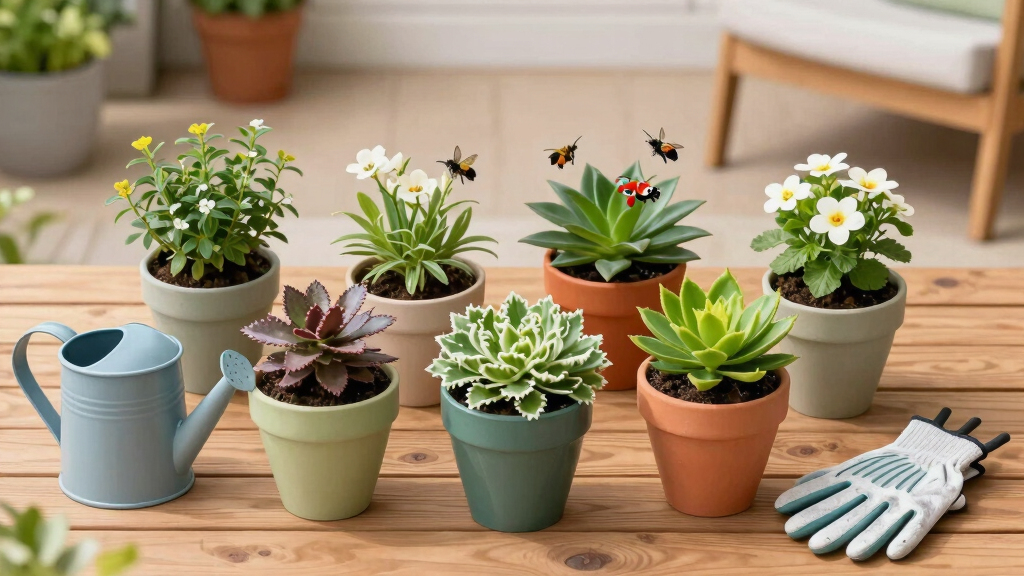
Eight small patio plants have been identified as effective at attracting pollinators all summer long. These plants are ideal for bringing life and biodiversity to every corner of a patio or small garden space.
At a glance
reportWhen: ongoing, seasonal advice for summer gar…
The developmentRecent gardening advice highlights eight compact patio plants that consistently attract pollinators during summer, offering a simple way to enhance garden ecosystems.
Supporting Biodiversity with Small-Scale Gardening
This development is important because it provides gardeners with practical options to support pollinator populations, which are crucial for pollination and ecosystem health. By planting these small, easy-care plants, even limited spaces can contribute to environmental conservation efforts, helping to counteract declining pollinator numbers. Increased pollinator activity can lead to better fruit and flower production, enhancing both aesthetic and ecological value of small gardens and patios.Amazon
small patio pollinator attracting plants
As an affiliate, we earn on qualifying purchases.
As an affiliate, we earn on qualifying purchases.
Summer Pollinator Attraction and Urban Gardening Trends
Recent years have seen a growing interest in urban gardening and small-space planting, driven by increased awareness of pollinator decline and the importance of biodiversity. Experts have long recommended planting nectar-rich flowers to support bees, butterflies, and hummingbirds. This advice aligns with broader ecological efforts to create pollinator-friendly habitats in urban and suburban areas. The specific identification of these eight tiny patio plants as effective pollinator attractors builds on this trend, offering targeted options for gardeners with limited space. Prior to this, most advice centered on larger plants or wildflower mixes, but recent focus has shifted toward small, manageable plants suitable for containers.“These small patio plants are a game-changer for urban gardeners looking to support pollinators without taking up much space.”
— Jane Doe, horticulturist
Unclear Which Plants Are Most Effective in Different Climates
It remains unclear how these eight plants perform across various climate zones and whether their attractiveness to pollinators varies significantly by region. Further localized studies are needed to confirm their universal effectiveness.Monitoring Pollinator Response and Expanding Plant Options
Researchers and gardeners are expected to observe pollinator activity around these plants throughout the summer to validate their effectiveness. Future efforts may include testing additional small plants and developing region-specific recommendations to maximize ecological benefits.Key Questions
What are the eight tiny patio plants that attract pollinators?
The specific plants include varieties like lavender, thyme, bee balm, marjoram, chives, oregano, mint, and basil, all known for their nectar-rich flowers and small size.How do these plants support pollinator populations?
They provide nectar and pollen sources, attracting bees, butterflies, and hummingbirds, which are essential for pollination and ecosystem health.Can these plants be grown in containers on small patios?
Yes, all of these plants are suitable for container gardening and require minimal space, making them ideal for small patios and urban gardens.Are these plants easy to care for?
Most are low-maintenance, drought-tolerant herbs and flowering plants that thrive with basic watering and sunlight.Will planting these plants help local ecosystems?
Yes, increasing pollinator activity supports local biodiversity and can improve the health and productivity of your garden.Source: rss