TL;DR

Get garden gear delivered free — and shop member deals
- Fast, free delivery on millions of items
- Access to Prime Big Deal Days deals on October 6–7
- Prime Video, Amazon Music and more included
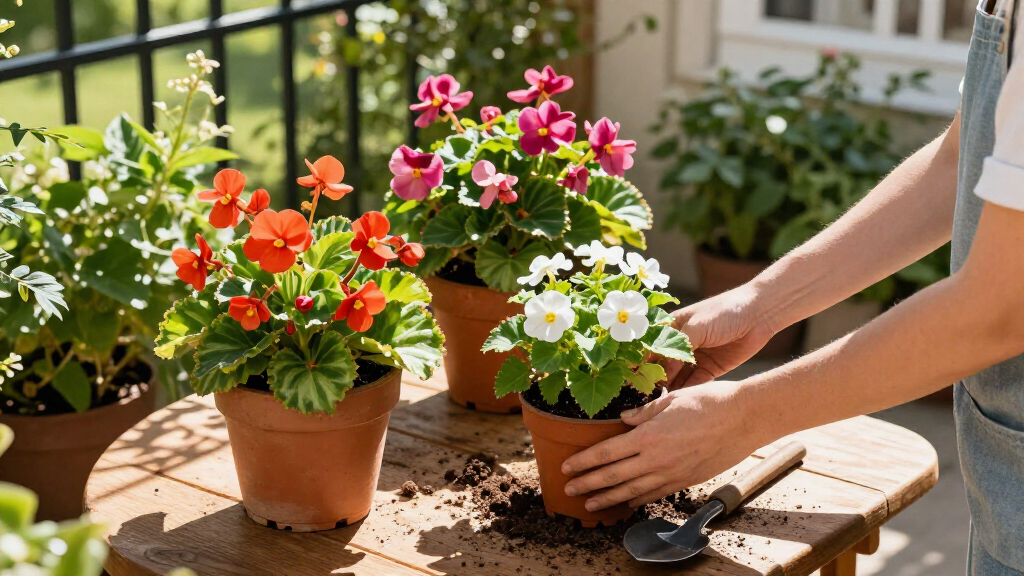
Seven plant species are identified as flowering almost year-round, offering continuous blooms. This challenges common assumptions about seasonal flowering and highlights options for gardeners seeking constant color.
Seven plant species have been identified as capable of flowering almost continuously throughout the year, according to recent gardening reports. This challenges the common belief that most plants have limited blooming periods and offers new options for gardeners seeking constant color and interest in their landscapes.
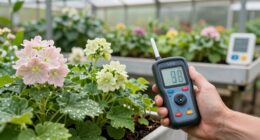
The seven plants highlighted include the Hibiscus rosa-sinensis (hibiscus), Daylilies (Hemerocallis), Lavender, Sedum, Coreopsis, Geraniums, and Ice Plant (Delosperma). Experts note that these species can produce blooms across multiple seasons under suitable conditions, especially in warmer climates or with proper care.
According to horticulturist Dr. Lisa Martinez, these plants are considered ‘prolific bloomers’ because they can flower repeatedly or continuously, unlike many plants that have a single blooming period. She emphasizes that local climate, soil quality, and maintenance influence their flowering patterns.
While some of these plants are perennial in warmer zones, others are annuals or require specific conditions to flower year-round. Gardeners are advised to select varieties suited to their climate zones to maximize blooming potential.
Why Continuous Blooming Plants Expand Garden Possibilities
This discovery matters because it offers gardeners the chance to maintain vibrant gardens with minimal seasonal gaps. Year-round flowering plants can reduce the need for replanting and seasonal redesigns, providing consistent visual interest and pollinator support. It also broadens the scope for landscape design, especially in regions with mild winters or controlled environments.
year-round flowering plants for garden
As an affiliate, we earn on qualifying purchases.
As an affiliate, we earn on qualifying purchases.
Historical and Regional Factors in Flowering Seasons
Traditionally, most plants are known for their specific blooming seasons, often limited to spring or summer. However, recent horticultural advancements and plant breeding have expanded the flowering capabilities of certain species. In warmer regions like the South or Southwest U.S., some plants naturally bloom longer, while in cooler zones, gardeners can manipulate conditions to extend flowering periods.
Previous studies and gardening guides have highlighted certain ‘long-blooming’ plants, but the recent focus on these seven species underscores their potential for nearly continuous flowering, especially with proper care and climate considerations.
“These plants, under the right conditions, can flower repeatedly or nearly year-round, offering gardeners a level of continuous color that was previously thought impossible for many species.”
— Dr. Lisa Martinez
Limitations and Conditions for Year-Round Flowering
It is not yet fully clear how these plants perform in all climate zones or under different maintenance regimes. Some species may require specific conditions, such as controlled watering, fertilization, or protection from cold, to flower continuously. There is also ongoing research into whether newer cultivars can reliably produce year-round blooms in diverse environments.
Research and Cultivation Strategies for Continuous Blooms
Future efforts will focus on breeding and selecting cultivars that can reliably flower year-round across various climates. Gardeners are encouraged to experiment with these species, adjusting care routines to optimize flowering. Additionally, horticultural research may develop new varieties specifically tailored for continuous blooming in different regions.
Key Questions
Can any plant flower year-round?
Most plants have specific blooming seasons, but some species, like those listed, can flower nearly year-round under the right conditions.
What conditions are necessary for these plants to bloom continuously?
Optimal temperature, adequate sunlight, proper watering, and soil nutrients are key. Some may also require protection from cold or seasonal adjustments.
Are these plants suitable for all climate zones?
Not all; many are best suited for warmer or milder climates. Gardeners should select varieties compatible with their local conditions.
Do these plants need special care to bloom year-round?
Yes, maintaining appropriate watering, fertilization, and protection from extreme weather can help promote continuous flowering.
Are there new breeding efforts to develop more year-round bloomers?
Yes, horticultural research is ongoing to breed cultivars capable of sustained flowering in a wider range of environments.
Source: rss
Fall yard work Picks
leaf blowers
As an affiliate, we earn on qualifying purchases.