TL;DR

Get garden gear delivered free with Prime
- Fast, free delivery on millions of items
- Prime Video, Amazon Music and more included
- Member-only deals all year
Many tropical houseplants grow more slowly in winter because shorter days reduce the light available for photosynthesis. That slowdown is not necessarily dormancy: some plants stop growing because conditions are unsuitable, while others have an internal rest period. Care should match the plant’s condition, especially when adjusting water and fertilizer.
A November 8 report from Laidback Gardener says many houseplants do not need a winter rest imposed by their owners: reduced growth is often a response to shorter days and lower light, rather than a true seasonal dormancy. The distinction matters because watering, light and fertilizer should reflect what a particular plant is doing, not a blanket rule to force it into cold or drought.
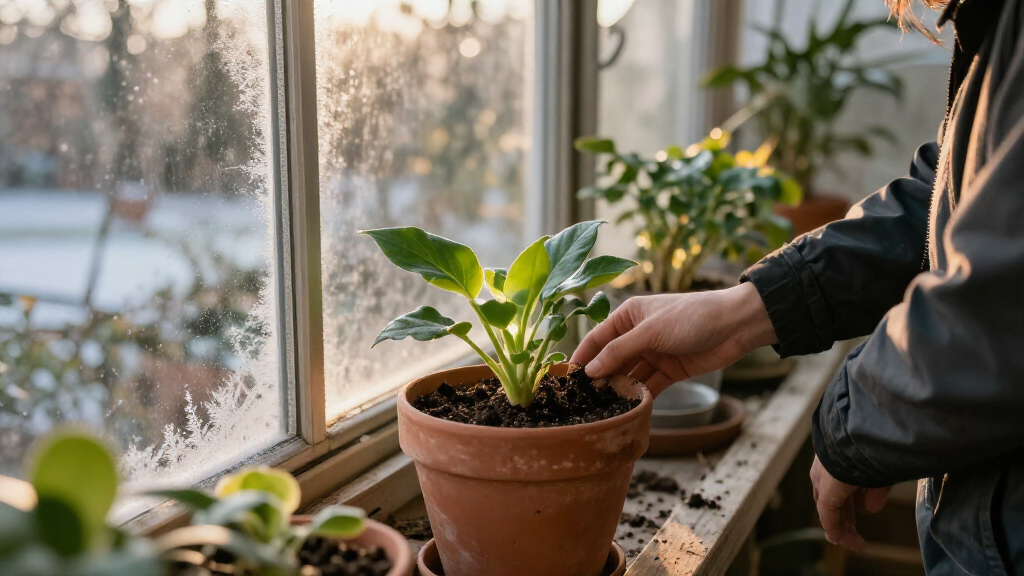
At northern latitudes, winter brings shorter days and less intense natural light, so winter plant grow lights can help indoor plants get adequate illumination. With less light for photosynthesis, a tropical plant may have less energy for producing leaves, stems and roots. Growth can become very slow, but the plant remains active: it continues to respire and can photosynthesize when conditions permit. The report describes this as slower growth, not dormancy. Pothos and monstera are examples that may slow down when light is limited, yet can keep growing with adequate lighting.
A more pronounced halt can be quiescence, also called ecodormancy. In this state, an environmental constraint—such as insufficient light, unsuitable temperature or lack of water—temporarily prevents growth. The plant remains alive and can resume growing when conditions improve. Tropical hibiscus may respond to indoor changes by shedding many leaves, particularly after a move from outdoors brings lower light and humidity; learn when to bring houseplants inside and how to help them adjust. The report says it can still grow, and even flower, through winter under good conditions. Bougainvillea kept cool may also stop growing and lose some leaves.
A separate process, endodormancy, is driven by internal physiological inhibition. The report says that even when light, water and warmth are adequate, some plant organs may remain unable to resume growth until internal mechanisms change. Depending on the species, that change may require a period of cold or other physiological processes. The source excerpt describes this mechanism but does not provide a complete species-by-species guide.
Winter Care Depends on the Cause
Recognizing whether a plant is merely growing slowly or has stopped because of poor conditions can help prevent avoidable stress. A plant using less water will leave its potting mix moist for longer; continuing a summer watering schedule can raise the risk of root rot. The report advises reducing watering to reflect actual use while avoiding complete drying for species that cannot tolerate it.
The same principle applies to feeding and light. Heavy fertilizing is not useful when a plant is barely growing, according to the report. If a hibiscus has stopped because it lacks light, moving it nearer a bright window or adding a grow light may help. But a bougainvillea deliberately kept in a cool room does not necessarily need to be pushed into growth. The practical point is to respond to the plant and its conditions rather than treating every winter slowdown as a problem.
Products Worth Considering

Orbit B-hyve Smart Indoor/Outdoor 12-Zone Sprinkler Controller

Orbit B-hyve XR 16-Zone Indoor/Outdoor Smart Sprinkler Controller

EGO Power+ SNT2420 24-Inch Two-Stage Self-Propelled Snow Blower (Battery and Charger Not Included)
As an affiliate, we earn on qualifying purchases.
Three Different Winter Responses
The report distinguishes slower growth, quiescence and endodormancy, terms that are sometimes blurred in everyday gardening advice. Slower growth means a plant continues its activity at a reduced rate. Quiescence describes growth held back by outside conditions; improvement in those conditions can allow growth to restart. Endodormancy refers to an internal block that must change before growth resumes.
Those processes can be difficult to tell apart just by looking at a houseplant. Seasonal changes in light and temperature often coincide with a plant’s move indoors, especially for specimens that spent summer outside. A change in humidity can add to the stress. The report’s central distinction is that the word “rest” is a broad horticultural description, not a single physiological state shared by all indoor plants.
““The most common phenomenon among tropical plants grown indoors is simply a slowdown in growth.””
— Laidback Gardener
Signs Alone May Not Explain
The report says it is not always easy to distinguish slower growth from quiescence by looking at a plant. Leaf loss, for example, may accompany a change in conditions, but the source does not present it as proof of one specific physiological state. It also does not give a diagnostic checklist or detailed care instructions for every species.
How much water or light an individual plant needs depends on its species and growing conditions. The excerpt does not specify thresholds for temperature, watering intervals or the length of any required cold period for endodormancy. Readers should not infer that every plant needs cold exposure or that a general winter schedule fits all houseplants.
Watch Growth and Potting Mix
For now, the report’s practical guidance is to observe whether growth continues and adjust care to the conditions: provide suitable light, water less often when the plant uses less water, and avoid heavy fertilizing while growth is minimal. If a plant has stopped growing, consider whether low light, temperature or water availability may be holding it back before trying to force new growth.
The report offers no new research timetable or announced follow-up. The next useful step for growers is species-specific care guidance, particularly where a plant’s response or dormancy requirements are uncertain. Until then, a winter slowdown alone is not a reason to impose drought or cold.
Key Questions
Do houseplants need to rest in winter?
Not necessarily. Many tropical houseplants simply grow more slowly because winter days provide less light. The report cautions against imposing cold or drought to induce dormancy without a species-specific reason.
What is the difference between slower growth and quiescence?
With slower growth, the plant continues growing at a reduced rate. In quiescence, an environmental condition temporarily prevents growth, which may resume when conditions improve.
Should I water less in winter?
Often, yes, if the plant is using less water and its potting mix is taking longer to dry. The report advises reducing watering to match use, while avoiding complete drying for plants that do not tolerate it.
Should I fertilize a houseplant that has stopped growing?
The report says there is no need to fertilize a plant that has stopped growing, and advises against heavy feeding when growth is minimal.
Can a tropical plant grow or flower indoors in winter?
It can, if conditions are suitable. The report says tropical hibiscus may continue growing and flowering through winter with good conditions, though it may shed leaves after a change in light and humidity.
Source: laidbackgardener.blog