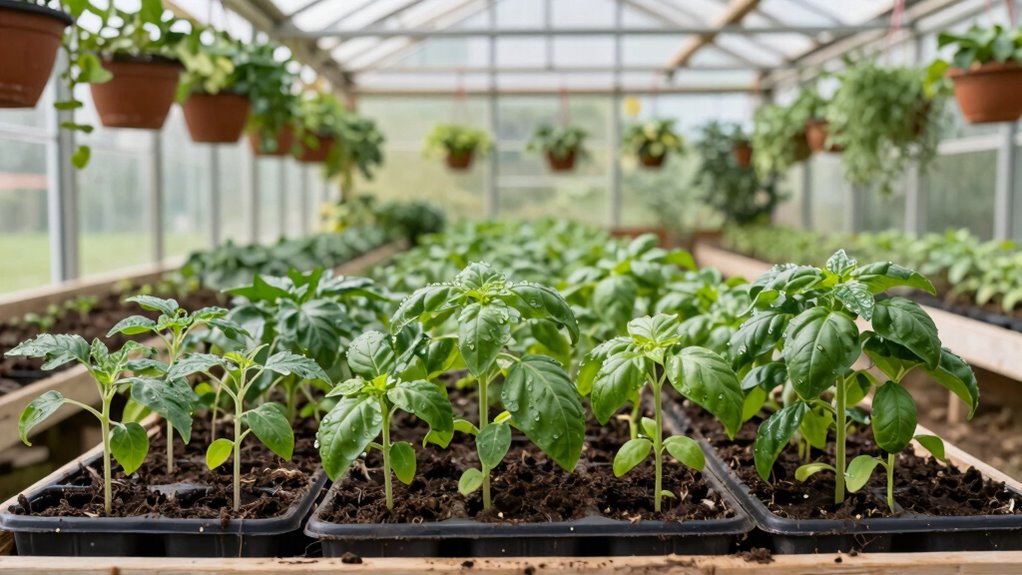
When outdoor beds slow down, you can keep growing greens like lettuce, spinach, and arugula indoors, along with herbs such as basil, cilantro, and parsley. Use your greenhouse to start tender vegetables and flowers that won’t survive outside in winter. Supplement natural light with grow lights, maintain proper temperature, and control humidity to extend your growing season. Want more ideas? Keep exploring how to maximize your greenhouse’s potential all year round.

Get garden gear delivered free — and shop member deals
- Fast, free delivery on millions of items
- Access to Prime Big Deal Days deals on October 6–7
- Prime Video, Amazon Music and more included
Key Takeaways
- Grow leafy greens like lettuce, spinach, and arugula for continuous harvest during slower outdoor growing periods.
- Cultivate herbs such as basil, cilantro, and parsley indoors to extend their growing season.
- Start tender vegetables and flowers indoors to prepare for outdoor planting in spring.
- Use grow lights to supplement natural sunlight and support healthy plant development.
- Experiment with new plant varieties or propagate plants for future outdoor use.
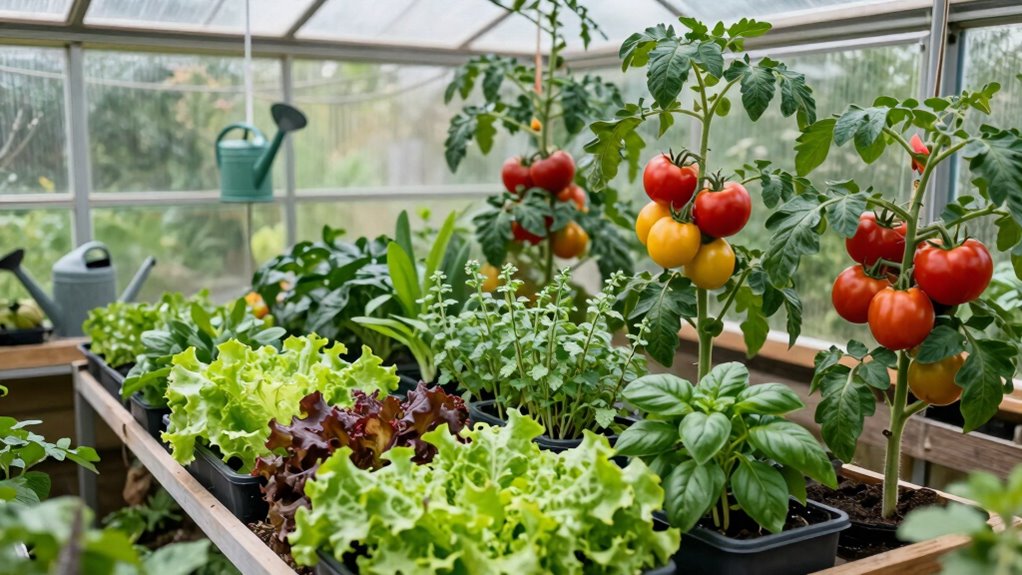
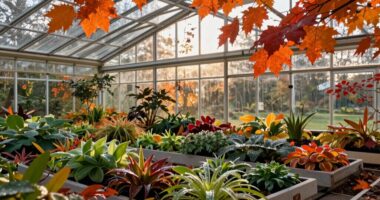
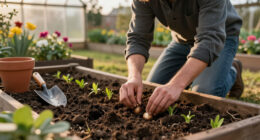
As outdoor beds slow down for the season, your greenhouse becomes an essential space for continuing your gardening efforts. It’s the perfect place to keep your green thumb active, even when the weather isn’t cooperating outside. During this time, you can focus on indoor propagation, starting new plants from cuttings or seeds, and maintaining a steady supply of fresh greens and herbs. Using your greenhouse for indoor propagation allows you to extend your growing season, giving your plants a warm, protected environment to flourish. It’s also an ideal setting to experiment with new varieties or to give tender plants a head start before transplanting them outdoors next year.
While you’re busy with indoor propagation, it’s important to stay vigilant about greenhouse pest control. Pests can quickly become a problem in the warm, humid environment of a greenhouse, especially during the off-season when outdoor natural controls are less effective. Regular inspections and preventive measures help keep pests at bay. You might use biological controls like beneficial insects, or physical barriers such as insect screens, to minimize invasions. Maintaining cleanliness—removing dead plant material, disinfecting tools, and controlling humidity—also reduces pest habitats. If you notice any signs of pests, address the issue immediately to prevent an outbreak that could damage your plants or spread to other parts of your garden. Proper pest management ensures your greenhouse remains a healthy environment for your plants. Incorporating integrated pest management strategies can further enhance your efforts by combining multiple control methods for sustainable pest suppression.
In addition to pest control, your greenhouse is the perfect spot to grow plants that need a longer or more controlled season. Leafy greens like lettuce, spinach, and arugula thrive in the cooler months, and you can extend their harvest well into winter. Herbs such as basil, cilantro, and parsley also do well indoors, especially when you’re actively managing indoor propagation. Using grow lights alongside natural sunlight ensures your plants get enough light for healthy growth. This not only helps with plant development but also reduces pest habitats by keeping the environment clean and less inviting for pests. This way, you keep a fresh supply of culinary herbs handy, even when outdoor beds are resting. Additionally, maintaining proper ventilation in your greenhouse helps regulate humidity levels, further discouraging pests and disease.
You can also experiment with tender vegetables and flowering plants that wouldn’t survive the winter outside. This not only keeps your gardening skills sharp but also prepares your garden for the upcoming season. With proper management of indoor propagation and consistent greenhouse pest control, your greenhouse becomes a productive haven through the slower months. It’s a place where your passion for gardening continues uninterrupted, allowing you to enjoy fresh produce and beautiful blooms year-round.
LED grow lights for indoor plants
As an affiliate, we earn on qualifying purchases.
As an affiliate, we earn on qualifying purchases.
Frequently Asked Questions
Can I Grow Tropical Plants Year-Round in a Greenhouse?
Yes, you can grow tropical plants year-round in a greenhouse. To do so, focus on proper tropical plant care by maintaining consistent warmth and humidity. Use greenhouse temperature control to keep conditions ideal, preventing cold drafts and temperature swings. Regular watering, appropriate lighting, and monitoring humidity levels will help your tropical plants thrive throughout the year, allowing you to enjoy lush, exotic greenery regardless of outdoor weather.
How Do I Control Pests in a Greenhouse During Winter?
To control pests during winter, you should actively monitor your greenhouse regularly for signs of trouble. Use pest monitoring techniques to catch issues early, and apply natural repellents like neem oil or garlic spray to discourage pests without chemicals. Keep the environment clean, maintain proper ventilation, and remove infected plants promptly. These proactive practices help protect your greenhouse crops effectively, ensuring healthy plants all winter long.
What Are the Best Soil Amendments for Greenhouse Vegetables?
You should focus on soil amendments that boost soil health, such as compost, well-aged manure, and organic matter. These amendment options improve nutrient content, enhance drainage, and increase microbial activity, creating ideal conditions for your greenhouse vegetables. Regularly testing your soil helps you choose the right amendments, ensuring your plants thrive even when outdoor beds slow down. Keep your soil healthy for consistent, productive growth all season long.
How Much Ventilation Is Needed for Greenhouse Plant Health?
You need adequate ventilation to maintain healthy greenhouse plants. Proper air circulation prevents humidity buildup, which can cause mold and pests. Aim for continuous, gentle airflow by opening vents or using fans, especially during warm, humid days. Managing humidity effectively through good ventilation helps regulate temperature and keeps plants healthy. Regularly monitor humidity levels and adjust ventilation to guarantee ideal growing conditions and prevent issues like fungal diseases.
Can I Grow Root Vegetables Successfully in a Greenhouse?
You can definitely grow root vegetables successfully in your greenhouse. Just remember, it’s a different ball game than outdoor planting. Choose root crop varieties like carrots, beets, or radishes, and guarantee you soil sterilization beforehand to prevent diseases. Keep the soil loose and well-drained, and provide consistent moisture. With the right setup, you’ll harvest fresh, crisp roots all year round, proving that patience pays off.
Conclusion
As outdoor beds settle into slumber, your greenhouse becomes a vibrant sanctuary, bursting with life like a secret garden in full bloom. Here, you can nurture tender seedlings and exotic plants, painting your space with colors and aromas that chase away the winter blues. Think of your greenhouse as a cozy nest, where patience and care turn the quiet lull of the season into a symphony of growth, ready to burst forth when spring arrives.
Fall yard work Picks
leaf blowers
As an affiliate, we earn on qualifying purchases.