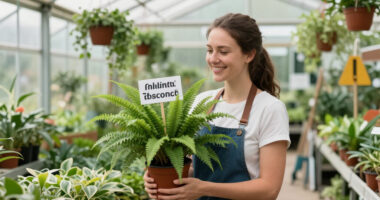

To reduce heat stress on your plants during summer, guarantee proper airflow by ventilating greenhouses and pruning overgrown branches. Regularly aerate your soil to improve oxygen flow and incorporate organic matter that retains moisture. Water early in the day to minimize evaporation, and avoid over- or underwatering. Keep an eye out for pests, using natural repellents and beneficial insects to maintain plant health. Stay tuned to discover more tips for keeping your garden resilient all season long.

Get garden gear delivered free with Prime
- Fast, free delivery on millions of items
- Prime Video, Amazon Music and more included
- Member-only deals all year
Key Takeaways
- Ensure proper ventilation in greenhouses and potted plants to prevent fungal diseases and reduce heat stress.
- Prune overgrown branches to improve airflow and lower humidity around plants.
- Remove debris and dead plant material to reduce pest habitats and promote air circulation.
- Regularly aerate soil to improve oxygen flow and reduce pest breeding sites.
- Maintain consistent watering and monitor soil moisture to prevent stress caused by drought or overwatering.
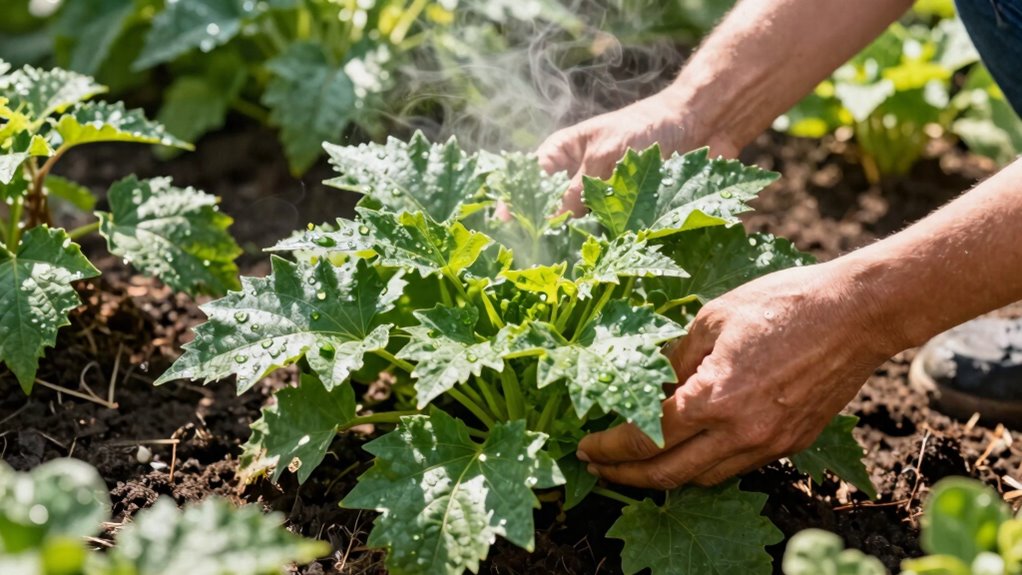
Summer can be a whirlwind of activity and heat, making it easy to feel overwhelmed or drained. Your plants, though, can sense that stress too. That’s where a well-planned summer venting routine comes in. By giving your greenery some breathing room, you help reduce their stress and boost their resilience. It’s all about encouraging healthy soil aeration and effective pest control, which keep your plants thriving despite the summer’s challenges.
Start by inspecting your garden regularly. Look for compacted soil, which prevents roots from accessing essential nutrients and water. Soil aeration becomes indispensable here. If the soil feels dense, gently loosen it with a garden fork or aerator. This guarantees oxygen can reach the roots, promoting healthy growth and helping plants recover from the summer heat. Good soil aeration also discourages pests that thrive in damp, stagnant environments, making pest control easier and more effective. Regular monitoring helps detect issues early and maintain a balanced ecosystem. Incorporating soil health practices into your routine can significantly enhance your garden’s resilience. Additionally, ensuring the soil has adequate organic matter can improve its structure and water retention, further supporting plant health.
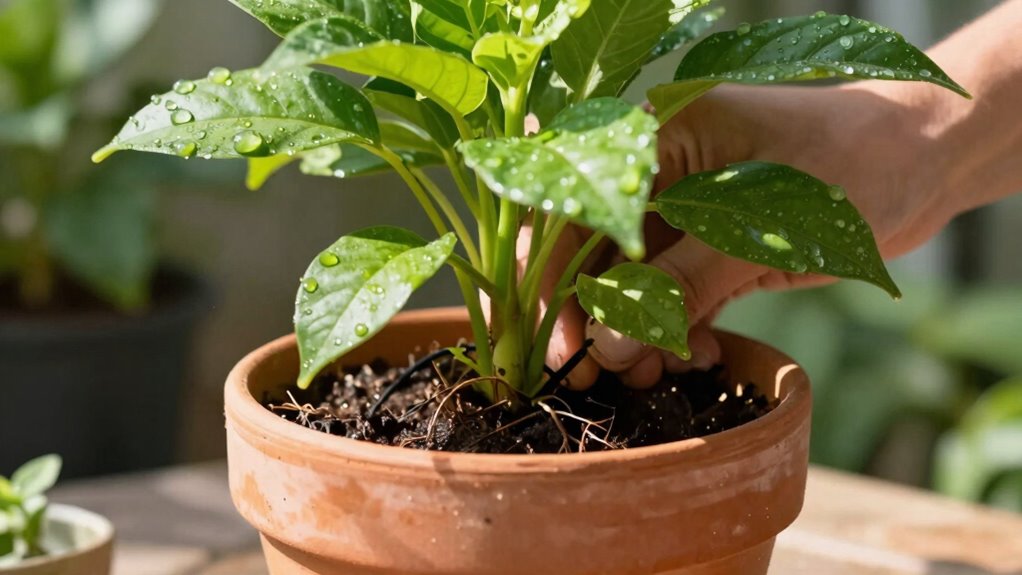
Next, consider your watering routine. Overwatering can suffocate roots, leading to rot and inviting pests like fungus gnats. Underwatering, on the other hand, stresses plants and hampers their ability to fend off pests naturally. Water early in the morning or late in the afternoon to minimize evaporation and keep moisture levels consistent. Well-moistened soil supports root health and reduces the likelihood of pest infestations. Additionally, adjusting your watering schedule based on soil moisture levels can further prevent over- or underwatering.
Ventilation is another key aspect. If you have potted plants or a greenhouse, make sure they’re well-ventilated. Good airflow helps prevent fungal diseases and discourages pests that prefer stagnant air. For outdoor plants, prune back overgrown branches and remove debris that could trap humidity or serve as pest hideouts. This not only improves air circulation but also makes pest control easier, as pests won’t have places to breed or hide. Proper ventilation also helps regulate temperature extremes around plants, which can be particularly stressful during the height of summer.
Finally, stay vigilant for signs of pest activity or soil issues. Use natural repellents and beneficial insects, such as ladybugs, to keep pests in check without chemicals. Regularly aerate the soil and prune affected areas to reduce pest habitat and improve plant health. Incorporating integrated pest management practices into your routine can significantly reduce pest problems and support a healthy garden ecosystem. An integrated approach that combines pest prevention with habitat modification can further enhance your pest control efforts. By combining soil aeration, pest control, and proper ventilation, you create a summer routine that alleviates plant stress, helping your garden withstand the season’s demands. This proactive approach keeps your plants healthy, happy, and resilient, even during the hottest months.
As an affiliate, we earn on qualifying purchases.
Frequently Asked Questions
Can Venting Improve Plant Growth During Summer?
Yes, venting can improve plant growth during summer by boosting air circulation and managing plant humidity. When you ventilate your space, fresh air replaces stale air, helping prevent mold and pests. Better air circulation also ensures your plants get enough carbon dioxide for photosynthesis. This routine reduces stress on your plants, promotes healthier growth, and keeps them resilient during the hot summer months.
Is Venting Suitable for All Plant Types?
Venting isn’t suitable for all plant types. Indoor plants with delicate leaves or tropical origins may get stressed with too much airflow, so you should be cautious. Use proper ventilation techniques, like gentle fan cycles or open windows, to improve air circulation without causing drafts. Observe your plants closely; if they show signs of stress, reduce venting. Always tailor your routine to each plant’s specific needs for best results.
How Often Should I Vent My Plants in Summer?
An ounce of prevention is worth a pound of cure. You should vent your plants daily during summer to support plant health. Use proper ventilation techniques like opening windows or fans to guarantee fresh air circulation. Regular venting prevents overheating and humidity buildup, reducing stress and disease. Keep an eye on your plants’ response, adjusting frequency as needed, because consistent airflow promotes strong, healthy growth all season long.
Does Venting Help Prevent Plant Diseases?
Yes, venting helps prevent plant diseases by improving air circulation and controlling humidity. When you vent your plants regularly, you reduce excess moisture around their leaves and stems, lowering the risk of fungal infections and mold growth. Proper airflow also helps dry out droplets of water after watering or rain, which further minimizes disease chances. So, by venting, you create a healthier environment that keeps your plants strong and disease-free.
What Tools Are Best for Plant Venting?
You need the perfect tools for plant venting, or you’ll be battling a jungle of stress! Use sharp scissors or pruning shears to make clean cuts, ensuring minimal damage. A small hand rake or a gentle brush can help loosen soil around the roots without harm. For delicate plants, consider soft-tipped tools for precise venting. Choosing the right tools for plant venting makes the process easier and considerably improves your plant’s health and robustness.
Conclusion
By following this summer venting routine, you give your plants a much-needed breath of fresh air, helping them stay healthy and vibrant all season long. Regularly opening up your plant’s container prevents stress and encourages strong growth. Think of it as giving them a little room to breathe—because sometimes, you’ve got to let things out to keep them thriving. Keep up with this routine, and your plants will thank you with lush, lively leaves all summer.
Columbus Day / Indigenous Peoples' Day Picks
long weekend sales
As an affiliate, we earn on qualifying purchases.