
TL;DR

Get garden gear delivered free — and shop member deals
- Fast, free delivery on millions of items
- Access to Prime Big Deal Days deals on October 6–7
- Prime Video, Amazon Music and more included
Interest in nighttime garden fragrances is increasing, with searches highlighting seven plants that emit stronger, more pleasant scents after sunset. Experts suggest these plants can enhance evening outdoor spaces, though specific developments are still emerging.
Gardening enthusiasts are increasingly seeking plants that emit stronger, more appealing fragrances after sunset, according to recent search trends. Experts note that selecting the right plants can transform outdoor spaces into aromatic evening retreats, even as specific developments remain unconfirmed. Every Garden Needs One Plant That Makes A Border Look Expensive.
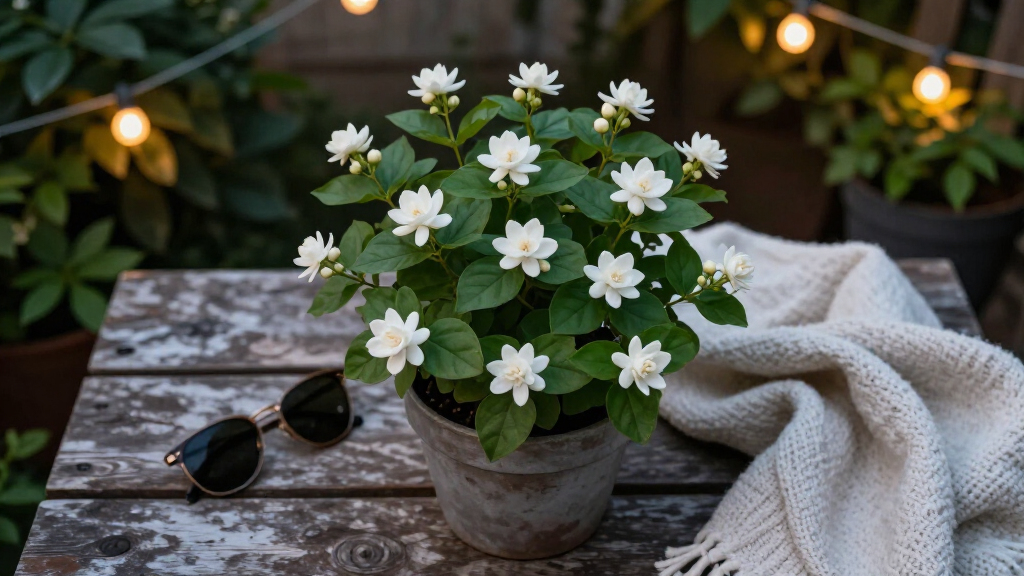
Recent online search data indicates a spike in interest around plants that release more potent scents at night. Among the top choices are jasmine, night-blooming cereus, gardenias, moonflowers, evening primroses, sweet olive, and certain varieties of lavender. These plants are valued for their ability to create a sensory-rich atmosphere as the sun sets, making gardens more inviting during evening hours.
Horticulturists explain that many of these plants have evolved to be more fragrant at night as a strategy to attract nocturnal pollinators. Learn how to make your garden stand out with the right border plants. While the trend is gaining popularity among gardeners, there is no official endorsement or new scientific discovery confirming a sudden change in plant behavior—rather, the interest appears to be a growing appreciation of these plants’ natural traits.
Gardeners are advised to consider local climate and soil conditions when choosing these plants, as their fragrance intensity can vary based on environmental factors. Discover plants that add wow factor to garden borders. Experts also recommend planting them in well-ventilated areas to maximize their scent dispersal during evening hours.
Why Nighttime Fragrance Enhances Garden Experience
The rising popularity of plants that smell better at night reflects a broader trend toward creating multi-sensory outdoor environments. These plants can significantly improve evening ambiance, making gardens more enjoyable for relaxation, social gatherings, or simply unwinding after sunset. For urban dwellers with limited outdoor space, such plants offer an accessible way to elevate their garden’s sensory appeal without extensive effort.
Furthermore, understanding which plants emit stronger scents at night can help gardeners optimize their planting strategies, increasing the value and enjoyment of their outdoor spaces. This trend also underscores a deeper appreciation for the natural behaviors of plants and their role in enhancing human experiences beyond daytime gardening.
As an affiliate, we earn on qualifying purchases.
Growing Interest in Night-Enhancing Garden Plants
The trend toward night-fragrant plants appears to be driven by social media influence and a desire for more immersive outdoor experiences. While no new scientific research has been officially published on this topic recently, the pattern of increased search interest suggests that gardeners are actively seeking plants that can make their outdoor spaces more aromatic after dark. Historically, plants like jasmine and gardenias have been appreciated for their evening scents, but current interest seems to be expanding to include a broader variety of species.
This surge in curiosity coincides with a broader movement toward sensory gardening, where the focus is on engaging multiple senses to enhance outdoor living. As climate change and urbanization influence garden design, plants that provide fragrant experiences at night are becoming increasingly valued for their ability to create a calming, inviting atmosphere.
It is important to note that this trend is based on observational data and search patterns; no formal scientific studies have yet confirmed a significant change in plant scent profiles or behaviors at night.
Unconfirmed Scientific Evidence on Nighttime Scent Changes
While anecdotal and observational data support the idea that certain plants smell better at night, there is no recent scientific research explicitly confirming a change in scent emission at specific times. The current trend appears to be driven by user interest and natural plant behaviors rather than new scientific discoveries. It remains unclear whether all plants classified as night-scented exhibit significantly stronger fragrances under controlled conditions, or if environmental factors influence scent intensity more than previously understood.
Further scientific studies are needed to verify these claims and understand the mechanisms behind nocturnal scent emission fully.
Monitoring Trends and Scientific Validation
Researchers and horticulturists are expected to monitor this trend through ongoing studies and field observations. As interest continues to grow, there may be increased scientific investigation into the mechanisms of scent emission and how environmental factors influence these traits. Gardeners and landscape professionals are advised to experiment with planting night-scented species and share their experiences to help gather practical insights.
Meanwhile, industry experts recommend staying updated through horticultural publications and attending garden shows where new fragrant varieties and planting techniques are often showcased.
Key Questions
Which plants are known for their stronger nighttime scent?
Popular choices include jasmine, night-blooming cereus, gardenias, moonflowers, evening primroses, sweet olive, and certain lavender varieties.
Can I plant these plants in any climate?
Most of these plants are adaptable to various climates, but their fragrance intensity and blooming periods can vary based on local conditions. Consult local horticultural guides for best results.
Do these plants require special care to maximize their scent?
Proper watering, soil preparation, and placement in well-ventilated areas can help enhance their fragrance. Some plants may also benefit from pruning or fertilization tailored to their species.
Is there scientific proof that these plants smell better at night?
Currently, there is no recent scientific research definitively confirming increased scent emission at night. Most evidence is anecdotal and based on natural plant behaviors.
When is the best time to plant night-scented plants?
The ideal planting time depends on your climate and the specific species. Generally, planting in early spring or late fall allows for establishment before peak blooming seasons.
Source: rss
Fall Picks
fall essentials
As an affiliate, we earn on qualifying purchases.