TL;DR

Get garden gear delivered free with Prime
- Fast, free delivery on millions of items
- Prime Video, Amazon Music and more included
- Member-only deals all year
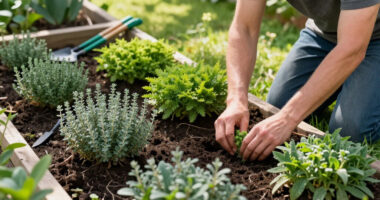
A new gardening technique, dubbed ‘Plant Matchmaker,’ successfully combines summer and fall plants in prairie landscapes, ensuring vibrant color across seasons. Experts confirm the method enhances visual appeal and biodiversity but note some ongoing challenges in plant compatibility.
Impacts of Continuous Color in Prairie Gardens
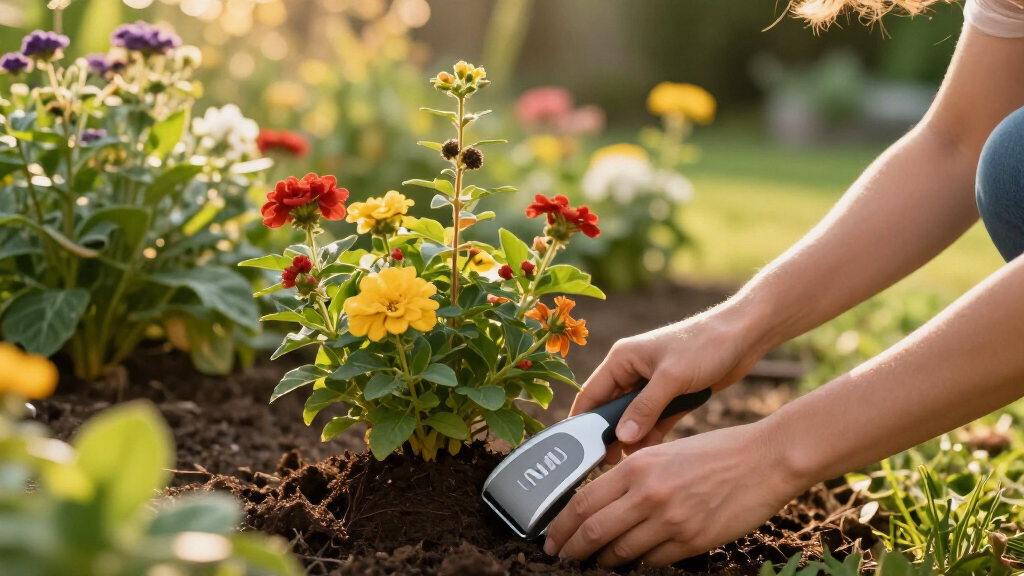
The ‘Plant Matchmaker’ approach could transform prairie gardening by providing year-round visual appeal and ecological benefits. Continuous blooms attract pollinators such as bees and butterflies during late summer and fall, supporting local ecosystems. Additionally, this method reduces the need for artificial decorations or supplemental planting, promoting sustainable landscaping practices. For homeowners, landscape designers, and conservationists, adopting this technique can improve garden resilience and biodiversity. The strategy also offers a model for urban and suburban prairie restorations aiming to balance aesthetics with ecological function. However, widespread adoption depends on further research to optimize plant pairings and management practices, especially in diverse soil and climate conditions.As an affiliate, we earn on qualifying purchases.
Growing Interest in Native and Seasonal Planting Strategies
Over recent years, there has been a surge in interest among gardeners and landscape professionals to incorporate native plants and seasonal strategies that extend bloom periods. The ‘Plant Matchmaker’ technique builds on this trend by specifically targeting the seasonal gap between summer and fall, which traditionally leaves gardens less colorful and less supportive of wildlife. Earlier efforts focused on single-season bloomers or supplemental planting, but recent innovations emphasize plant pairing and ecological harmony. This approach aligns with broader movements toward sustainable landscaping and native plant conservation, responding to concerns about environmental impacts of traditional gardening practices. Pilot projects in the Midwest and reports from botanical societies indicate growing enthusiasm, though widespread implementation remains in early stages. Experts note that the success of these strategies depends heavily on local climate, soil, and plant selection, making site-specific planning essential.“The Plant Matchmaker approach offers a promising way to extend the visual and ecological lifespan of prairie gardens, supporting pollinators during critical seasonal shifts.”
— Dr. Emily Carter, botanist
Remaining Challenges in Plant Compatibility and Management
It is not yet clear how broadly the Plant Matchmaker method can be applied across different climates and soil types. Researchers are still studying optimal plant pairings to prevent issues like overcrowding or plant die-off, especially in less predictable environments. Long-term data on ecological impacts and maintenance requirements are still being collected, and some experts caution that success may vary depending on local conditions and gardener expertise.Further Research and Wider Adoption of the Technique
Researchers plan to conduct larger-scale studies to refine plant pairings and management practices for diverse environments. Meanwhile, horticultural organizations are developing guidelines and educational resources to promote adoption among gardeners and landscape professionals. Field trials and community projects are expected to expand over the next year, aiming to validate the approach’s effectiveness and sustainability. As more data becomes available, the Plant Matchmaker could become a standard practice for prairie and native plant gardening, offering a sustainable way to maintain vibrant landscapes year-round.Key Questions
What plants are best suited for the Plant Matchmaker technique?
Native prairie plants that bloom sequentially, such as purple coneflowers, black-eyed Susans, goldenrod, and asters, are recommended. Selection should be based on local climate and soil conditions.
Can this method be used in non-native gardens?
While primarily designed for native prairie landscapes, the principles of sequential blooming and plant pairing can be adapted to non-native gardens with careful selection and planning.
Does implementing this strategy require special maintenance?
Initial planning and proper plant selection are essential. Once established, maintenance involves regular watering, mulching, and pruning, similar to traditional prairie gardening.
Are there environmental benefits to this approach?
Yes, extending bloom periods supports pollinators and wildlife, reduces the need for artificial decorations, and promotes sustainable, native plant use.
Is the Plant Matchmaker method suitable for small urban gardens?
Yes, with appropriate plant choices and space management, small gardens can benefit from this technique to maximize seasonal interest and ecological support.
Source: rss
Fall Picks
fall essentials
As an affiliate, we earn on qualifying purchases.