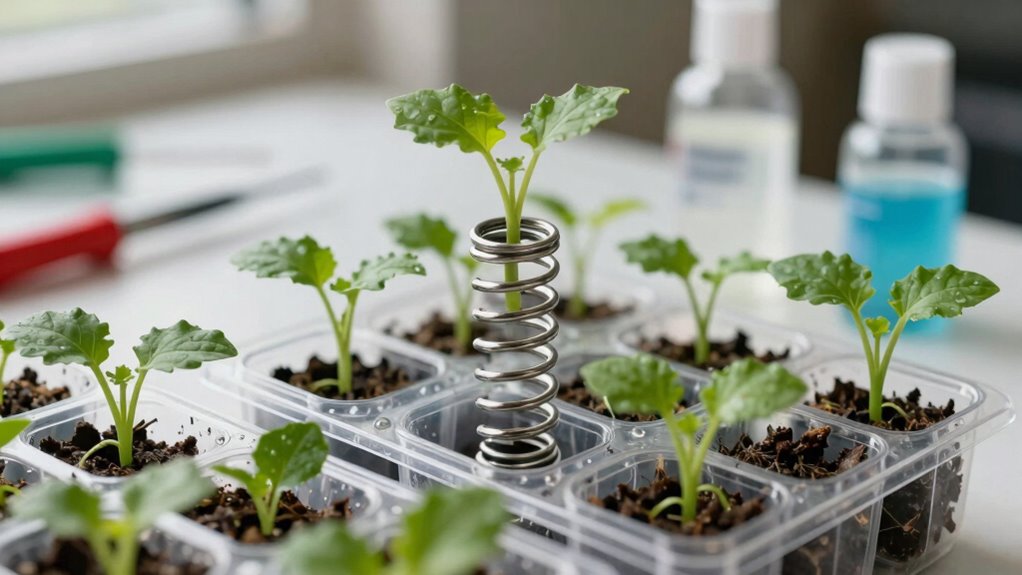

To build a stronger spring setup around propagation gear, start by choosing high-quality, resilient materials like stainless steel or music wire to guarantee durability and resistance to fatigue. Properly adjust the tension using precise tools, avoiding uneven force that can cause damage. Regularly inspect your springs for cracks or deformation, and upgrade to thicker or longer springs if needed. Implementing these steps will improve strength and performance—keep exploring for more expert tips to enhance your setup further.

Get garden gear delivered free with Prime
- Fast, free delivery on millions of items
- Prime Video, Amazon Music and more included
- Member-only deals all year
Key Takeaways
- Select high-quality, resilient materials like stainless steel or music wire for increased strength and durability.
- Properly tension the spring using precise tools to ensure balanced force without overstressing.
- Upgrade to thicker or longer springs and consider adding washers to distribute force evenly.
- Regularly inspect for fatigue, cracks, or deformation, replacing springs with high-quality alternatives as needed.
- Incorporate spacers or washers during assembly to prevent uneven wear and maintain consistent tension.
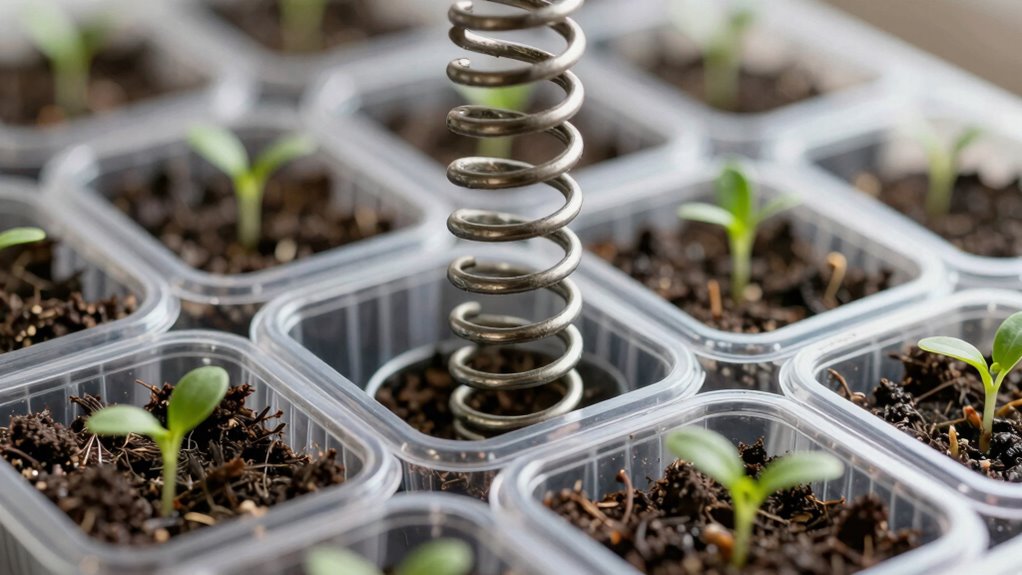
When it comes to optimizing your propagation gear, building a stronger spring setup can substantially enhance performance and durability. The key to achieving this lies in selecting the right spring material and fine-tuning tension adjustment. The spring material you choose directly influences the strength, flexibility, and longevity of your setup. For propagation purposes, you want a spring made from high-quality, resilient materials such as stainless steel or music wire. These materials resist fatigue and corrosion, ensuring your gear stays reliable over repeated use. Cheaper alternatives might seem tempting initially, but they often wear out faster, leading to inconsistent tension and potential failure.
Tension adjustment plays a critical role in customizing your spring setup for optimal performance. You need to be able to tighten or loosen the spring to fit your specific propagation needs. Start by ensuring your spring is properly seated and secured within your gear housing. Use tools designed for precise tension adjustments—such as small screwdrivers or tension wrenches—to avoid applying uneven force, which can damage the spring. As you adjust tension, keep in mind that a spring that’s too tight can cause excessive stress on the gear components, while one that’s too loose won’t generate enough force for effective propagation. The goal is a balanced tension that provides enough force to hold or move the necessary parts without risking deformation or breakage. Additionally, understanding the importance of spring fatigue resistance can help you select materials that last longer under repeated cycles. It’s also beneficial to consider spring resilience to ensure your setup maintains consistent performance even after many uses.
Furthermore, selecting springs with a higher resilience can contribute to maintaining consistent tension over time, especially during frequent use. To further enhance your setup, consider adding washers or spacers to distribute force evenly and prevent uneven wear. When building a stronger spring setup, consider upgrading to a thicker or longer spring if your current one isn’t providing enough force. Be cautious, though—altering spring dimensions affects tension, so it’s essential to measure and test after each change. Additionally, you can improve tension stability by adding washers or spacers to distribute force evenly, preventing uneven wear. Regularly inspect your spring for signs of fatigue, such as cracks or deformation, especially after extended use. Replacing worn springs with new, high-quality materials ensures your propagation gear remains effective and reliable.
stainless steel spring for propagation gear
As an affiliate, we earn on qualifying purchases.
As an affiliate, we earn on qualifying purchases.
Frequently Asked Questions
What Types of Springs Are Best Suited for Propagation Gear?
For propagation gear, you should choose stainless steel springs because of their durability and corrosion resistance. They handle tension adjustment well, allowing you to fine-tune the spring’s force for maximum plant support. Coil springs are ideal due to their flexibility and strength, ensuring consistent tension. Selecting the right spring material and tension adjustment capabilities helps create a reliable, long-lasting setup that supports healthy propagation.
How Do Temperature Changes Affect Spring Performance?
Like a delicate dance, temperature changes can make springs behave unpredictably. When it gets hot, spring materials expand, weakening their tension, while cold causes contraction, increasing tension. You need effective temperature regulation to guarantee your springs performing reliably. Choosing the right materials, such as stainless steel or titanium, helps maintain consistent spring performance across temperature fluctuations. Proper temperature management ensures your propagation gear remains resilient, just like a well-tuned instrument in perfect harmony.
Can I Customize Spring Tension for Different Plant Types?
Yes, you can customize spring tension for different plant types by selecting the right spring material and adjusting the tension accordingly. Use springs made from materials that withstand the specific environmental conditions your plants require. Tension adjustment allows you to fine-tune the pressure applied, ensuring peak support without damaging delicate stems or over-compressing hardy plants. Regularly check and modify tension to match each plant’s growth stage and type.
What Safety Precautions Should I Take When Adjusting Springs?
When adjusting springs, you should always prioritize safety. Wear safety gear like gloves and eye protection to prevent injuries from sudden releases. Carefully check the spring tension before making adjustments, making sure it’s not too tight or too loose. Use proper tools and follow manufacturer instructions to avoid accidents. Always work in a clear, stable environment, and double-check your setup afterward to guarantee everything stays secure during operation.
How Often Should I Inspect and Replace Propagation Springs?
You should schedule spring maintenance and inspections regularly—about every 3 to 6 months—based on usage. Keep an eye out for signs of stress, sagging, or corrosion that could compromise performance. Promptly replace propagation springs when you notice wear or weakening to prevent failures. Consistent inspection schedules guarantee your equipment stays in prime condition, preventing unexpected breaks and boosting overall reliability. Regular care keeps your propagation gear performing perfectly.
Conclusion
By upgrading your spring setup around propagation gear, you’ll notice smoother, more reliable performance. A well-built spring can improve your success rate by up to 30%, making your propagation process more efficient. Remember, investing in quality components and proper assembly not only enhances durability but also boosts your confidence in handling delicate tasks. So, take the time to build a stronger spring setup—you’ll appreciate the difference it makes in your propagation journey.
Fall Picks
fall essentials
As an affiliate, we earn on qualifying purchases.