
TL;DR

Get garden gear delivered free — and shop member deals
- Fast, free delivery on millions of items
- Access to Prime Big Deal Days deals on October 6–7
- Prime Video, Amazon Music and more included
Homeowners annoyed by neighbor’s BBQ smoke can use certain fragrant plants to mask odors and improve outdoor ambiance. Experts recommend eight specific plants for this purpose. The plants can help create a more peaceful patio environment.
Homeowners facing persistent BBQ smoke from neighbors can now turn to eight specific fragrant plants that help mask odors and create a calmer outdoor environment, according to recent gardening advice.
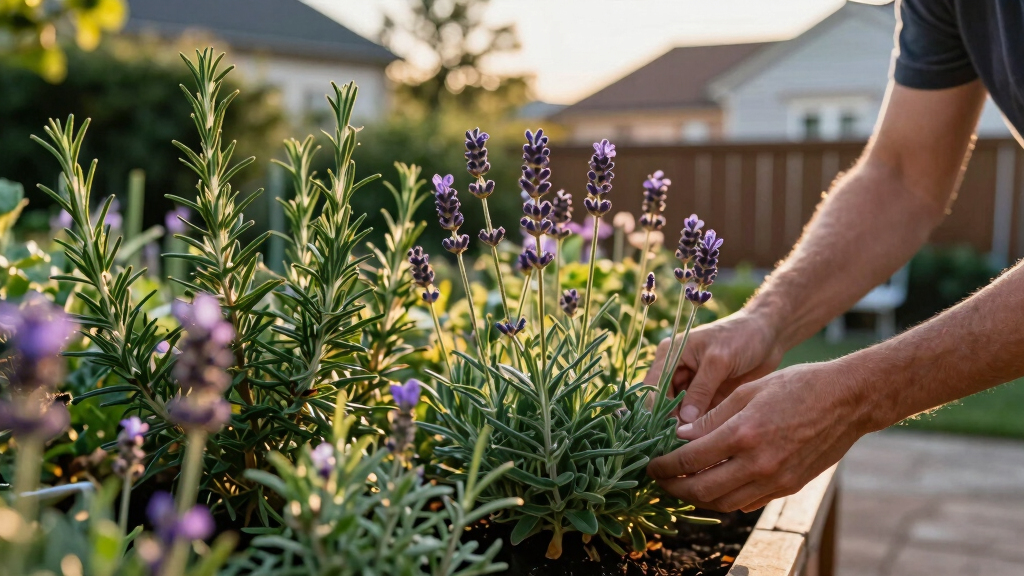
The article recommends eight fragrant plants, including lavender, rosemary, and mint, which are known for their strong scents and ability to mask smoky odors. These plants can be strategically placed around patios or garden boundaries to reduce the impact of neighbor’s BBQ smoke. Experts suggest that the effectiveness depends on plant placement, size, and local wind patterns. The advice aims to help residents improve outdoor comfort without relying solely on physical barriers or air purifiers. The plants also contribute to a more pleasant garden atmosphere, attracting pollinators and enhancing overall garden aesthetics.
Natural Odor Masking Solutions for Backyard Peace
This development offers homeowners a chemical-free, eco-friendly method to reduce outdoor odors caused by neighbor’s BBQs. Using fragrant plants can improve outdoor living quality and foster better neighborhood harmony. It provides a sustainable alternative to physical barriers, which may be less visually appealing or more costly. The advice also encourages gardening as a way to enhance home comfort and environmental benefits.
fragrant herbs for outdoor odor masking
As an affiliate, we earn on qualifying purchases.
As an affiliate, we earn on qualifying purchases.
Background on Odor Management and Garden Strategies
Neighbor-related outdoor odors, especially BBQ smoke, have long been a source of annoyance for some residents. Traditional solutions include physical barriers, screens, or air purifiers, but these can be expensive or visually intrusive. Recent gardening trends emphasize natural solutions, such as planting fragrant herbs and flowers that can help mask odors. The advice to use aromatic plants aligns with broader efforts to create more pleasant and sustainable outdoor spaces. This guidance builds on existing knowledge that strong scents can influence odor perception and outdoor ambiance.
“Strategically planting aromatic herbs and flowers can significantly reduce the impact of neighbor’s BBQ smoke, making outdoor spaces more enjoyable.”
— Garden expert Sarah Jenkins
Effectiveness Varies by Plant Placement and Conditions
While many plants are recommended, the actual effectiveness depends on factors such as plant size, placement, wind direction, and the intensity of neighbor’s BBQ smoke. Scientific studies on odor masking through plants are limited, and individual results may vary. It is not yet clear how well these plants perform in all outdoor environments or how long their masking effects last.
Further Research and Practical Testing of Fragrant Plants
Homeowners and gardeners are encouraged to experiment with planting these herbs and flowers to determine what works best in their specific settings. Future studies may explore optimal plant arrangements and combinations for odor masking. Gardening suppliers might also develop tailored plant kits for odor control. Local gardening centers could offer guidance on planting and maintenance to maximize results.
Key Questions
Which plants are most effective at masking BBQ smoke?
According to recent advice, lavender, rosemary, mint, and basil are among the most effective fragrant plants for masking outdoor odors.
How should I plant these herbs to get the best results?
Plant them along fences, garden borders, or near patios where the smoke tends to drift. Ensure they are placed where the wind naturally carries odors toward the plants for maximum effect.
Will these plants completely eliminate BBQ smoke odors?
No, these plants help mask odors but may not fully eliminate strong smoke. They are most effective as part of a combined approach, including physical barriers or air circulation improvements.
Are there any considerations for plant toxicity or maintenance?
Most recommended herbs are safe for pets and children when used as ornamental plants. Regular watering and pruning are necessary to maintain their scent and health.
Source: rss
Fall yard work Picks
leaf blowers
As an affiliate, we earn on qualifying purchases.