
TL;DR

Get garden gear delivered free with Prime
- Fast, free delivery on millions of items
- Prime Video, Amazon Music and more included
- Member-only deals all year
A new ornamental ground cover has been developed that thrives in shady areas, offering an attractive, low-maintenance alternative to traditional grass. Experts say it could revolutionize garden landscaping, especially in difficult shady spots.
A new ornamental ground cover plant has been introduced that is well-suited for shady gardens, offering an attractive, low-maintenance alternative to patchy grass. The development aims to address common gardening challenges in shaded areas, which often struggle to support healthy grass growth, making landscaping difficult for homeowners and professionals alike. You can learn more about ground cover plants to add in August to help with shaded garden areas.
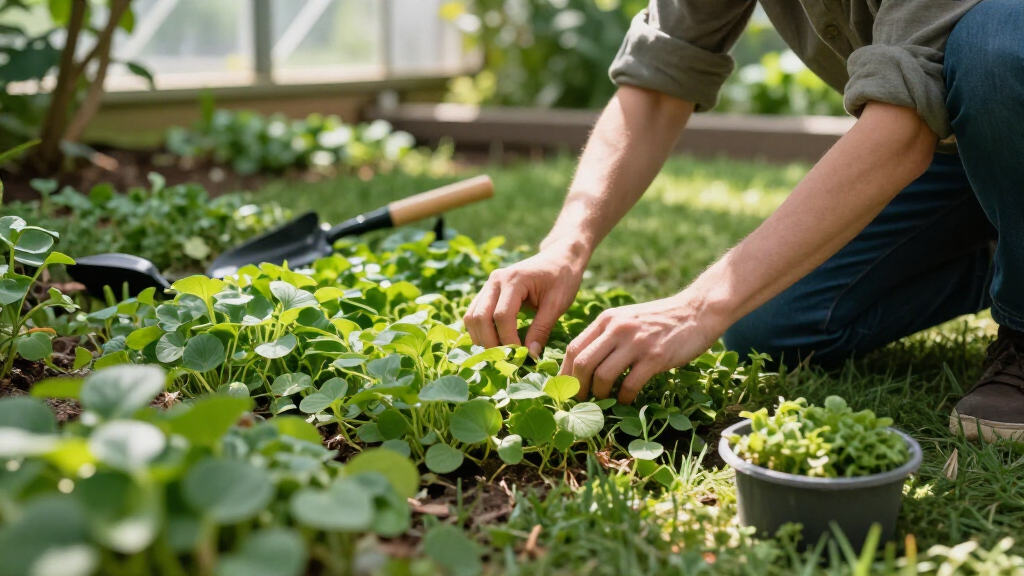
The new ground cover, called ShadeEase, was developed by horticultural researchers at a leading botanical institute and is now available commercially. It is characterized by its dense, lush foliage, vibrant color, and ability to thrive in low-light conditions with minimal watering and care. For more ideas, see our guide on ground cover plants for your garden. Unlike traditional grass, which often becomes patchy and requires frequent mowing and fertilizing, ShadeEase needs little intervention, making it particularly appealing for shaded lawns and garden beds.
According to the developers, ShadeEase can establish itself quickly, suppress weeds, and maintain its appearance throughout the year. It is suitable for both residential gardens and public parks, especially in areas where shade limits the growth of conventional turf. The plant has been tested in various climatic zones, with early reports indicating high resilience and low maintenance requirements.
Horticulture experts suggest that this ground cover could significantly reduce gardening effort and costs, while also improving the aesthetic quality of shaded spaces. Consider exploring tough ground cover plants to enhance your garden’s resilience. The plant is available in several varieties with different leaf colors and textures, allowing for customization based on garden style.
Potential Impact on Shaded Garden Landscaping
The introduction of ShadeEase could transform how homeowners and landscapers approach shaded garden areas. Traditionally, shaded zones are difficult to maintain with grass, often resulting in patchy, unsightly patches that require ongoing repair and fertilization. This new ground cover offers a low-maintenance, attractive alternative that can improve garden aesthetics and reduce labor and costs.
Furthermore, the plant’s resilience in low-light conditions makes it suitable for urban environments, shaded courtyards, and under trees, expanding the possibilities for creative landscaping. Its weed-suppressing qualities can also contribute to healthier, more sustainable gardens by reducing the need for chemical herbicides. Overall, if widely adopted, ShadeEase could lead to more sustainable, visually appealing shaded gardens with less effort.
ground cover plants for shady gardens
As an affiliate, we earn on qualifying purchases.
As an affiliate, we earn on qualifying purchases.
Development and Testing of ShadeEase
The development of ShadeEase was led by researchers at the Botanical Innovation Institute, who focused on creating a hardy, ornamental ground cover adaptable to shaded environments. The plant was first cultivated in controlled trials over the past two years, with promising results reported early last year. It was then tested in real-world conditions across multiple regions, including temperate and subtropical zones.
Prior to this development, gardeners relied heavily on patchy grass or invasive ground covers that required frequent upkeep. Shade-tolerant plants like mosses and ferns existed but often lacked the visual appeal or durability needed for everyday landscaping. ShadeEase aims to fill this gap, combining aesthetic qualities with practicality.
The plant’s commercial release follows regulatory approval and positive feedback from early adopters, including landscape designers and gardening enthusiasts.
“ShadeEase offers a low-maintenance, visually appealing solution for shaded gardens, reducing effort while enhancing landscape beauty.”
— Dr. Emily Carter, lead researcher at Botanical Innovation Institute
Unanswered Questions About Long-Term Performance
While early results are promising, it is not yet clear how ShadeEase will perform over many years in diverse environmental conditions. Questions remain about its resistance to pests, disease, and extreme weather. Additionally, the plant’s compatibility with various soil types and its ecological impact are still being studied.
Further research is needed to confirm its durability and long-term sustainability before widespread adoption can be recommended.
Next Steps for Adoption and Further Research
Manufacturers plan to expand distribution and conduct ongoing field trials to monitor long-term performance. Gardeners and landscapers interested in ShadeEase can expect to see it available in nurseries within the next few months. Researchers will continue studying its ecological impacts, pest resistance, and potential for use in different climates.
In addition, horticultural experts recommend trial planting in small areas to assess suitability for individual gardens before large-scale use. As more data becomes available, guidelines for best practices and maintenance will be published.
Key Questions
Is ShadeEase safe for pets and children?
According to the developers, ShadeEase is non-toxic and safe for pets and children when used as directed. However, users should always follow planting and care instructions to ensure safety.
Can ShadeEase be used in full sun?
ShadeEase is specifically designed for shaded areas and performs best in low-light conditions. Its effectiveness in full sun has not been established and is not recommended.
How much maintenance does ShadeEase require?
The plant requires minimal watering once established and does not need mowing or fertilizing regularly, making it a low-maintenance option for shaded gardens.
What varieties of ShadeEase are available?
Several varieties with different leaf colors and textures are available, allowing customization to match garden aesthetics.
When will ShadeEase be available for purchase?
Commercial availability is expected within the next few months, with nurseries beginning to stock the plant following regulatory approval and initial distribution.
Source: rss
Halloween Picks
halloween
As an affiliate, we earn on qualifying purchases.