
TL;DR

Get garden gear delivered free — and shop member deals
- Fast, free delivery on millions of items
- Access to Prime Big Deal Days deals on October 6–7
- Prime Video, Amazon Music and more included
A gardening initiative carried out over the weekend aims to improve rose growth for next summer. Experts say the quick August job will result in larger, healthier roses in the coming year.
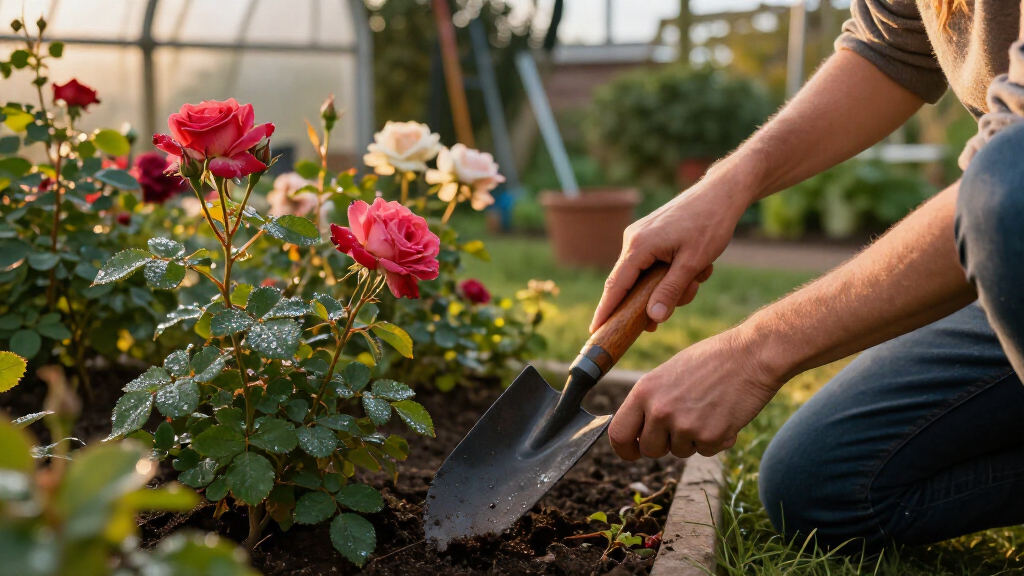
A gardening project conducted over the weekend in August is expected to lead to bigger, better roses next summer, according to local horticulturists. The effort involved targeted pruning and soil enrichment aimed at improving rose health and bloom size for the upcoming season.
Gardeners in the region undertook a focused maintenance effort during the weekend, which included pruning, fertilizing, and soil conditioning. Experts from the local horticultural society confirmed that these steps are known to promote healthier growth and larger blooms in roses.
While the initial results are promising, with early signs of vigorous new growth, it is still too soon to confirm the full impact on next summer’s rose size and quality. Horticulturists emphasize that proper care during late summer can significantly influence the upcoming blooming season.
Implications for Rose Growers and Gardeners
This effort highlights how targeted, timely gardening practices can impact plant growth in the following year. If successful, this approach could encourage more gardeners to adopt similar quick interventions during late summer, potentially leading to larger and more vibrant roses in future seasons. The initiative demonstrates that even short-term actions can have long-term benefits, emphasizing the importance of proper care during critical growth periods.As an affiliate, we earn on qualifying purchases.
Summer Gardening Practices and Their Long-Term Effects
Historically, rose growers have relied on seasonal pruning and fertilization to influence bloom size and health. This year, a specific focus on late summer care—particularly during August—has gained attention after anecdotal reports of improved growth. Experts note that this aligns with traditional practices but emphasizes the timing and methods used can vary. The current effort builds on previous seasonal routines, aiming to maximize next year’s floral display. The initiative was prompted by local horticulturists seeking to optimize plant health amid changing climate conditions that affect growth cycles.“Proper pruning and soil enrichment during late summer can set the stage for larger, more vigorous roses next year.”
— Jane Miller, local horticulturist
Uncertain Long-Term Impact on Rose Size
While initial signs are promising, it remains unclear how significantly the weekend’s work will influence the final size and health of roses next summer. Experts caution that environmental factors and ongoing care will also play crucial roles, and it is too early to quantify the full effect.
Monitoring Growth and Future Gardening Recommendations
Gardeners and horticulturists will observe the rose plants throughout the fall and winter to assess growth and health. The next steps include documenting bloom sizes and plant vigor, with some suggesting additional care measures to maximize results. Researchers plan to compile data to determine whether this short-term intervention can reliably predict larger roses in future seasons.
Key Questions
Will the weekend gardening effort guarantee larger roses next summer?
While early signs are positive, it is not guaranteed. The impact depends on various factors, including ongoing care and environmental conditions.
What specific actions were taken during the weekend gardening project?
The effort included pruning, fertilizing, and soil conditioning aimed at promoting healthy growth and larger blooms.
Can other gardeners replicate this success?
Yes, experts suggest that similar late summer practices can help improve rose growth, but results may vary depending on individual conditions.
When will the full effects of this effort be visible?
Most effects are expected to become apparent during the next blooming season, in late spring or early summer of next year.
Source: rss
Halloween Picks
halloween
As an affiliate, we earn on qualifying purchases.