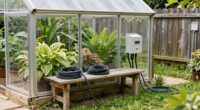
Many growers skip regular maintenance of shelves and benches, risking structural issues, pest infestations, and reduced crop quality. You should frequently inspect for loose fasteners, cracks, or wobbling, and guarantee surfaces are clean and disinfected to prevent diseases. Organizing your space and maintaining proper humidity and drainage are also essential. Keeping up with these tasks can boost your yields, but if you want to learn how to master this routine, keep exploring further.

Get garden gear delivered free with Prime
- Fast, free delivery on millions of items
- Prime Video, Amazon Music and more included
- Member-only deals all year
Key Takeaways
- Many growers neglect regular cleaning and inspection, leading to hidden pest, mold, or structural issues.
- Routine maintenance often skips scheduled shelf and bench checks for wear, loose fasteners, or damage.
- Growers frequently overlook the need for consistent disinfection to prevent contamination buildup.
- Environmental controls like humidity and airflow adjustments are often neglected, risking mold and disease.
- Preventive repairs and component replacements are commonly delayed, causing safety hazards and equipment failures.
grow room shelf maintenance tools
As an affiliate, we earn on qualifying purchases.
As an affiliate, we earn on qualifying purchases.
Why Regular Shelf and Bench Maintenance Matters for Your Grow Success

Have you ever wondered why some grow operations consistently thrive while others struggle? The secret often lies in regular maintenance of shelves and benches. Good shelf aesthetics aren’t just about looks—they help you stay organized and identify issues quickly. Choosing the right bench material is equally essential; durable, easy-to-clean options like metal or high-quality wood prevent damage and contamination. When you maintain your shelves and benches regularly, you reduce the risk of pests, mold, and structural failure. Proper cleaning techniques are crucial to maintaining a hygienic grow environment and preventing buildup of harmful residues. Regularly inspecting your shelf and bench surfaces can help catch potential problems early before they escalate. Incorporating sustainable practices such as using eco-friendly cleaning products and materials can further support your environmental goals while maintaining a healthy grow space. Being aware of material durability can help you select the most suitable options for long-term use. This proactive approach guarantees your setup remains stable, hygienic, and efficient. Incorporating natural and sustainable practices in your backyard setup can further enhance your grow environment by supporting eco-friendly principles. Consistent upkeep saves you time and money in the long run, allowing you to focus on optimizing your grow environment. Ultimately, well-maintained shelves and benches are foundational to your grow success.
How to Recognize When Shelves and Benches Need Attention

Ever wonder how to tell if your shelves and benches are in trouble before problems become serious? You should regularly check for signs of compromised shelf stability, like wobbling or sagging. If shelves shift or feel loose, it’s time to tighten or reinforce them. For benches, pay attention to bench alignment—if surfaces are uneven or warped, it can affect plant health and safety. Keep an eye out for cracks, warping, or sagging wood, which indicate structural issues. Loose brackets or fasteners also signal that maintenance is needed. Addressing these early signs prevents bigger problems down the line, ensuring your grow setup remains secure and functional. Regular inspection and proper shelving maintenance can extend the life of your equipment and prevent costly repairs. Staying aware of structural integrity is key to avoiding potential safety hazards. Incorporating preventative upkeep into your routine helps catch issues before they escalate, saving time and resources. Additionally, understanding the importance of cabling solutions can help prevent accidental disconnections or damage that may compromise your setup’s safety.
Simple Cleaning Tips to Prevent Pests and Diseases

Maintaining a clean grow area is essential for preventing pests and diseases from taking hold. Regular cleaning disrupts pests’ hiding spots and helps you spot early signs of disease. To keep your space healthy, focus on these simple tips:
Keeping your grow area clean prevents pests, diseases, and promotes healthy plants. Regular maintenance is key.
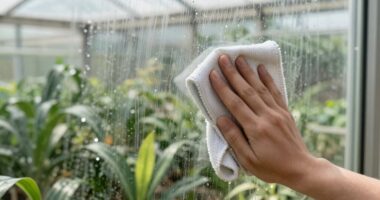
- Wipe down surfaces with a disinfectant to eliminate lingering pathogens.
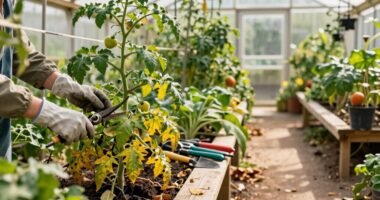
- Remove dead leaves and debris daily to prevent pest habitat buildup.
- Use sterile tools and containers to avoid transferring infections.
- Check plants closely for early disease symptoms and act immediately.
- Keep humidity levels in check to deter mold and fungal growth.
- Understanding plant health is crucial for early detection and effective management of issues. Additionally, educating yourself about integrated pest management strategies can help create a comprehensive approach to pest prevention.
- Ensuring proper air circulation can significantly reduce moisture buildup and inhibit mold growth.
- Incorporating monitoring techniques can further help identify potential problems before they become severe.
- Implementing AI-powered monitoring tools can enhance early detection of pests and diseases, leading to more timely interventions.
Organize Your Shelves and Benches for Maximum Space and Efficiency

Organizing your shelves and benches efficiently is key to maximizing space and streamlining your workflow. Start by grouping similar items together, such as tools, supplies, or plants, to reduce clutter and improve access. Use vertical space wisely with stackable bins or shelves to free up surface areas. Incorporate decorative displays and aesthetic enhancements to make your space more inviting and motivating. Clear labels help you quickly find what you need, saving time during busy periods. Keep frequently used items within reach and store less-used supplies in the back. Regularly reassess your setup to eliminate unnecessary clutter. An organized space not only boosts efficiency but also creates an inspiring environment that encourages better care and maintenance of your grow operation. Incorporating a digital archive to track your organizational strategies can help you refine your setup over time. Additionally, understanding the importance of space optimization can lead to continuous improvements in your workflow and storage solutions. Being aware of sustainable practices in your organization can also reduce waste and environmental impact in your grow operation.
Inspect and Fix Your Shelving and Bench Structures for Safety

After organizing your shelves and benches, it’s important to make certain they’re sturdy and safe to use. Check the material durability of each component—wood, metal, or plastic—to spot signs of wear or weakness. Inspect the structural integrity by looking for loose bolts, wobbly joints, or cracks. Fix any issues immediately to prevent accidents. Remember, a safe setup protects your plants and your team. Keep these in mind:
- Feel for wobbling or instability
- Look for rust, corrosion, or rotting
- Tighten loose fasteners and brackets
- Replace damaged or weakened materials
- Confirm even weight distribution
Ensuring your structures are built with high-quality materials enhances longevity and safety. Proper maintenance also involves checking for structural stability periodically to catch issues early. Regular inspections help prevent unexpected failures that could disrupt your growing operations. Taking these steps ensures your structures remain reliable and secure, safeguarding your investments and promoting a safe growing environment. Don’t skip this essential routine—your success depends on it. Incorporating material inspection into your routine can further extend the lifespan of your shelving and benches.
Keep Drainage and Humidity Levels Just Right

Making sure your growing environment has proper drainage and humidity levels is essential for healthy plant development. If drainage is poor, roots can rot; too much humidity encourages mold. Balance air circulation and light exposure to maintain ideal conditions. Good air circulation prevents stagnant air, reducing disease risk, while proper light exposure helps regulate humidity naturally. Use well-draining soil and make certain pots have drainage holes. Monitoring humidity with a hygrometer allows for precise adjustments, and you can optimize airflow to help maintain stable humidity levels. Incorporating smart kitchen technology can also help automate environmental adjustments for optimal plant health. Additionally, understanding the importance of AI-powered environmental controls can further enhance your ability to maintain the perfect growing conditions consistently, similar to how electric bikes produce instant torque for quick acceleration in off-road conditions.
Create a Maintenance Schedule That Fits Your Grow Operation

Creating a maintenance schedule tailored to your grow operation helps you stay on top of essential tasks and prevent issues before they arise. This guarantees your shelves remain attractive and functional, supporting ideal shelf aesthetics and bench customization. A well-planned routine keeps your setup organized and inspiring, boosting your confidence and motivation.
Consider these key points:
- Regularly clean and inspect shelves for dirt and wear
- Schedule periodic updates to shelf aesthetics
- Maintain consistent bench calibration for ideal growth
- Track when to replace worn-out components
- Adjust your routine as your grow operation evolves
Troubleshoot Common Shelf and Bench Maintenance Problems

Have you ever noticed your shelves or benches developing issues that disrupt your grow operation? Common problems include mold, pests, or nutrient deficiencies. To troubleshoot, start by inspecting for pests that may hide in crevices or soil residues, and implement pest prevention measures like cleaning and sealing cracks. Check for signs of mold or mildew, which often result from excess humidity or poor airflow, and improve ventilation if needed. Nutrient management is vital, so make sure your plants aren’t showing deficiencies—yellowing or spotting can indicate imbalance. Regularly sanitize and adjust your maintenance routines, and keep your shelves dry and clean. Addressing these issues promptly minimizes plant stress, prevents outbreaks, and keeps your grow environment healthy and productive.
How Regular Maintenance Boosts Crop Yields and Quality

Regular maintenance plays a vital role in maximizing your crop yields and enhancing overall quality. When you stay consistent with your routines, you guarantee plants receive proper plant nutrition, leading to stronger growth and better fruit development. Regular pest management keeps damaging insects and diseases at bay, preventing setbacks and crop loss. By inspecting your shelves and benches often, you catch issues early and make timely adjustments. This proactive approach boosts your confidence and reduces costly mistakes.
- Feel the pride of thriving, healthy plants
- Experience abundant, high-quality harvests
- Enjoy peace of mind from fewer pest problems
- Witness rapid growth and vibrant color
- Gain satisfaction from optimized plant nutrition
Maintaining your system isn’t just routine—it’s the key to opening your garden’s full potential.
Frequently Asked Questions
What Tools Are Essential for Shelf and Bench Maintenance?
You need essential tools like a level, a screwdriver, and cleaning supplies to maintain shelf organization and guarantee bench stability. A level helps you check that shelves are even, preventing accidents. Screwdrivers tighten loose bolts or screws, keeping structures secure. Regular cleaning tools like brushes and disinfectants help you remove dust and debris, maintaining a tidy environment. These tools ensure your shelves stay organized and your benches remain stable and safe.
How Often Should I Perform Deep Cleaning?
You should perform deep cleaning on your shelves and benches at least once a month. During this process, focus on pest control by removing debris where pests can hide, and check lighting optimization to make sure your plants receive the right amount of light. Regular deep cleaning helps prevent pest infestations, promotes healthy growth, and keeps your environment sterile. Consistent maintenance is key to a successful growing operation.
What Are Signs of Structural Damage to Watch For?
You should look for signs of structural damage like cracked or warped shelves, loose joints, or rusted supports, which can compromise plant health and pest prevention efforts. Sagging or uneven surfaces may indicate weakening structures. Regularly inspecting for these issues helps guarantee your setup remains stable, preventing pests from hiding and damaging plants, ultimately supporting healthier growth and easier maintenance. Address issues promptly to keep your grow space safe and efficient.
How Can I Prevent Mold Buildup on Shelves?
Do you want to keep mold from taking over your shelves? You can prevent mold buildup by controlling humidity and using mold-resistant coatings on your shelves. Regularly check and adjust humidity levels to stay below 60%, and apply these coatings to create an extra barrier against mold growth. Keep shelves clean and dry, and guarantee good airflow. Wouldn’t you agree that taking these simple steps saves time and protects your plants?
Are There Eco-Friendly Cleaning Options Available?
Yes, eco-friendly cleaning options are available for maintaining your shelves and benches. You can use natural cleaning solutions like vinegar, baking soda, or lemon juice, which effectively disinfect without harmful chemicals. Eco-friendly disinfectants made from plant-based ingredients are also a great choice. These options help you keep your growing environment clean and safe while minimizing environmental impact, ensuring healthier plants and a greener approach to maintenance.
Conclusion
Remember, an ounce of prevention is worth a pound of cure. By staying on top of your shelf and bench maintenance, you’ll catch issues early, prevent pests, and keep your grow space running smoothly. Regular checks and simple upkeep can lead to healthier plants, higher yields, and better quality crops. Don’t wait until problems arise—invest a little time now, and your garden will thank you for it. Stay diligent, and watch your grow thrive!
Fall yard work Picks
leaf blowers
As an affiliate, we earn on qualifying purchases.