
Neglecting to regularly clean your fan blades is the biggest mistake that can cut your airflow in half. Dust and debris cling to blades, disrupting smooth rotation and blocking airflow, making your fan much less effective. Over time, dirt buildup causes resistance, forcing the motor to work harder and waste energy. If you want to maximize airflow and prolong your fan’s lifespan, keeping blades clean and well-maintained is essential—continue further for expert tips on ideal fan care.

Get garden gear delivered free — and shop member deals
- Fast, free delivery on millions of items
- Access to Prime Big Deal Days deals on October 6–7
- Prime Video, Amazon Music and more included
Key Takeaways
- Neglecting regular cleaning of blades and vents causes dust buildup, disrupting airflow and significantly reducing fan efficiency.
- Failing to inspect and maintain blade balance leads to wobbling and uneven airflow, cutting performance in half.
- Ignoring dust accumulation on blades increases resistance, forcing the motor to work harder and decreasing airflow.
- Improper fan placement or obstructed surroundings create airflow disruptions, halving the fan’s cooling effectiveness.
- Skipping routine maintenance like lubrication and tightening loose parts causes motor strain and airflow loss.
As an affiliate, we earn on qualifying purchases.
The Common Mistake That Halves Your Fan’s Airflow
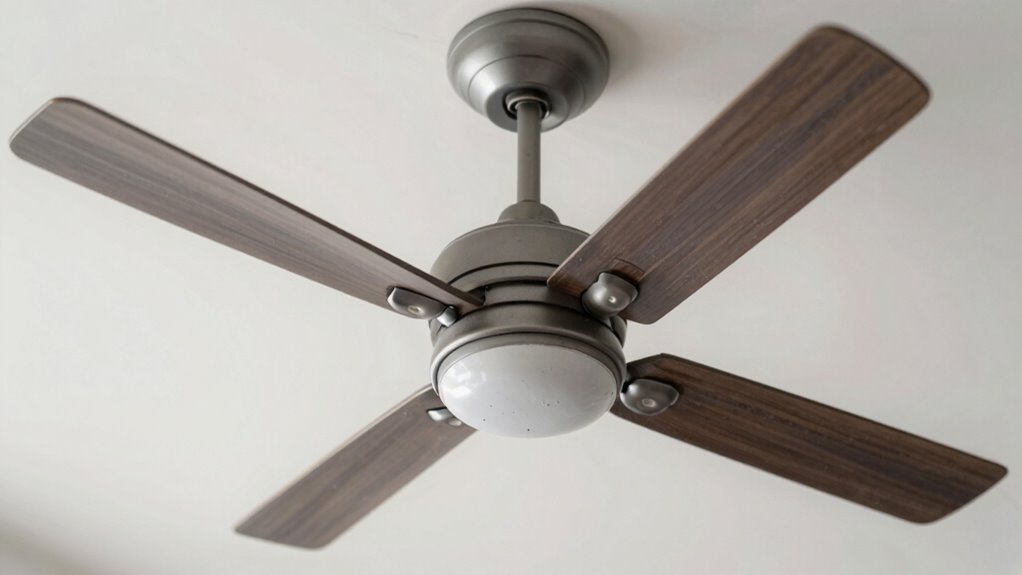
One of the most common mistakes that drastically reduces your fan’s airflow is neglecting to regularly clean the blades and vents. The type of fan blade materials—plastic, metal, or composite—affects how dust and debris cling, impacting airflow patterns. Dirty blades disrupt smooth rotation, creating uneven airflow and reducing overall efficiency. When dust accumulates on blades, it throws off the natural airflow pattern, causing turbulence and less circulation. You might notice less cooling or airflow even if the fan is running at full speed. Regular cleaning keeps blades free of buildup, helping maintain ideal airflow patterns. Additionally, understanding fan blade materials can help you choose the right cleaning methods to prevent damage. Proper maintenance also involves inspecting for dust buildup, which can significantly impair performance. Recognizing the material properties of your fan blades can guide you in selecting appropriate cleaning tools and techniques. Being aware of airflow patterns can further assist in troubleshooting and maintaining optimal fan performance. Regularly checking for vent blockages is essential because obstructions can further hinder airflow and reduce efficiency. Remember, neglecting this simple maintenance step is a quick way to halve your fan’s effectiveness and compromise air circulation in your space.
How Dirty Fans Reduce Air Circulation
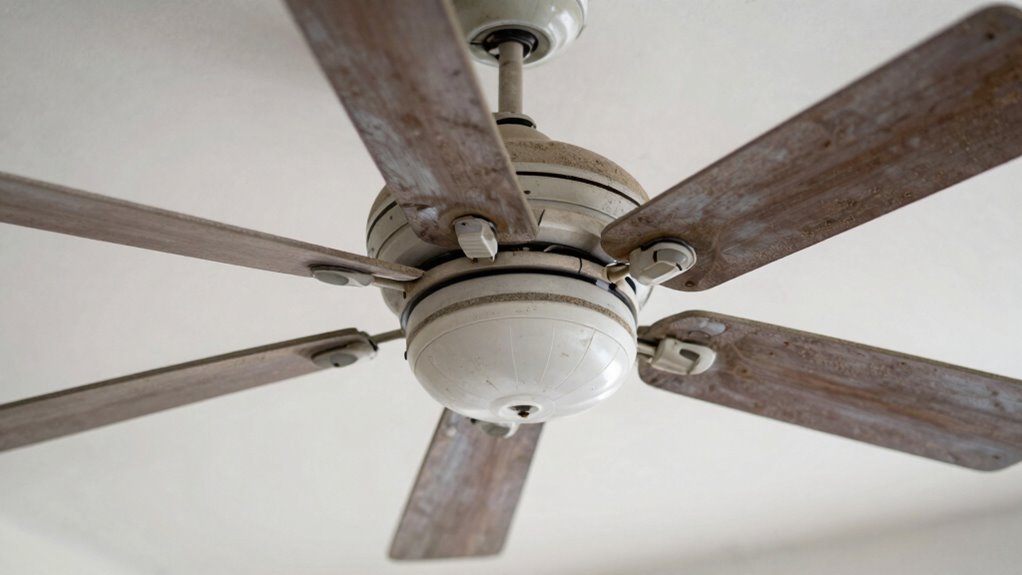
When your fan gets dirty, dust and debris build up on the blades, blocking airflow and making the fan work harder. This reduces its efficiency and causes the motor to strain more than it should. This buildup can also lead to fan damage if not addressed promptly. As a result, your fan pushes less air, and energy bills may go up. Regular cleaning can prevent buildup and maintain optimal air quality. Additionally, keeping fans clean can contribute to home soundproofing by reducing noise caused by inefficient operation. Proper cabling solutions and maintenance practices can also help ensure your fans operate smoothly and effectively over time. Being aware of ethical consumer choices can encourage the adoption of more environmentally friendly and energy-efficient appliances, including fans.
Accumulated Dust Blocks Blades
Accumulated dust on fan blades can considerably hinder airflow, making your fan less effective at circulating air. Dust buildup creates a layer that disrupts the smooth movement of the blades, reducing their ability to push air efficiently. Over time, this dust can also cause blade corrosion, weakening the material and further decreasing performance. When blades are covered in dust, they become heavier and less aerodynamic, which slows down rotation and limits airflow. Regular cleaning prevents this buildup and helps maintain ideal function. If dust isn’t removed, it can settle into hard-to-reach areas, making the fan work harder and increasing wear and tear. Keeping your blades clean ensures maximum airflow and prolongs the fan’s lifespan, saving you energy and repair costs. Additionally, understanding the importance of airflow efficiency can help you better maintain your fan’s performance. Proper maintenance also includes checking for signs of dust accumulation, which is crucial for optimal operation. Regularly inspecting and cleaning your fan blades can also help prevent blade corrosion, ensuring your fan remains effective over time. Recognizing early signs of dust buildup can also help you address issues before they impact overall fan performance.
Reduced Fan Efficiency
A fan covered in dirt and dust doesn’t just look unclean—it also struggles to circulate air effectively. When dust accumulates on the blades, it creates resistance that hampers airflow, reducing overall fan efficiency. As a result, the fan has to work harder, increasing energy consumption and driving up your electricity bills. You might also notice more fan noise because the motor has to exert more effort to overcome the added resistance. This inefficiency means less air reaches your space, making your cooling or heating less effective. Over time, the dirt buildup worsens, further decreasing airflow and increasing energy costs. Regular cleaning keeps the blades clear, helping your fan operate smoothly, efficiently, and quietly, saving you money and maintaining better air circulation. Additionally, keeping fans clean can help prevent water damage from dust and debris buildup in the motor or surrounding components. Proper maintenance of fan components is essential to sustain airflow efficiency and prolong the lifespan of your appliance. Regularly inspecting and cleaning fans can also reduce the risk of microplastic accumulation, which is a concern in indoor dust and can impact air quality.
Increased Motor Strain
Ever wonder why a dirty fan seems to struggle more than usual? When dust and debris accumulate, the motor has to work harder to turn the blades, leading to motor overheating. This increased effort causes the motor to draw more electrical current, which can result in electrical faults. Over time, these faults may damage the motor’s internal components, reducing its lifespan. The extra strain also raises the risk of overheating, forcing the fan to shut down unexpectedly or operate inefficiently. As the motor strains, its performance drops, and airflow diminishes further. A cleaning routine can significantly help maintain optimal airflow and prevent these issues. Regular cleaning prevents dust buildup, helping the motor run smoothly and avoid unnecessary stress. Additionally, keeping fans clean can preserve the regional flavors associated with specific fan designs and enhance their overall efficiency. Proper maintenance not only extends the life of your appliance but also ensures it continues to operate at peak performance levels. Ensuring proper fan lubrication can also reduce unnecessary friction and improve airflow efficiency.
Proper Fan Placement for Better Airflow

Proper fan placement is essential for optimizing airflow and guaranteeing your space stays cool. Start by choosing the right ceiling placement—install the fan near the center of the room for even circulation. Proper blade orientation is equally important; blades should spin counterclockwise in summer to push air downward, creating a breeze that cools the room. Make sure the fan is mounted at the correct height—generally about 8-9 feet from the floor—for maximum efficiency. Avoid placing fans too close to walls or corners, which can disrupt airflow. Also, ensure the blades are angled correctly to promote smooth, consistent circulation. Correct placement and blade orientation work together to enhance airflow, prevent dead spots, and maintain a comfortable environment. Incorporating the right essential oils can also create a calming atmosphere that complements optimal airflow. Additionally, understanding how airflow patterns influence overall cooling can help you position fans more effectively for better circulation. Proper understanding of environmental impact can guide you in choosing more sustainable fan options and placements.
Signs Your Fan Needs Repair or Replacement
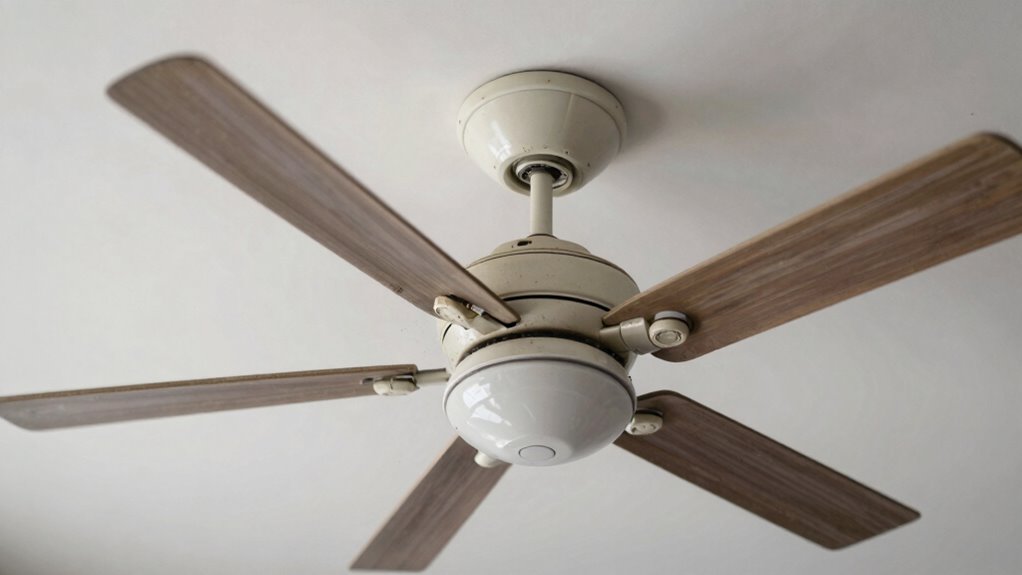
You’ll notice your fan making strange noises or rattling more than usual, which can indicate a problem. Visible damage like bent blades or loose parts is also a clear sign it needs attention. Ignoring these signs could lead to bigger issues or even a complete breakdown.
Unusual Noise Levels
Have you noticed your fan making strange or louder noises than usual? Unusual sounds often signal a problem. Check the fan blade alignment first—misaligned blades can cause knocking or rattling sounds. If the blades aren’t properly aligned, the fan wobbles and creates noise. Another common cause is insufficient motor lubrication; a dry or dirty motor can produce squeaking or grinding sounds. Regularly lubricating the motor helps keep it running smoothly and quiets down noise issues. Ignoring these signs can lead to more severe damage or decreased airflow. Addressing noise early by realigning blades and ensuring proper lubrication can extend your fan’s lifespan and maintain the best airflow. Don’t dismiss odd noises—they’re your fan’s way of telling you it needs attention.
Visible Fan Damage
Are there visible signs that your fan is damaged and in need of repair or replacement? Look closely at the blades—if you notice blade imbalance, with blades bent, chipped, or warped, it’s a warning sign. Damaged blades can cause vibrations and reduce airflow. Also, check for discoloration, burn marks, or any cracks, which indicate physical damage. Motor overheating might be evident if the motor housing is unusually hot or if there’s a burnt smell. These issues often stem from worn-out parts or internal damage, and ignoring them can lead to further problems. If you see any of these signs, it’s time to consider repair or replacement to restore proper airflow and prevent more serious damage.
How to Clean Your Fan for Improved Airflow

Cleaning your fan regularly is essential to guarantee ideal airflow and efficiency. Dust and dirt buildup on the fan blades can disrupt the fan blade design, which directly impacts airflow dynamics. To clean your fan, unplug it first for safety. Use a soft cloth or a brush to remove dust from the blades, paying attention to the edges where debris tends to accumulate. For stubborn grime, dampen the cloth slightly with water or a mild cleaning solution. Be gentle to avoid damaging the blades or knocking them out of alignment. Proper cleaning restores the smooth surface of the fan blades, improving airflow and reducing noise. Regular maintenance assures your fan operates at peak performance, preventing airflow reduction caused by dirt and debris.
Adjusting Fan Speed Settings for Optimal Circulation

Adjusting your fan’s speed settings correctly can considerably improve airflow and comfort in your space. Understanding fan blade design and airflow dynamics helps you choose the right setting. When set to low, the fan circulates air gently, ideal for quiet comfort. High speed increases airflow, which is useful in hot weather, but may cause noise. For best circulation, experiment with intermediate speeds to balance airflow and noise levels. Properly adjusting speed settings guarantees the fan’s airflow matches your needs without overworking the motor or disrupting airflow patterns. Remember, fan blade design influences how airflow responds at each setting—less efficient blades may require higher speeds for effective circulation. Fine-tuning these settings helps maximize your fan’s performance while maintaining energy efficiency.
Keeping Fan Blades in Shape to Maximize Efficiency
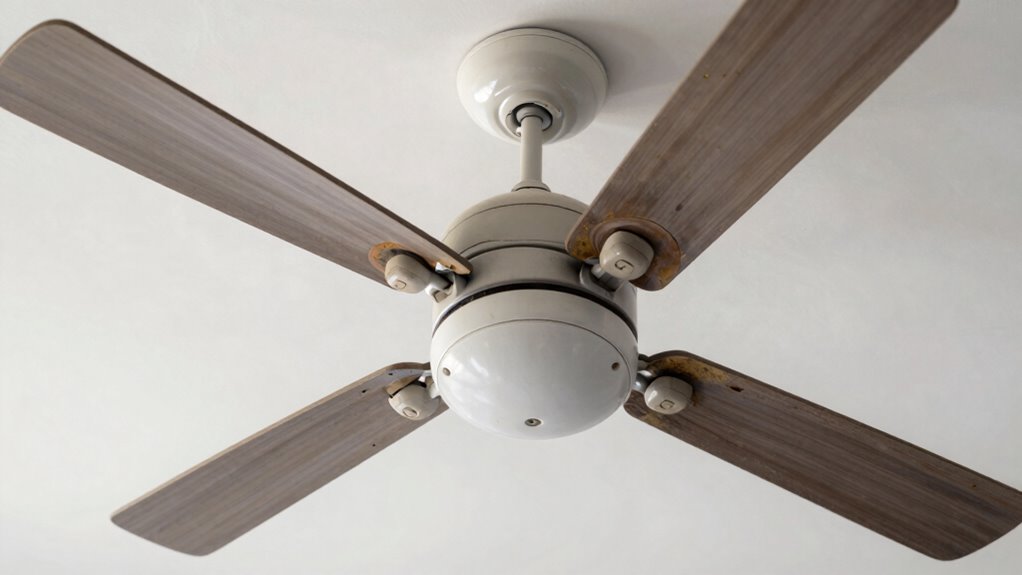
To maximize your fan’s efficiency, maintaining the shape of the blades is vital, as deformed or dirty blades can considerably reduce airflow. Regularly inspect blades for dents, bends, or dirt buildup. Keep blades clean and smooth to prevent imbalance, which affects blade balance and motor performance. Check for uneven wear and gently straighten bent blades if needed. Proper motor lubrication reduces vibration, helping blades stay aligned and in form. A well-balanced, lubricated motor ensures smooth operation and prevents blade wobbling.
| Tip | Action | Result |
|---|---|---|
| Blade balance check | Ensure blades are even | Ideal airflow |
| Cleaning blades | Remove dirt and debris | Reduced drag |
| Motor lubrication | Lubricate regularly | Smooth, steady operation |
Preventative Tips to Maintain Peak Fan Performance
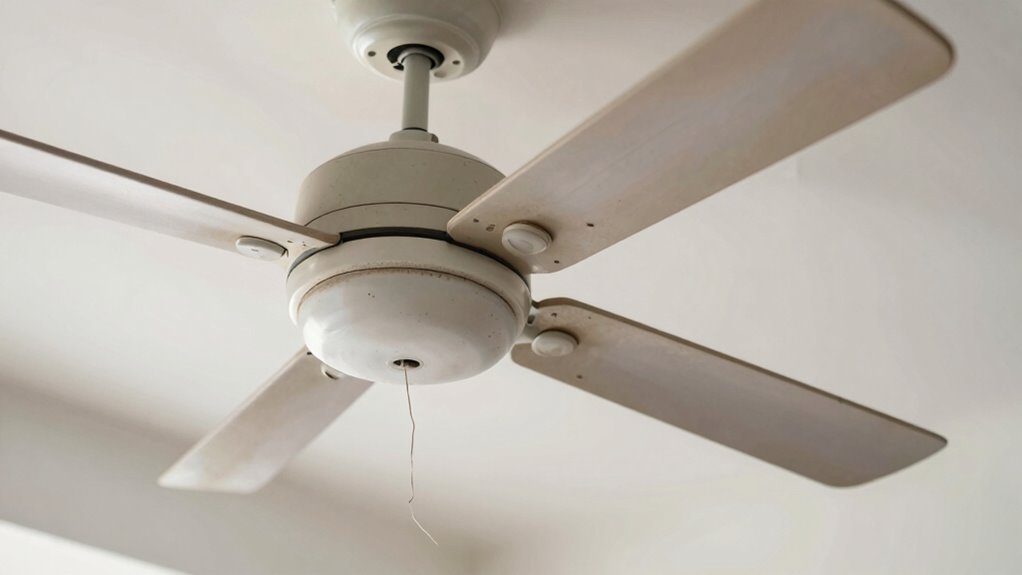
Regularly scheduling preventative maintenance is essential to keep your fan performing at its best. Routine checks help guarantee ideal airflow and prevent common issues like reduced efficiency. Focus on inspecting fan blade materials—whether plastic, metal, or composite—to catch signs of wear or damage early. Clean your fan and blades regularly to prevent dust buildup that hampers airflow. Test the remote control functionality to confirm smooth operation, as faulty remotes can lead to unnecessary adjustments or interruptions. Additionally, tighten loose screws and lubricate moving parts to reduce noise and wear. Consider replacing worn-out blades or components before they cause bigger problems. These simple steps keep your fan running efficiently, extending its lifespan and maintaining peak performance.
Troubleshooting Persistent Airflow Problems

When airflow problems persist despite routine maintenance, it’s time to investigate deeper issues affecting your fan’s performance. Check for obstructions or debris blocking vents and blades, as these can considerably reduce airflow and compromise energy efficiency. Inspect the motor for overheating or unusual noises, which may signal worn bearings or electrical issues. Verify the fan is properly balanced; imbalance can cause vibrations and noise, hampering noise reduction efforts. Tighten loose screws or mounts to prevent rattling. Also, examine the electrical connections for corrosion or loose wiring. Addressing these problems not only restores airflow but enhances energy efficiency and minimizes noise, ensuring your fan operates smoothly and quietly. Persistent issues may require professional inspection to optimize performance further.
Frequently Asked Questions
Can Using the Wrong Type of Fan Reduce Airflow Efficiency?
Using the wrong type of fan can definitely reduce airflow efficiency, making your system work harder and causing more fan noise. When you choose an improper fan, it struggles to move air effectively, which decreases energy efficiency and increases operational costs. To keep airflow ideal and minimize noise, make certain you’re selecting the right fan for your space and maintaining it properly. This keeps your system running smoothly and efficiently.
How Does Fan Blade Design Impact Airflow Performance?
Imagine a sail catching the wind just right—that’s how blade shape influences airflow performance. Your fan’s blade shape and aerodynamic efficiency determine how smoothly air moves through the system. Well-designed blades with proper curves and angles cut through the air, reducing drag and maximizing flow. Conversely, poor blade design creates turbulence, slowing airflow. So, choosing blades with ideal shape and aerodynamic features guarantees your fan operates at peak performance.
Are There Specific Materials That Improve Fan Longevity?
Using durable materials like aluminum or galvanized steel can boost your fan’s longevity. Regular fan lubrication reduces wear and prevents squeaking, while effective dust prevention keeps blades clean and airflow ideal. By choosing high-quality materials and maintaining proper lubrication and dust control, you extend your fan’s lifespan and guarantee consistent performance. These simple steps make a significant difference in preventing breakdowns and maintaining efficient airflow over time.
What Safety Precautions Should Be Taken During Fan Maintenance?
Like a shield protecting a warrior, safety precautions keep you safe during fan maintenance. You should prioritize electrical safety by disconnecting power before working on the fan. Always wear personal protective equipment such as gloves and safety glasses to guard against sharp blades or debris. Make certain the workspace is dry and free of hazards. Following these steps minimizes risks and keeps you safe while maintaining your fan effectively.
How Does Room Size Influence the Ideal Fan Capacity?
Room size directly influences the fan capacity you need. Larger rooms require fans with higher capacity to circulate air effectively, while smaller spaces need less powerful fans to avoid over-ventilation. Measure your room’s square footage accurately, then select a fan with the appropriate CFM (cubic feet per minute) rating. Choosing the right fan capacity guarantees ideal airflow, energy efficiency, and comfort without causing unnecessary noise or airflow issues.
Conclusion
To keep your fan performing at its best, avoid common mistakes like neglecting regular cleaning and improper placement. Believe it or not, some think larger fans always circulate more air, but proper maintenance and positioning matter more. By staying proactive—cleaning blades, adjusting settings, and checking for damage—you’ll guarantee ideal airflow. Remember, a well-maintained fan not only cools better but can also save you energy and money, proving that small upkeep makes a big difference.
Fall yard work Picks
leaf blowers
As an affiliate, we earn on qualifying purchases.