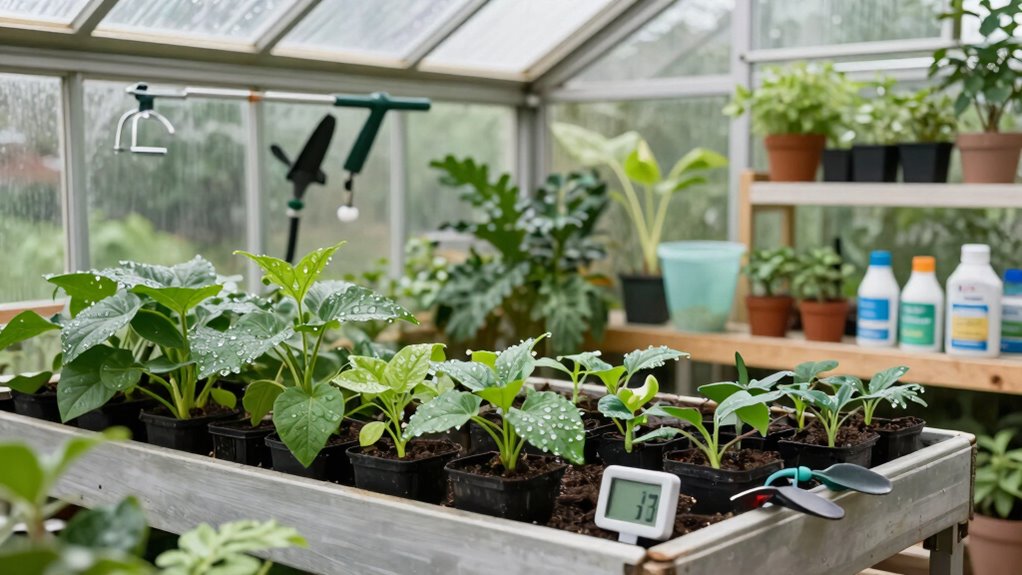
During a mid-season greenhouse checkup, you should carefully inspect plants for signs of stress, pests, or disease, and guarantee they remain vigorous. Confirm your watering and fertilization plans are working properly, adjusting as needed to prevent over- or underwatering. Check environmental controls like ventilation, temperature, and humidity for ideal conditions, and clean filters and vents. Regularly track pest management efforts and system functionality to keep everything running smoothly—continue exploring for more tips to boost your greenhouse’s success.

Get garden gear delivered free with Prime
- Fast, free delivery on millions of items
- Prime Video, Amazon Music and more included
- Member-only deals all year
Key Takeaways
- Inspect plants for signs of stress, pests, and diseases, and address early symptoms to prevent escalation.
- Review and adjust watering and fertilization schedules based on plant needs and soil nutrient levels.
- Check greenhouse environment controls—ventilation, humidity, and temperature—for optimal conditions.
- Monitor and manage pests with preventive and targeted strategies, tracking effectiveness over time.
- Ensure cleanliness and functionality of systems and tools to maintain a healthy, productive growing environment.
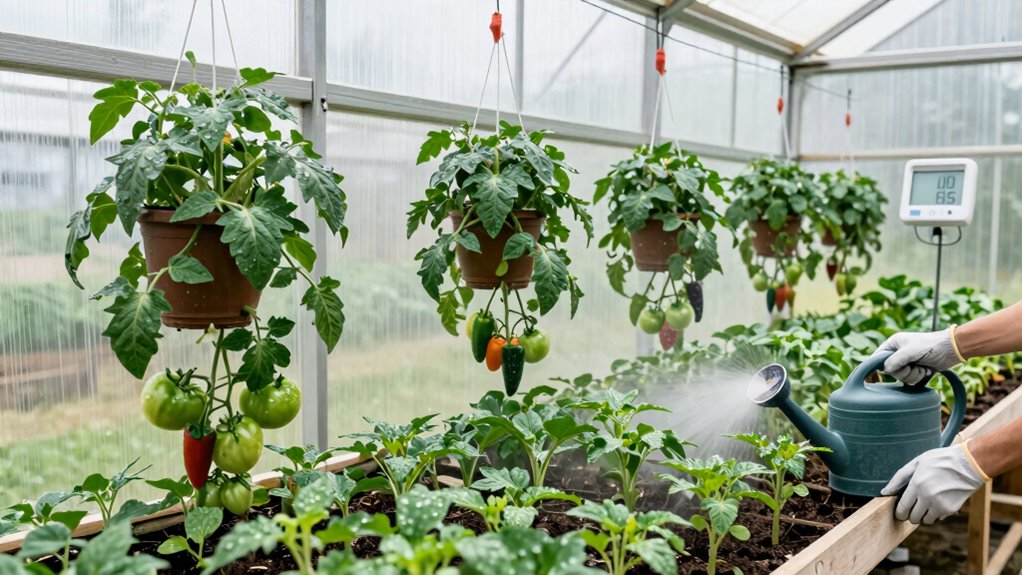
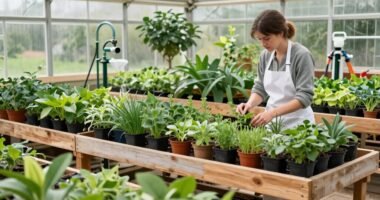
As your greenhouse reaches the midpoint of the season, it’s the perfect time to evaluate its condition and make certain your plants continue to thrive. A thorough checkup helps you catch issues early, guaranteeing your plants stay healthy and productive. Start by inspecting your plants closely. Look for signs of stress, disease, or pests that may have appeared since your last assessment. Check the leaves, stems, and roots, paying attention to any discoloration, spots, or unusual growth. Healthy plants typically show vigorous growth and vibrant foliage, so any deviations might indicate underlying problems. Keeping an eye on plant health is vital for early detection and prompt action, preventing minor issues from becoming major setbacks. Additionally, considering indoor air quality and airflow can have an impact on plant health and pest prevention. Proper ventilation not only helps regulate temperature but also reduces humidity, which is crucial for preventing fungal issues. Improving air circulation within the greenhouse can further support healthy plant growth and pest control efforts.
Mid-season checkup ensures healthy, thriving plants through early detection of issues.
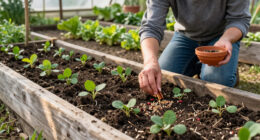
Next, review your watering and fertilization routines. Proper hydration and nutrition are essential for maintaining plant health. Confirm your watering system is functioning correctly, and adjust your schedule if you notice signs of overwatering or underwatering—wilting, yellowing leaves, or root rot are common indicators. Also, evaluate your fertilization plan; plants may need additional nutrients during the peak growing season. Use a balanced fertilizer suited to your plant types, and consider supplementing with organic amendments if necessary. Maintaining ideal nutrient levels supports vigorous growth and resilience against pests and diseases. Regularly testing soil or growing media can help you better understand your plants’ specific nutrient needs and avoid deficiencies or excesses.
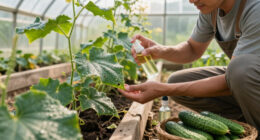
Pest management is another vital aspect of your mid-season checkup. Regularly inspect plants for pests like aphids, spider mites, or whiteflies. Use a magnifying glass if needed, as early detection is key to controlling infestations. If you spot pests, act quickly with integrated pest management strategies—remove visible pests manually, introduce beneficial insects, or apply organic pesticides if necessary. Preventative measures, such as sticky traps or neem oil, can help deter future outbreaks. Staying vigilant helps you keep pest populations under control, reducing damage to your plants and minimizing the need for chemical interventions. Regular monitoring also helps you track the effectiveness of your pest control efforts over time. Incorporating pest prevention strategies early on can save you considerable time and resources later.
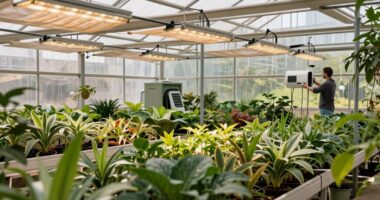
Finally, assess your greenhouse environment. Check the ventilation, humidity levels, and temperature controls to guarantee they’re functioning properly. Proper airflow reduces humidity that can promote fungal diseases and discourages pests. Make sure your shading and heating systems are adjusted for the current season, and clean your filters and vents. A well-maintained environment not only supports plant health but also creates a less hospitable place for pests. By systematically reviewing these areas, you give your greenhouse the best chance to produce healthy, thriving plants for the rest of the season. Ensuring the greenhouse environment is optimized can significantly improve overall plant performance and disease resistance. Regularly calibrating your environmental controls helps maintain consistent growing conditions, which is essential for optimal plant development.
As an affiliate, we earn on qualifying purchases.
Frequently Asked Questions
How Often Should I Perform a Greenhouse Checkup?
You should perform a greenhouse checkup every two to four weeks. During this time, focus on evaluating plant health and conducting soil testing to catch any issues early. Regular checkups help you monitor pests, diseases, and nutrient levels, ensuring peak growth. By staying proactive, you can adjust watering, fertilizing, or ventilation as needed, keeping your greenhouse environment balanced and your plants thriving throughout the season.
What Tools Are Essential for a Greenhouse Inspection?
You’ll need essential tools like a soil moisture meter to check watering levels and a sturdy ladder or scaffolding to inspect structural integrity. A flashlight helps you see cracks or damages in the frame, while a screwdriver allows you to tighten loose fittings. Don’t forget a clipboard and pen for notes. These tools guarantee thorough inspections, helping you maintain ideal conditions for your plants and prevent potential issues.
How Can I Improve Greenhouse Ventilation During the Season?
Imagine stepping into your greenhouse on a hot day—your plants need better airflow enhancement. To boost ventilation during the season, you can upgrade your ventilation systems with automated vents or exhaust fans that activate automatically. Open windows strategically to create natural cross-ventilation, and consider installing oscillating fans to improve air circulation. Regularly monitor humidity and temperature to guarantee your ventilation system works efficiently, keeping your plants healthy.
What Are Common Pest Issues Mid-Season?
Mid-season, you often face pests like aphids, whiteflies, and spider mites. To combat these, introduce natural predators such as ladybugs and predatory mites. Also, consider planting pest-resistant plants that deter or tolerate pests better. Regularly inspect your plants for signs of infestation, remove affected leaves, and maintain cleanliness to prevent pest buildup. Combining biological controls with resistant plants helps keep pest issues manageable during the season.
When Should I Start Planning for the Next Planting Cycle?
Back in the day, folks knew it was time to plan when the first buds of spring appeared. You should start planning your next planting cycle now, during your mid-season checkup. Focus on crop rotation and soil health to prevent pests and diseases. Assess your current plants, amend soil as needed, and sketch out a schedule. This proactive approach keeps your greenhouse thriving and ready for a successful season ahead.
Conclusion
Regularly inspecting your greenhouse mid-season keeps your plants healthy and your harvest on track. Check for pests, guarantee proper watering, and adjust temperatures as needed. Remember, a stitch in time saves nine—catching issues early prevents bigger problems later. Stay attentive and proactive, and your greenhouse will reward you with a bountiful season. Keep up the good work, and your plants will thank you with lush growth and vibrant blooms!
Halloween Picks
halloween
As an affiliate, we earn on qualifying purchases.