Start your spring cleaning by checking for and sealing leaks around windows, pipes, and the foundation to prevent water damage and pests. Declutter high-traffic areas and use clear, labeled containers for easy access. Clear gutters and outdoor spaces of debris to reduce pest hideouts. Deep clean bathrooms and kitchens to control mold and allergens, and wash windows, curtains, and bedding to improve indoor air quality. Keep moisture low with good ventilation—keep going, and you’ll discover even more ways to protect your home this summer.

Get garden gear delivered free — and shop member deals
- Fast, free delivery on millions of items
- Access to Prime Big Deal Days deals on October 6–7
- Prime Video, Amazon Music and more included
Key Takeaways
- Conduct thorough roof and gutter inspections to prevent water damage and pest entry during summer rains.
- Declutter and organize storage areas with moisture-resistant containers to reduce pest hiding spots and mold growth.
- Deep clean surfaces and check for leaks to prevent mold, mildew, and pest infestations before hot weather arrives.
- Seal cracks and gaps in the foundation and around windows to keep pests out and maintain home insulation.
- Improve indoor air quality with regular ventilation, filter replacements, and moisture control to ensure a healthy summer environment.
As an affiliate, we earn on qualifying purchases.
Check and Seal Leaks to Prevent Water Damage and Pests
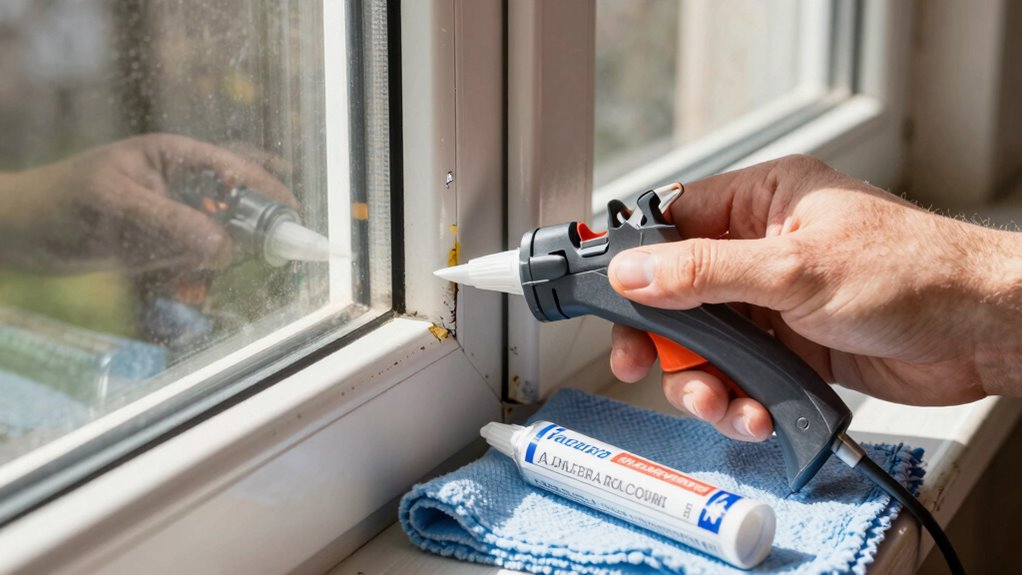
Have you ever noticed water stains or mold around your windows or pipes? These signs often point to leaks that need sealing. Begin with a roof inspection to identify damaged shingles or gaps where water can seep in. Proper roof maintenance prevents leaks from above, saving you headaches later. Don’t forget about foundation sealing—cracks or gaps in your foundation allow water to enter and attract pests. Seal any openings to keep moisture out and protect your home’s structure. Regularly inspecting and sealing leaks is essential for water damage prevention and pest control. Acting early ensures your home stays dry and pest-free throughout the season. Take the time now to check, repair, and seal to safeguard your home’s integrity.
Declutter and Clean High-Traffic Areas for Pest Prevention
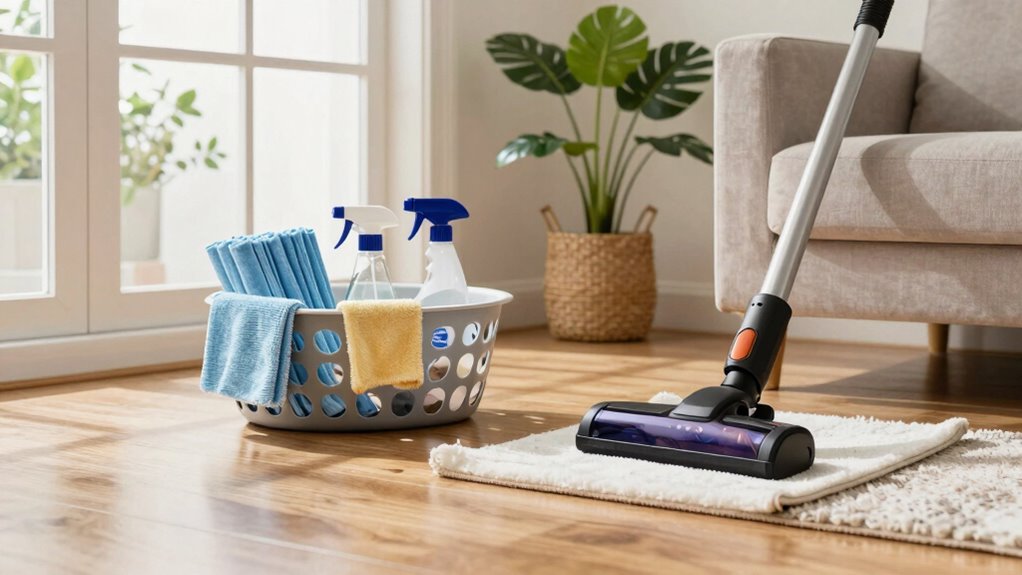
Keeping high-traffic areas free of clutter and thoroughly cleaning surfaces helps prevent pests from hiding and thriving. Regularly clearing out unnecessary items reduces potential nesting sites, while deep cleaning eliminates food crumbs and residue. Staying on top of these tasks is key to maintaining a pest-free home. Additionally, incorporating sound vibrations through gentle music or calming sounds can help create a less stressful environment, which may indirectly support pest deterrence by promoting overall household harmony. Using electric bikes or other eco-friendly transportation options can also reduce outdoor clutter and noise, contributing to a more orderly and pest-resistant environment. Implementing cleaning routines that focus on high-touch surfaces further minimizes the risk of pest attraction and proliferation. Regularly inspecting and maintaining ventilation systems can also help prevent moisture buildup, which attracts certain pests. Proper water damage prevention and repair play a crucial role in reducing moisture-related pest issues as well.
Clear Clutter Regularly
Regularly clearing clutter is essential to prevent pests from taking hold in your home. Hidden corners and corners behind furniture often collect unnecessary items that can harbor pests or attract them. By decluttering these areas, you reduce hiding spots and make inspections easier. Seasonal storage can pile up in high-traffic zones, creating clutter that pests find appealing. Keep these areas tidy by regularly sorting through items, discarding what you no longer need, and storing seasonal belongings properly. Use sturdy containers to prevent pests from accessing stored items. Clearing clutter not only makes your space look cleaner but also helps you identify potential pest entry points early. Incorporating landscaping into your cleaning routine can further reduce pest attractions around your home. Additionally, understanding contrast ratio and other visual factors can help you spot pest activity or damage more effectively. Maintaining proper water management around your property can also prevent excess moisture that attracts pests. Consistent organization and removal of unnecessary clutter keep your home less inviting to pests and ready for a thorough spring cleaning.
Deep Clean Surfaces
Did you know that high-traffic areas are prime spots for pests to hide and thrive? To prevent problems, focus on deep cleaning these spaces. Start by decluttering to eliminate hiding spots, then use cleaning tools like scrub brushes and microfiber cloths to remove dirt and debris. Next, apply surface disinfectants to thoroughly sanitize countertops, sinks, and floors. Pay special attention to corners and edges where grime tends to accumulate. Regularly disinfecting high-touch surfaces reduces pest attraction and prevents infestations. Remember, pests are drawn to food crumbs, grease, and moisture, so keeping surfaces clean and dry is essential. By deep cleaning and disinfecting these areas, you’ll create a less inviting environment for pests and set the stage for a pest-free summer.
Clear Gutters and Outdoor Spaces to Keep Pests Away

Clearing your gutters and outdoor spaces is a crucial step in preventing pests from taking hold around your home. Regular gutter maintenance helps prevent water buildup, which attracts insects and rodents. Clearing debris from driveways, patios, and yards reduces hiding spots for pests and discourages nests. Keeping shrubs and tall grass trimmed limits pest entry points and reduces outdoor pest control issues. Additionally, removing stagnant water from birdbaths or planters prevents mosquito breeding. To stay informed about local regulations and store policies, consider checking store hours and return policies before purchasing outdoor supplies. These steps help keep pests at bay and protect your home from summer infestations. Regularly inspecting and maintaining outdoor landscaping features can further reduce pest habitats and ensure a pest-free environment, especially when combined with outdoor pest prevention techniques. Understanding the importance of property maintenance can also help you identify potential pest entry points early on.
Deep Clean Bathrooms and Kitchens to Stop Mold and Allergens
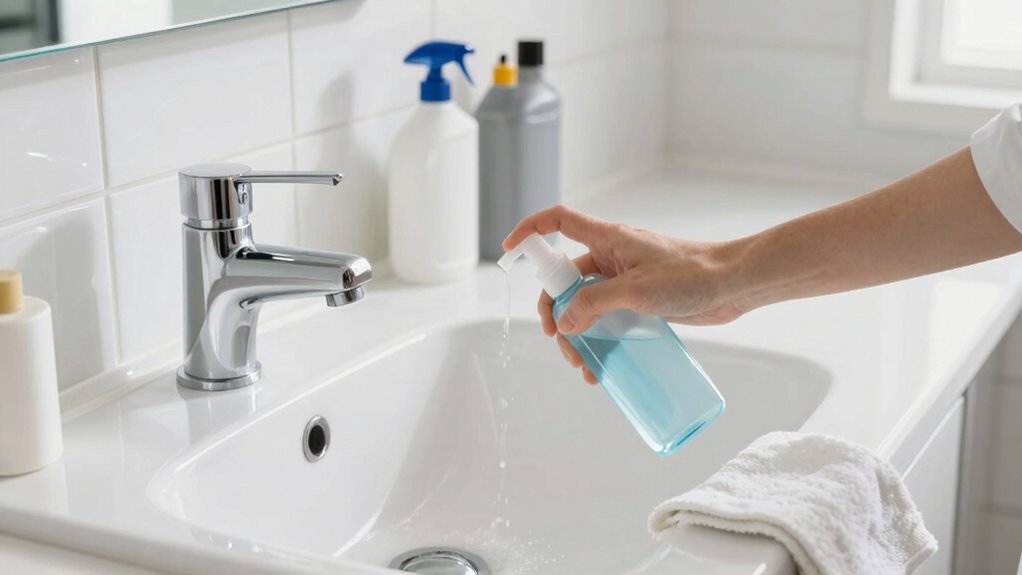
After tidying up your outdoor spaces, it’s equally important to turn your attention indoors to prevent mold growth and reduce allergens. Focus on deep cleaning bathrooms and kitchens, where moisture and dirt can foster mold and allergens. Use mold prevention techniques like scrubbing grout lines and wiping down surfaces regularly. In the table below, you’ll see key areas to target:
| Area | Action |
|---|---|
| Shower/Bathtub | Scrub tiles and dry thoroughly |
| Sinks & Faucets | Remove soap scum, check for leaks |
| Counters & Floors | Disinfect and ensure proper ventilation |
Regularly inspecting for early signs of issues, such as mild discoloration, can help prevent more serious problems like mold development. Additionally, maintaining good indoor air quality by reducing microplastics in dust can significantly improve your home’s health environment. Using proper cleaning tools and techniques for moisture control can further enhance your efforts. This routine helps control allergens and keeps mold at bay, making your home healthier for summer.
Wash Windows, Curtains, and Bedding to Reduce Allergies

Have you considered how much dust, pollen, and allergens can accumulate on your windows, curtains, and bedding? These often-overlooked areas can worsen allergy symptoms and cause discomfort. To promote allergy reduction, wash your windows, curtains, and bedding thoroughly. This process removes trapped pollutants, dust mites, and pet dander.
- Use hot water and hypoallergenic detergents
- Regularly dust and vacuum window frames and curtains
- Rotate and wash bedding weekly, especially pillowcases and comforters
- Incorporate fresh fragrances with natural essential oils during cleaning
- Ensuring your gear care routine includes cleaning these areas can further improve indoor air quality and DIY safety tips, making your cleaning routine both effective and safe.
- Additionally, choosing appropriate storage solutions can help keep dust and allergens at bay between cleanings.
- Regularly inspecting and replacing air filters can also significantly reduce airborne allergens and improve overall air quality.
- Maintaining proper air circulation by opening windows when weather permits can help reduce indoor allergen buildup.
Organize Storage Areas to Minimize Clutter and Moisture Risks
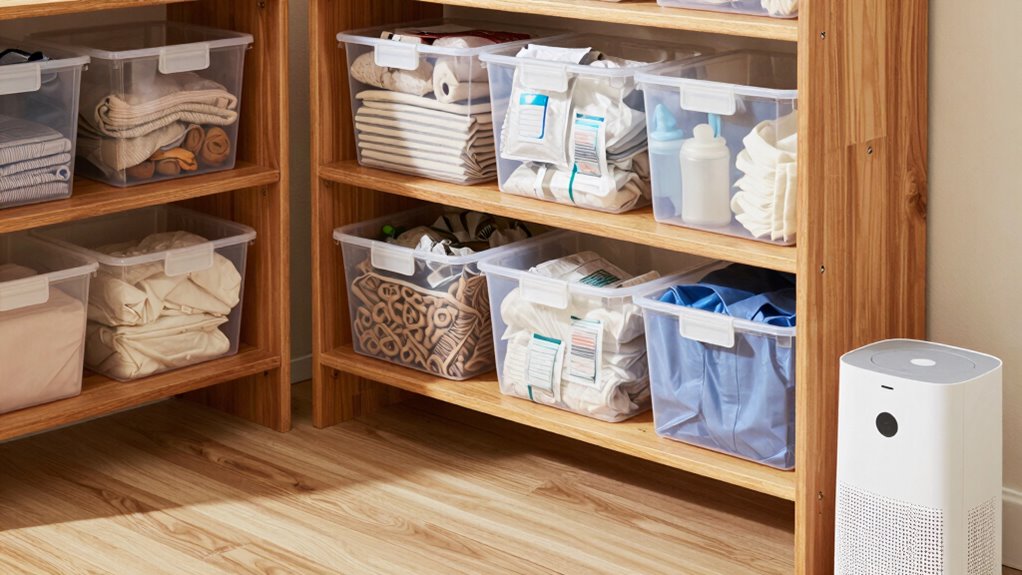
Organizing your storage areas is essential for reducing clutter and preventing moisture buildup that can lead to mold and mildew. Start by decluttering and removing unnecessary items to improve storage optimization. Use clear bins and labels to keep things visible and accessible, which aids clutter reduction. Guarantee items are dry before storing, as moisture promotes mold growth. Ventilate the space regularly and consider adding dehumidifiers if needed. Check for leaks or water damage and repair them promptly. Elevate stored items off the floor to prevent exposure to dampness. Keep bins sealed tightly to avoid pests and moisture infiltration. Implementing proper ventilation is crucial in managing moisture levels effectively. Additionally, choosing storage containers made from moisture-resistant materials can help preserve your belongings and prevent mold issues. Incorporating moisture control methods can further enhance indoor air quality and protect stored items. Proper storage practices are also vital for humidity control, which maintains overall indoor air quality and prevents conditions conducive to mold growth. Ensuring proper storage practices can also support the development of AI-powered inventory management systems, which are increasingly used to optimize home organization. By streamlining your storage areas, you create a cleaner, safer environment that minimizes risks and makes your home more organized.
Frequently Asked Questions
How Often Should I Perform These Spring Cleaning Tasks Annually?
You should perform home organization and outdoor maintenance tasks at least once a year. Spring is the perfect time to tackle deep cleaning, organize closets, and clean gutters before summer. Regularly maintaining outdoor spaces, like checking fences or garden tools, helps prevent bigger issues later. By staying consistent, you guarantee your home stays in top shape, reducing summer problems and making your living space more comfortable and enjoyable.
What Eco-Friendly Cleaning Products Are Safest for My Family and Pets?
Think of eco-friendly alternatives as your home’s gentle guardians, protecting your loved ones and the environment. You should choose products with pet-safe ingredients like vinegar, baking soda, and lemon, which naturally break down grime without harmful chemicals. These options are safe for your family and pets, ensuring your cleaning ritual nurtures your space rather than harms it. Embracing these natural solutions keeps your home healthy and vibrant all season long.
Are There Specific Tools Recommended for Effective Gutter Cleaning?
For effective gutter cleaning, you should use specific tools like a sturdy gutter scoop, a trowel, or a garden trowel to remove debris. A lightweight, extendable gutter cleaning wand makes reaching high or awkward spots easier, while a sturdy ladder guarantees safety during gutter maintenance. Don’t forget to wear gloves to protect your hands. These cleaning tools help you efficiently clear your gutters, preventing blockages and water damage before summer arrives.
How Can I Prevent Pests From Returning After Cleaning?
Think of your home as a fortress; to keep pests out, you must reinforce its walls. After cleaning, focus on pest prevention by sealing cracks, fixing leaks, and clearing debris. Use cleaning tips like vacuuming thoroughly and disposing of waste properly. Regular inspections and maintaining a tidy yard also act as shields, preventing pests from sneaking back in. Consistency is key to keeping your home pest-free all summer long.
What Signs Indicate I Need Professional Help for Leaks or Mold?
You should seek professional help if you notice signs of water intrusion, such as persistent dampness, or mold growth indicators like musty odors and visible black or green patches. These signs suggest hidden leaks or moisture buildup that can lead to health issues and structural damage. Don’t ignore these warnings—getting experts involved promptly guarantees proper detection and remediation, preventing costly repairs and maintaining a healthier home environment.
Conclusion
By tackling these spring cleaning tasks, you’re opening the door to a brighter, pest-free summer. Think of your home as a garden — with care and attention now, you’ll prevent pesky problems from taking root later. Embrace this checklist as your shield against water damage, allergies, and pests. When you finish, you’ll feel the satisfaction of a fresh start, turning your home into a safe haven that blooms with comfort and peace all season long.
Fall yard work Picks
leaf blowers
As an affiliate, we earn on qualifying purchases.