
TL;DR

Get garden gear delivered free with Prime
- Fast, free delivery on millions of items
- Prime Video, Amazon Music and more included
- Member-only deals all year
Gardening Know How recommends eight steps to make frequently used garden areas less attractive to snakes in fall, including clearing clutter, mowing grass and sealing gaps. Its advice singles out October, when cooling temperatures may lead snakes to seek winter shelter, but the article does not provide independent evidence that the month is the “very best” time or that the steps will keep all snakes away.
Gardening Know How has published an eight-step guide to making garden areas less attractive to snakes in fall, recommending measures such as clearing hiding places, trimming grass and sealing gaps in sheds. The report describes October as the best time to act, arguing that snakes may be searching for winter shelter as temperatures cool; it does not cite research establishing that October is the best month or guarantee that the steps will prevent encounters.
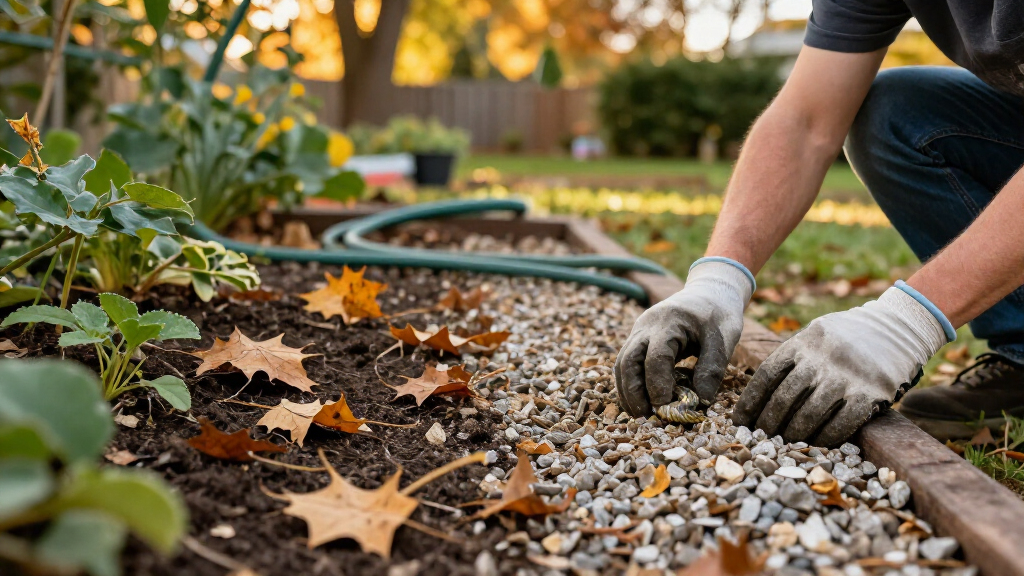
The recommendations focus on reducing cover and food around parts of a yard people use. The guide advises identifying cool, damp, dark and undisturbed areas, clearing clutter near the house, trimming vegetation, and removing fallen leaves. It suggests keeping grass at 3 inches or less and cutting back low shrub branches so the ground beneath them is more exposed. Homeowners who want to retain wildlife habitat can leave shelter in less-used corners, the report says.
Other measures target bedding material, prey and access points. The article recommends using fine compost instead of straw or chunky bark mulch, reducing spilled birdseed that can attract rodents and insects, and closing gaps into sheds, summerhouses or homes. It also urges caution when clearing possible snake cover: use tools rather than hands, and do not rely on ordinary gardening gloves to prevent bites. These are the source’s recommendations, not a tested guarantee of snake removal.
Reducing Cover Around Outdoor Spaces
Snakes may be welcome in some parts of a garden because, as the report notes, they can eat rodents, slugs and insects. But people may want to lower the chance of encountering one around paths, patios, sheds and the house. The proposed steps offer practical ways to change those frequently used areas without treating every snake as a pest or requiring removal of all wildlife shelter.
The advice also carries a safety point: clearing a hiding place can bring a person close to an animal that has not been seen. The report warns that ordinary gloves may not stop a fang, so readers should avoid reaching into piles or dense cover by hand. It does not give region-specific instructions for identifying venomous species or contacting wildlife services; local guidance may be needed where snake encounters pose a risk.
long handled garden rake for clearing leaves and yard debris
As an affiliate, we earn on qualifying purchases.
As an affiliate, we earn on qualifying purchases.
Why the Guide Focuses on October
The report’s seasonal argument is that falling temperatures prompt reptiles to seek protected places to spend winter in brumation, a dormant period described as similar to hibernation but less deep. It says snakes may begin searching for frost-free shelter when temperatures fall to about 60°F, and that October can also bring increased feeding as they store body fat. These timing and behavior statements are presented by Gardening Know How; the material provided does not identify a scientific study or specify how they vary by species or region.
The guide also says snakes may return to the same areas to brumate and breed, and gives a typical litter size of 10 to 30 young for a female. Those details are not accompanied by citations in the supplied report. The article’s central approach is habitat modification: make the places people use less sheltered and less rewarding, while allowing wildlife cover to remain farther from the home.
Limits of the Seasonal Advice
The source does not provide experimental results showing how effective each step is, compare October with other months, or explain whether the recommendations apply equally across the United States. Snake behavior varies by species and local climate, and the article’s stated temperature threshold should not be treated as a precise trigger for every reptile or location.
It is also unclear whether the guide’s claim that only a quarter of native U.S. snake species are venomous uses a defined species list or classification. Readers should not assume an unfamiliar snake is harmless based on general statistics. The report gives no local snake-identification resources, wildlife agency contacts or instructions for responding to a snake already inside a building.
Practical Steps for Fall Yard Work
The report’s next step for readers is to inspect the areas they regularly use and address cover, food and openings in a manageable order: clear clutter carefully, trim grass and vegetation, limit spilled birdseed, and close entry gaps. When working near a suspected hiding place, use tools and keep hands out of piles; the source advises doing repairs in daylight, when snakes may be active outside their shelter.
Anyone who finds a snake indoors or is uncertain about a potentially dangerous species should consult local wildlife or public-safety guidance rather than attempt to handle it. The source does not announce follow-up research or a formal evaluation of the eight measures, so their local effectiveness remains unverified.
Key Questions
Why does the report recommend October?
Gardening Know How says cooling fall weather may lead snakes to seek winter shelter and that they may be feeding to build energy reserves. The report does not establish October as the best month through comparative research, and timing can vary with local weather and species.
What are the main steps for discouraging snakes?
The guide recommends clearing clutter, mowing grass to 3 inches or less, pruning low shrub branches, using fine compost mulch, reducing spilled birdseed, and sealing gaps in outbuildings and homes. It also advises keeping some wildlife shelter in less-used areas if desired.
Should I remove all snakes from my garden?
No such recommendation appears in the report. It notes that some snakes eat rodents and garden pests, and frames the steps as a way to make areas people regularly use less attractive, rather than eliminate wildlife from the entire yard.
Are ordinary gardening gloves enough protection?
The source says not to rely on ordinary gardening gloves when clearing possible snake cover, because fabric may not prevent a bite. It advises using tools rather than hands. Do not handle an unidentified snake; seek local wildlife guidance if one is found.
Source: rss
Halloween Picks
halloween
As an affiliate, we earn on qualifying purchases.