TL;DR

Get garden gear delivered free with Prime
- Fast, free delivery on millions of items
- Prime Video, Amazon Music and more included
- Member-only deals all year
Country Living reports three measures gardeners can take in autumn to reduce slug and snail damage to hostas next spring: remove yellowing leaves, inspect nearby hiding places for overwintering pests and put copper tape around container rims. The steps may deter or reduce pests, but the report says they cannot eradicate them; copper does not kill slugs or snails.
Country Living has outlined three autumn measures gardeners can take to limit slug and snail damage to hostas next spring: clear away yellowing leaves, look for overwintering pests and install copper tape around container rims. The advice focuses on reducing shelter and access, not eliminating the pests; the report says it is impossible to remove every slug and snail from a garden.
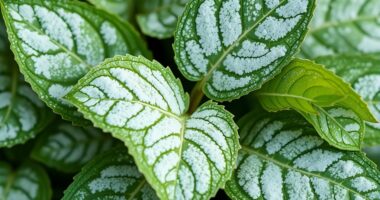
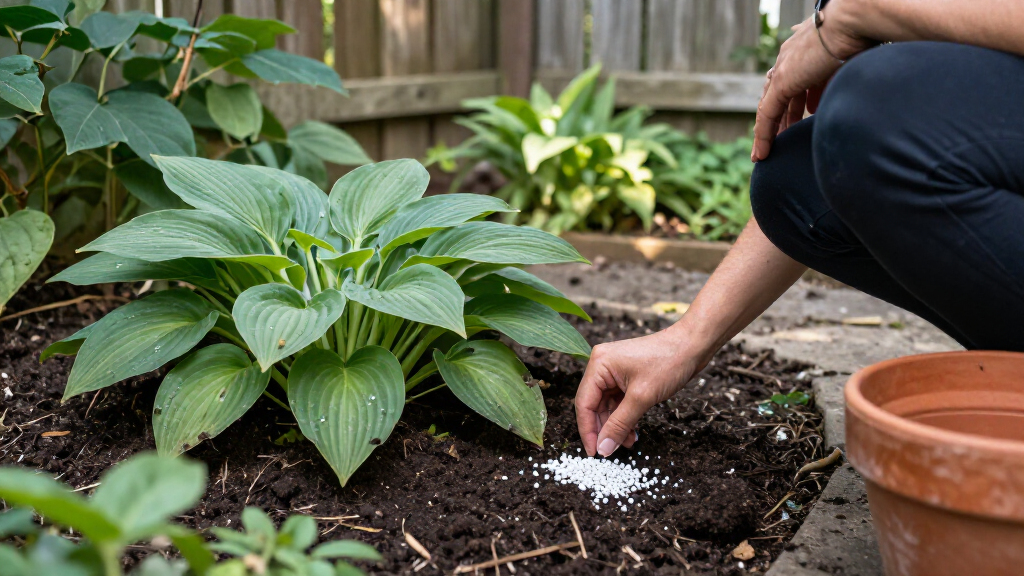
The first step is to remove yellowing, withered or mushy hosta leaves, which can provide shelter for slugs and snails. Country Living quotes garden designer Andrew Marshall, founder of Go Wild Landscapes in Oxford, saying that hostas offer pests cover and can be a few degrees warmer than surrounding areas. The report advises using a rake to reach between plants, or pulling off soft, mushy leaves, then disposing of the material, including by composting.
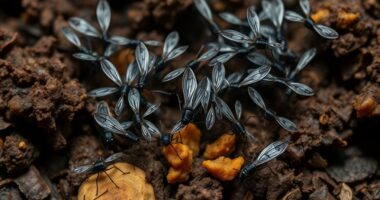
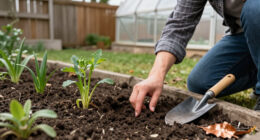
The second step is to check places where snails and slugs may shelter through winter. The report recommends inspecting soil around hostas and the undersides of nearby pots, bricks, logs and boards for pests or clusters of clear, bead-like eggs. It also suggests hand-picking snails at night. Clearing topsoil around plants is presented as another way to disrupt overwintering, though the report does not give a depth or specify how much soil to remove.
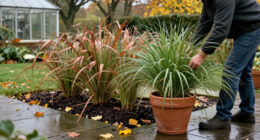
For hostas in containers, the third measure is to wrap copper tape completely around the pot rim. Andrew Salisbury, Head of Plant Health at RHS Garden Wisley, told Country Living that copper has a repellent, irritating effect on slugs and snails, but does not kill them or reduce their numbers. The tape must remain clear of debris and form an unbroken barrier to work as described.
Reducing Shelter Before Spring
Hostas are grown for their foliage, and slug or snail feeding can leave leaves visibly damaged during the growing season. The report’s advice matters because it shifts some pest management to autumn, when gardeners can remove older growth and inspect likely hiding places before hostas return to active growth. These are preventive steps, not a guarantee that plants will be undamaged.
The distinction is particularly relevant for copper tape: it can act as a barrier on a container, but the source does not describe it as a way to reduce the overall garden population. Gardeners with hostas planted in the ground also cannot use a pot-rim barrier for those plants, so leaf removal and inspections are the more directly applicable recommendations.
Products Worth Considering

VEVOR Walk-In Tunnel Greenhouse with Watering System, 15 x 7 x 7 ft

Husqvarna 122C 22-cc 2-Cycle Gas String Trimmer, 17-Inch Curved Shaft

Greenworks 60V Cordless Leaf Blower with 2.5 Ah Battery and Charger
As an affiliate, we earn on qualifying purchases.
Why Autumn Checks Matter
Country Living says autumn is a period when slugs and snails may lay eggs around hostas, with cooler temperatures and steady rainfall contributing to conditions they favor. The article also describes protected soil and material around plants as potential overwintering places. This timing is the basis for doing cleanup and checks now rather than waiting for new hosta growth in spring.
The report presents advice from two named gardening specialists: Andrew Marshall on shelter and older foliage, and Andrew Salisbury on copper barriers. It does not cite a controlled trial, quantify how much damage the measures prevent, or compare their effectiveness with other pest-management methods. Its recommendations should be read as practical deterrence and monitoring guidance rather than a measured forecast of results.
“Slugs and snails love to hide around these plants as they provide great shelter as well as being a few degrees warmer than elsewhere.”
— Andrew Marshall, founder of Go Wild Landscapes in Oxford, as quoted by Country Living
Limits of the Prevention Advice
The source does not quantify the reduction in hosta damage gardeners might expect, explain how often checks should be repeated, or establish how effective each step is under different garden conditions. It also does not specify how much topsoil to clear or whether composting damaged leaves affects pest survival. The article advises composting soft leaves but provides no separate guidance on handling material containing visible eggs or pests.
Results may depend on the site and on whether slugs and snails can reach hostas through routes other than a container rim. The report expressly says that complete eradication is not possible and that copper does not kill the animals or lower their numbers.
Autumn Tasks, Spring Check
Gardeners following the report can begin by removing deteriorated leaves, then inspect the soil and nearby objects for snails and egg clusters. For container-grown hostas, they can fit copper tape around the rim and keep the barrier free of debris. The report gives no calendar deadline beyond recommending that these actions be taken in autumn.
In spring, gardeners can check hosta leaves for fresh feeding damage and continue monitoring plants and their surroundings. Country Living does not identify a specific follow-up treatment or promise a particular outcome, so the extent of any benefit will remain dependent on local pest activity and the condition of each garden.
Key Questions
What are the three steps recommended for hostas?
Remove yellowing or mushy leaves, check soil and nearby objects for overwintering slugs, snails and eggs, and put copper tape around the rims of hosta containers.
Does copper tape kill slugs and snails?
No. Andrew Salisbury of RHS Garden Wisley told Country Living that copper can have a repellent effect, but does not kill the pests or reduce their numbers. The tape should completely encircle the pot rim and remain free of debris.
Where should gardeners look for overwintering snails?
The report recommends checking around hostas and beneath nearby pots, bricks, logs and boards. Gardeners can also look for clusters of clear, bead-like eggs and hand-pick snails at night.
Will these steps prevent all slug damage next spring?
No guarantee is given. Country Living says it is impossible to eradicate all slugs and snails from hostas. The measures are intended to reduce shelter or deter access, and the report does not quantify their likely effect.
Source: countryliving.com