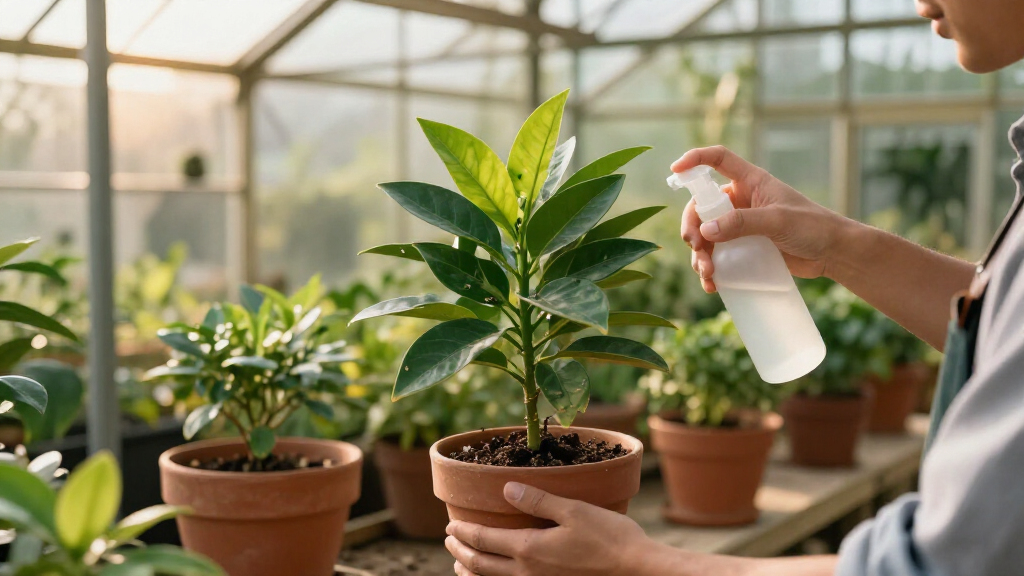

TL;DR

Get garden gear delivered free with Prime
- Fast, free delivery on millions of items
- Prime Video, Amazon Music and more included
- Member-only deals all year
Gardening Know How advises checking plants for scale insects before bringing summer containers indoors for fall. The report recommends isolating affected plants, removing small infestations by hand and repeating any spray treatment according to its label, while checking plants weekly through winter.
Gardening Know How is urging plant owners to inspect outdoor houseplants for scale insects before bringing them inside for fall, warning that pests hidden on stems and leaf undersides can spread indoors. The report recommends checking plants outdoors, isolating any with scale and continuing weekly inspections through winter.
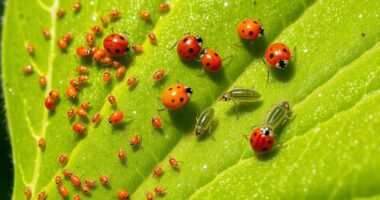
Scale insects feed by inserting a thin, straw-like mouthpart into a plant’s stem or leaf. Adults often sit beneath a hard or waxy covering and may look like small bumps rather than insects. The report says to check stems, leaf veins and the undersides of leaves, using a magnifying glass if needed. With soft scale, sticky honeydew on leaves or nearby surfaces can be another clue; sooty mold may grow on the residue.
The report recommends moving a plant with suspected scale away from other plants and washing hands and tools after handling it. A small number of insects can be removed by rubbing them with a cotton swab dipped in isopropyl alcohol, or by using a fingernail, toothpick or soft toothbrush. It advises testing alcohol on one leaf and waiting a day or two to check for damage. The insect covers need to be removed; spraying or wetting them may not reach eggs beneath them.
For heavier infestations, the report describes horticultural oil and insecticidal soap as options, applied to stems and both sides of leaves. It says newly hatched crawlers are more vulnerable than adults beneath thick coverings, so follow-up treatments may be needed. It cites two or three applications spaced 10 to 16 days apart as a common schedule, but says the product label takes precedence. Test products on a few leaves first; the report cautions that soap can damage jade plants and ferns. Use any pesticide only as its label directs, including required protective equipment, and check that it is labeled for the plant and intended use. Edible plants such as citrus and bay laurel need particular care because not every product is labeled for food plants.
Preventing Pests From Spreading Indoors
Moving a plant indoors can also move any scale living on it. The report says outdoor cold nights can slow scale and predators such as lady beetles and tiny wasps may consume some, while indoor conditions remove those checks. Once inside, crawlers can move between plants when leaves touch or be carried on hands and tools.
Early detection matters because an adult’s covering can limit the reach of sprays, and new crawlers may continue to hatch over winter. Regular inspection and isolation can help keep a problem on one plant rather than allowing it to spread through a collection. The report says a plant heavily covered with scale may be better discarded, though that decision depends on the plant and the extent of infestation.
handheld magnifying glass for inspecting plant pests
As an affiliate, we earn on qualifying purchases.
As an affiliate, we earn on qualifying purchases.
Why Fall Inspections Matter
The guidance focuses on plants that spent summer outdoors and are being brought inside as nights turn cold, often in October. Citrus, jade, hibiscus, ficus, bay laurel, oleander and orchids are among the hosts named, but the report says many other tropical houseplants can also be affected.
Scale varies in appearance. Brown soft scale is rounded or slightly domed, while armored types such as fern scale are smaller and flatter. The report says an armored cover may lift away when pried, leaving the insect beneath. Because dead scale can remain attached for months, a bump’s presence alone does not prove it is alive; the report suggests checking a suspected scale with a toothpick for a wet smear.
After treatment, Gardening Know How recommends examining plants weekly through winter, including plants that showed no scale. Pay particular attention to new growth, leaf joints and leaf undersides. A strip of double-sided tape around a stem may catch crawling insects, while the report says sticky cards aimed at flying pests such as whiteflies and fungus gnats are not a reliable way to monitor scale.
“The best time for controlling scale insects is before the pots come inside.”
— Gardening Know How
What Treatment Can And Cannot Do
The report does not identify a particular infestation or provide data on how common scale is in household plants. Its treatment schedule is general guidance, not a guarantee that a plant will be pest-free after a set number of applications. Results can depend on the scale species, plant, product and coverage.
It also does not provide product-specific instructions for every plant or edible crop. Before using a pesticide, readers must check the label for approved plants, application directions, restrictions and protective equipment. The report advises testing for plant damage, but a small test does not establish that a product is suitable for every use. Whether a suspected bump is live scale may also require closer inspection.
Inspect Before Moving Plants
Before bringing patio plants inside, inspect stems and leaf undersides, isolate plants where scale is found and treat them outdoors when practical. If a product is used, follow its label and repeat applications only as directed. Keep affected plants separate until several weekly checks find no new scale, then continue weekly monitoring through winter.
Key Questions
How can I tell whether a plant has scale?
Look for small bumps on stems, leaf veins and leaf undersides. A magnifying glass can help. Sticky honeydew may indicate soft scale, but an attached bump can also be dead; inspect it closely before deciding.
Should I isolate a plant as soon as I find scale?
Yes. The Gardening Know How report advises moving an affected plant away from other plants and washing hands and tools after handling it. Keep it isolated until several weekly checks find no new scale.
Does one spray remove scale for good?
Not necessarily. Adult insects may be protected by their coverings, while eggs can hatch after treatment. Follow the product label for application timing and repeat treatments; the report cites two or three rounds 10 to 16 days apart as a common schedule, not a substitute for label directions.
Can I use insecticidal soap on any houseplant?
No. The report warns that soap can damage jade plants and ferns. Check the product label, test a small area first and use protective equipment as the label directs.
How often should I check plants during winter?
The report recommends weekly checks, including plants that have not shown scale. Look closely at new growth, leaf joints and the undersides of leaves.
Source: rss
Fall Picks
fall essentials
As an affiliate, we earn on qualifying purchases.