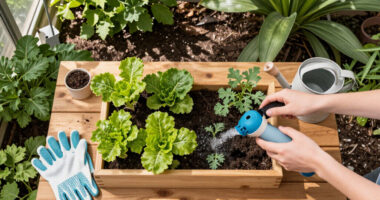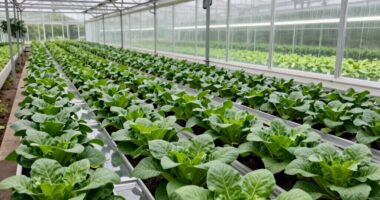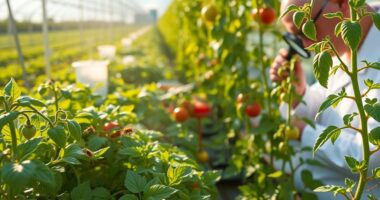
You may find routines like crop rotation, maintaining soil health, and attracting natural predators tedious, but they are essential for preventing pest problems before they start. Consistent checks, sealing cracks, and using biological controls may seem boring, yet they build resilience and save your crops from disaster. These proactive practices reduce chemical reliance and foster a balanced ecosystem. Keep going, and you’ll discover how these small efforts can make a big difference in your farming success.

Get garden gear delivered free — and shop member deals
- Fast, free delivery on millions of items
- Access to Prime Big Deal Days deals on October 6–7
- Prime Video, Amazon Music and more included
Key Takeaways
- Consistent crop rotation disrupts pest life cycles, preventing infestations before they start.
- Regularly attracting natural predators maintains ecological balance and controls pests naturally.
- Routine soil health practices foster beneficial organisms, reducing pest vulnerabilities over time.
- Monitoring pest activity and timing interventions ensures effective, targeted control efforts.
- Developing a resilient environment through routine, proactive measures minimizes chemical use and crop loss.
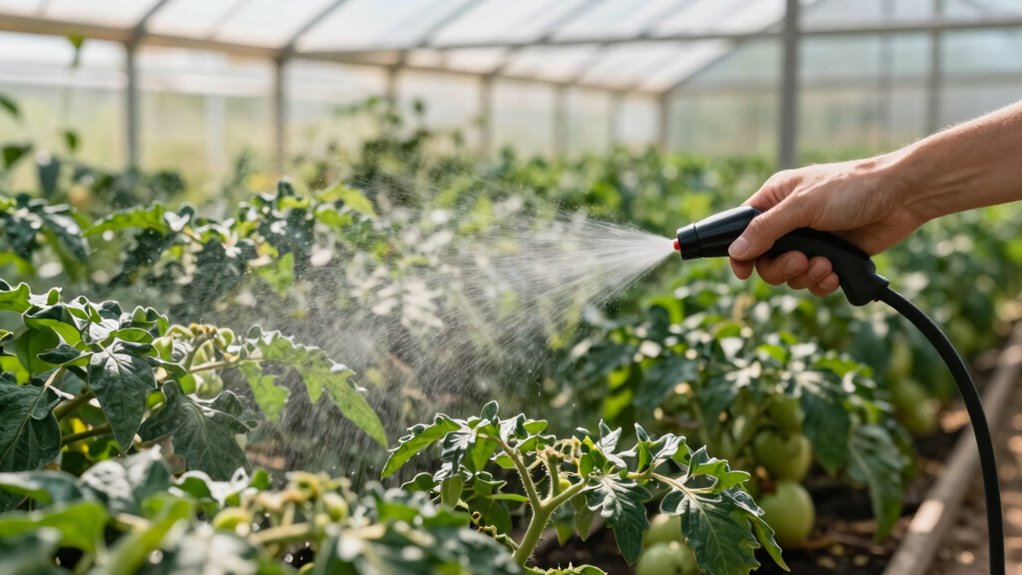
Have you ever wondered how to keep pests from invading your home before they even arrive? It’s a question that often leads to reactive measures—spraying chemicals, sealing cracks, or setting traps—but the real key lies in prevention. One effective routine involves simple yet disciplined practices like crop rotation and encouraging natural predators, which might seem dull at first but can save your crops from devastating infestations.
Crop rotation is a straightforward method that breaks the pest’s life cycle. Instead of planting the same crops in the same spot every season, you switch things up. For example, if you grow tomatoes one year, you might follow with legumes or leafy greens the next. This change confuses pests that rely on specific plants, making it harder for them to establish themselves. It’s not glamorous work, but it’s a proven way to reduce pest populations naturally. When done consistently, crop rotation minimizes the need for chemical interventions, helping your soil stay healthy and resilient.
Crop rotation disrupts pests’ life cycles, reducing infestations and promoting healthy, resilient soil naturally.
Alongside crop rotation, attracting natural predators plays a vital role. Instead of resorting to pesticides, you create an environment that encourages beneficial insects and animals to thrive. Ladybugs, predatory beetles, and parasitic wasps target common pests like aphids and caterpillars. You can promote their presence by planting flowering plants that serve as food sources or providing habitats like hedgerows or insect hotels. Creating a balanced ecosystem is essential to maintaining a natural pest control system, which takes patience and planning, but over time, it establishes a natural balance in your garden or farm. Additionally, understanding the life cycle of pests can help you better time your interventions for maximum effectiveness. Observing pest activity and understanding their behavior patterns allows for more precise and efficient control measures. Natural predators act as watchdogs, constantly keeping pest levels in check without any chemical input. Recognizing the importance of soil health can further enhance these efforts, as healthy soil supports beneficial organisms and robust plant growth, making pests less likely to gain a foothold.
Implementing these practices might feel repetitive or even mundane—watering, planning crop rotations, planting companion plants—but it’s the routine that builds a resilient system. When you stick to it, pests find fewer opportunities to settle in, and you reduce the risk of losing an entire crop to a sudden outbreak. It’s about creating a self-sustaining environment that discourages pests from becoming a threat in the first place. The effort might seem boring day-to-day, but it pays off when your crops thrive and you avoid the headaches of chemical treatments or crop failure.
In the end, this routine isn’t just about managing pests—it’s about cultivating a healthier, more balanced growing environment. By prioritizing simple, proactive strategies like crop rotation and fostering natural predators, you’re not just preventing pests; you’re building a sustainable system that can withstand the challenges of pests and pests alone. Incorporating integrated pest management techniques into your routine further enhances these efforts by combining biological, cultural, and mechanical methods for comprehensive pest control. That’s the real reward for sticking to this seemingly boring routine.
beneficial insect houses for garden
As an affiliate, we earn on qualifying purchases.
As an affiliate, we earn on qualifying purchases.
Frequently Asked Questions
How Long Does It Typically Take to See Results From the Routine?
You’ll typically see results within a few weeks of consistent pest monitoring and implementing crop rotation. Regular pest monitoring helps catch issues early, preventing major damage, while crop rotation disrupts pest life cycles, reducing infestations. Stay patient and persistent; these practices may seem slow at first, but over time, they create a healthier, pest-resistant crop environment, ultimately protecting your harvest and making the routine worthwhile.
Can This Routine Be Adapted for Different Types of Crops?
Yes, you can adapt this routine for different crops by increasing crop diversity, which helps prevent pests from establishing a foothold. Incorporate pest-resistant varieties and rotate crops regularly to maintain pest resistance. Adjust the timing and methods based on the specific crop’s growth cycle and pest threats. This flexibility guarantees your routine remains effective across diverse crops, ultimately safeguarding your harvests and promoting sustainable farming practices.
What Are Common Mistakes to Avoid During the Routine?
You should avoid neglecting pest identification, which helps target specific pests effectively. Don’t skip crop rotation, as it disrupts pest life cycles and prevents buildup. Also, don’t ignore weather conditions that influence pest activity, and avoid over-relying on chemicals—use integrated pest management instead. Failing to monitor regularly can lead to larger infestations. By staying vigilant and practicing these strategies, you’ll protect your crops efficiently and sustainably.
Is Special Equipment Needed for the Pest Prevention Process?
You don’t need special equipment for basic pest prevention. However, using pest barriers like fine mesh screens or row covers can be highly effective in keeping pests out. These tools are simple to install and maintain, making your routine more efficient. Investing in pest barriers helps protect your crops without chemicals, and you’ll find it worthwhile in the long run. Just make certain the barriers are properly fitted to prevent pest entry.
How Often Should the Routine Be Repeated for Maximum Effectiveness?
You should repeat your pest prevention routine at least once every week, especially during peak pest activity. Understanding the pest lifecycle helps you time these treatments effectively, targeting pests before they reproduce or cause significant damage. Keep in mind that crop susceptibility varies; more vulnerable crops may need more frequent checks. Regular, consistent prevention disrupts pest cycles and protects your crops from infestations, ensuring healthier yields.
Conclusion
Remember, sticking to your pest prevention routine might seem tedious, but it’s worth it. Did you know that farms with regular pest management see up to a 30% increase in crop yields? That small daily effort can mean the difference between a bountiful harvest and a costly loss. So, keep up with your routine—you’re not just preventing pests, you’re safeguarding your future harvests. Trust the process; the results will speak for themselves.
Halloween Picks
halloween
As an affiliate, we earn on qualifying purchases.