
Better greenhouse purchasing begins with keen observation because it helps you spot plant health issues early and evaluate environmental conditions accurately. By paying close attention to subtle signs like yellowing leaves or spots, you can select stronger, healthier plants and avoid problems down the line. Good observation also informs climate control needs, ensuring ideal growth conditions. If you stay alert and attentive, you’ll make smarter decisions, setting yourself up for a more productive greenhouse environment.

Get garden gear delivered free with Prime
- Fast, free delivery on millions of items
- Prime Video, Amazon Music and more included
- Member-only deals all year
Key Takeaways
- Accurate observation helps identify healthy, stress-free plants, leading to smarter purchasing decisions.
- Recognizing early signs of issues ensures only vigorous plants are selected, reducing future problems.
- Detailed monitoring reveals specific climate needs, guiding appropriate investments in environmental controls.
- Consistent observation fosters understanding of plant health, improving selection and overall greenhouse management.
- Better observation minimizes purchases of diseased or stressed plants, enhancing long-term productivity and sustainability.
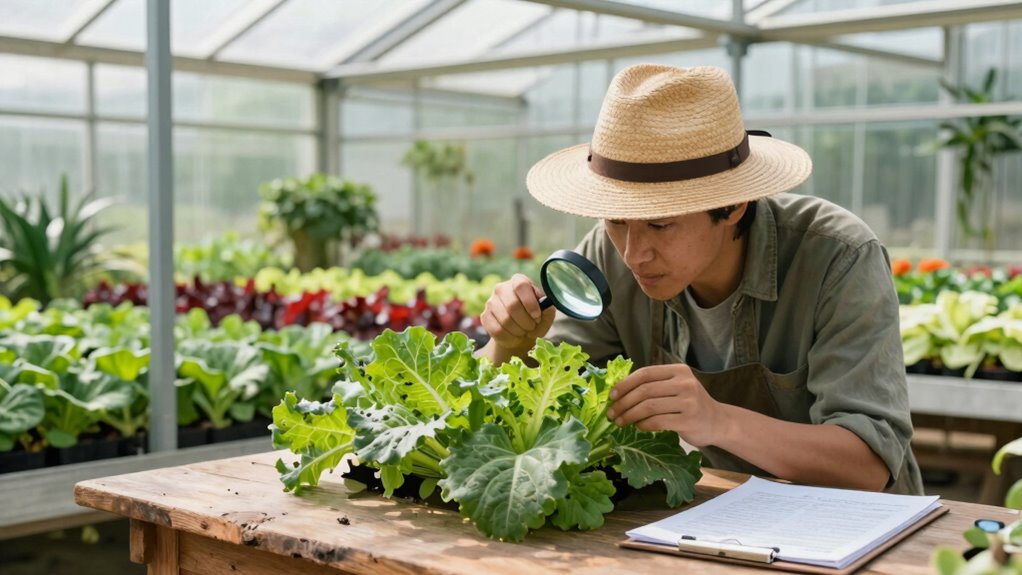
Have you ever wondered how to get more accurate and insightful observations from your greenhouse? The key lies in sharpening your ability to notice subtle changes in plant health and environmental conditions. When you develop a keen eye for detail, you can spot signs of stress, disease, or nutrient deficiencies early on, allowing you to respond swiftly and prevent larger issues. Better observation isn’t just about casual glances; it’s a deliberate practice that improves your understanding of your greenhouse’s ecosystem. As you become more attentive, you’ll recognize patterns and anomalies that might otherwise go unnoticed, giving you the knowledge needed to make smarter purchasing decisions—like selecting healthier plants or investing in more effective climate control systems. Additionally, understanding the importance of biodiversity in your greenhouse can help you create a more resilient and sustainable environment for your plants. Developing a diverse plant population can also enhance your ability to observe interactions within the ecosystem, further sharpening your overall observation skills. Incorporating psychological assessments into your observation routine can help you better interpret plant behaviors and environmental cues, leading to more precise management strategies. Cultivating a habit of systematic observation can further improve your ability to detect early warning signs and respond proactively.
Sharpen your observation skills to detect subtle plant and environment changes for healthier, more productive greenhouses.
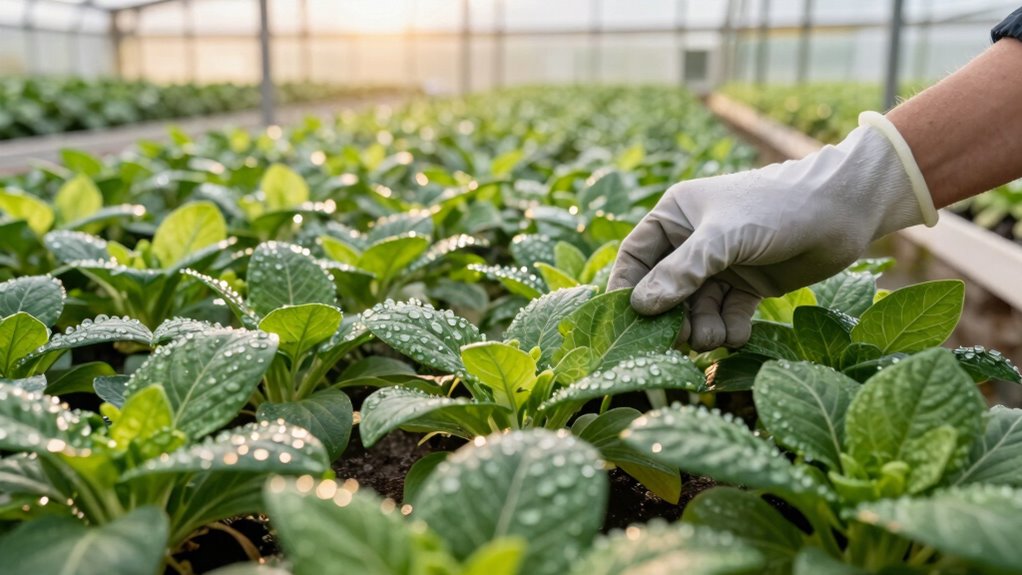
Plant health is the foundation of a thriving greenhouse. By observing your plants regularly, you learn to identify early symptoms of problems, such as yellowing leaves, spots, or wilting. These signs serve as red flags that something’s off — perhaps inadequate watering, pests, or disease. When you pay close attention to these details, you’ll be better equipped to choose plants that are vigorous and free of hidden issues, saving you time and money in the long run. Furthermore, your observations can inform you about the specific needs of different plant varieties, guiding you toward the right climate control measures. For instance, noticing that certain plants thrive at particular humidity levels or temperatures allows you to fine-tune your climate control setup. This proactive approach not only boosts plant health but also guarantees that your greenhouse environment supports ideal growth, reducing the risk of crop loss.
Climate control plays an essential role in maintaining plant health, and your ability to observe environmental conditions is vital. When you regularly monitor temperature, humidity, and airflow, you can detect fluctuations that might stress your plants. Small changes, like a sudden drop in temperature or a spike in humidity, can have outsized effects if left unchecked. By observing these patterns, you can adjust your climate control equipment accordingly—adding heaters, fans, or dehumidifiers as needed. This continuous process of observation and adjustment creates a stable environment that promotes healthy growth and higher yields. When your climate control is finely tuned, you’re not just reacting to problems; you’re preventing them, which makes your greenhouse more efficient and productive. Incorporating environmental monitoring tools can significantly enhance your ability to observe and respond to changes in real time, leading to better overall management.
In essence, enhancing your observation skills transforms how you manage your greenhouse. Your ability to detect subtle signs of plant health issues and environmental shifts helps you make smarter, more targeted purchases—whether it’s selecting the best plants or investing in climate control technology. Better observation leads to a healthier, more productive greenhouse, where plants flourish, and your investment pays off. It’s a simple but powerful step that guarantees you’re always working with the best information, giving you the confidence to make decisions that will benefit your entire operation.
Products Worth Considering

AMERLIFE 34 x 10 x 7 ft Walk-In Tunnel Greenhouse with Watering System

Yardenaler 6 x 10 ft Wooden Walk-In Greenhouse with 6 mm Polycarbonate Panels

HOOYEAH 6 x 6 ft Walk-In Polycarbonate Greenhouse
As an affiliate, we earn on qualifying purchases.
Frequently Asked Questions
How Can I Improve My Observation Skills for Greenhouse Selection?
To improve your observation skills for greenhouse selection, focus on carefully examining plant species and their specific needs. Pay attention to climate considerations like temperature, humidity, and light levels in your area. Observe how different plants respond to these conditions and note any signs of stress or thriving growth. By honing your attention to these details, you’ll better match greenhouse features to your plant requirements, ensuring healthier plants and more successful gardening.
What Tools Assist With Better Greenhouse Observation?
Think of yourself as a detective in a lush garden, armed with tools for plant health and pest detection. Use a magnifying glass to spot tiny pests or disease signs. A flashlight helps illuminate hidden spots, while a notebook records observations. Smartphone apps can also analyze plant health and identify pests. These tools sharpen your eye, helping you select a healthy greenhouse by catching issues early and ensuring your plants thrive.
How Often Should I Inspect a Greenhouse Before Purchasing?
You should inspect a greenhouse at least once a week before purchasing. During each visit, perform soil testing to check for nutrient levels and potential contamination, ensuring healthy plant growth. Also, look closely for pest identification signs, such as chewed leaves or sticky residues. Regular inspections help you catch issues early, evaluate the greenhouse’s condition thoroughly, and make an informed decision that promotes healthy, sustainable plant production.
What Signs Indicate a Healthy Versus Unhealthy Greenhouse?
Did you know that 85% of greenhouse issues stem from unchecked pest signs and poor plant health? A healthy greenhouse shows vibrant, uniform plants with strong stems, lush foliage, and no visible pests or disease spots. Conversely, unhealthy signs include discolored leaves, wilting, pest damage, or mold. Regularly inspecting for these indicators helps you identify a thriving or struggling greenhouse, guiding smarter purchasing decisions.
Can Observation Prevent Future Greenhouse Maintenance Issues?
Yes, observation can prevent future greenhouse maintenance issues. By regularly monitoring your greenhouse design and checking for pest management problems, you catch issues early. Spotting structural weaknesses, water leaks, or pest activity early helps you address them before they escalate. Consistent observation guarantees your greenhouse remains healthy, reducing costly repairs and crop losses. Staying vigilant allows you to optimize conditions and maintain a thriving environment for your plants.
Conclusion
By honing your observation skills, you can catch issues early and make smarter greenhouse decisions. Remember, studies show that growers who regularly monitor their plants see a 30% increase in yield compared to those who don’t. So, take the time to observe carefully—your future harvest depends on it. Better observation not only prevents problems but also helps you optimize growth, ensuring you get the most out of your greenhouse. Start observing today, and watch your success grow.