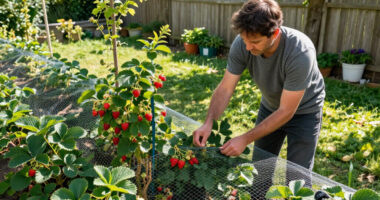
To build a greenhouse scouting habit that sticks, make it a daily or weekly part of your routine, choosing consistent times like early mornings or evenings. Keep a checklist to stay organized, and focus on recognizing signs of stress and pests early. Develop your observation skills over time by paying close attention to plant health and abnormalities. With regular inspections becoming second nature, you’ll enjoy healthier plants and better yields—if you want to know how to keep it going, keep exploring this topic.

Get garden gear delivered free with Prime
- Fast, free delivery on millions of items
- Prime Video, Amazon Music and more included
- Member-only deals all year
Key Takeaways
- Incorporate regular scouting into your daily or weekly routine at consistent times like early morning or evening.
- Use a detailed checklist to guide inspections and ensure all areas are thoroughly monitored.
- Start with short, focused sessions and gradually increase duration to build habit strength.
- Track your observations to notice patterns and improve detection skills over time.
- Recognize the benefits of consistent scouting, such as healthier plants and reduced pest issues, to stay motivated.

Starting a regular greenhouse scouting habit can substantially boost your gardening success, but it often feels overwhelming to know where to begin. The key is to establish a simple, consistent routine that helps you monitor your plants effectively. When you step into your greenhouse, focus on evaluating plant health first. Look for signs of stress, such as yellowing leaves, wilting, spots, or unusual growth patterns. Recognizing these early symptoms allows you to intervene before problems escalate. Developing a sharp eye for plant health is essential, as it helps you catch issues like nutrient deficiencies, watering problems, or disease early on, saving you time and resources.
Pest identification is another important component of your scouting routine. Regularly check for pests like aphids, whiteflies, spider mites, or caterpillars. Pay attention to the undersides of leaves, stems, and soil surfaces, as many pests hide in these areas. By routinely inspecting your plants, you train yourself to spot subtle signs of infestation—such as tiny insects, webbing, or damaged foliage—before they become widespread. Early pest detection allows for targeted, environmentally friendly treatments, preventing the need for harsh chemicals and minimizing damage to your plants. Incorporating integrated pest management strategies can further enhance your approach by promoting natural pest control methods.
To make your scouting habit stick, integrate it into your daily or weekly schedule. Set a specific time—perhaps early morning or late evening—when you’re most alert and can focus without distractions. Keep a scouting checklist to guide your inspection process, covering aspects like plant health, pest presence, and any abnormal signs. Building a habit of consistent plant monitoring helps you develop a keen eye for early warning signs, making your gardening efforts more effective and enjoyable. Incorporating regular assessments into your routine can also help you notice seasonal changes and plan accordingly. As you build this habit, it becomes second nature; you’ll start noticing issues that previously went unnoticed, and your plants will thank you with healthier growth and better yields.
Products Worth Considering

EGO POWER+ 21 Cordless Electric Lawn Mower Kit, Self-Propelled

AMERLIFE 10 × 44 ft Walk-In Tunnel Greenhouse with Watering System

Sylviera 8 x 10 ft Polycarbonate Greenhouse with Hygrometer
As an affiliate, we earn on qualifying purchases.
Frequently Asked Questions
What Tools Are Essential for Greenhouse Scouting?
You need essential tools like a magnifying glass or hand lens for detailed plant monitoring and pest identification. A notebook or digital device helps record observations, while a flashlight improves visibility in tight spots. Incorporate a thermometer and hygrometer to track environmental conditions. A spray bottle aids in testing pests or applying treatments. These tools support effective scouting, ensuring you catch issues early and maintain healthy greenhouse plants.
How Often Should I Scout My Greenhouse?
Think of your greenhouse as a living heartbeat; you should scout it weekly to stay in sync. Regular checks help you monitor greenhouse humidity and catch pest lifecycle stages early. By doing this consistently, you prevent infestations and maintain ideal conditions. Weekly scouting keeps you attuned to subtle changes, ensuring your plants flourish and pests don’t take hold. Make it a routine, and your greenhouse will thrive like a well-tuned symphony.
How Do I Identify Common Greenhouse Pests?
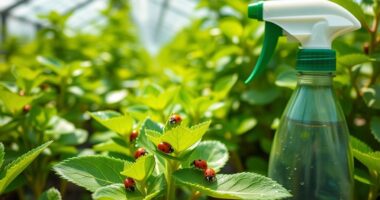
To identify common greenhouse pests, start by regularly inspecting plants for visible damage, discolored spots, or webbing. Learn their pest lifecycle to recognize early signs of infestation. Use a magnifying glass to spot tiny insects. Also, look for beneficial insects like ladybugs, which help control pests naturally. Familiarizing yourself with pest symptoms and monitoring consistently will help you catch issues early and maintain a healthy greenhouse.
What Are Signs of Plant Diseases in a Greenhouse?
A stitch in time saves nine, so pay close attention to plant health indicators. Common disease symptoms include discolored leaves, spots, wilting, or unusual growths. Look for mold, powdery residue, or lesions on stems and leaves. These signs help you spot issues early, allowing prompt treatment. Regularly monitoring for these disease symptoms guarantees your plants stay healthy, and your greenhouse remains productive and thriving.
How Can I Stay Motivated to Maintain the Habit?
To stay motivated, try incorporating motivational strategies like setting small, achievable goals and rewarding yourself when you reach them. Habit tracking can be a powerful tool—mark off each successful scouting session to see your progress visually. Remind yourself of the benefits, like healthier plants and early disease detection. Keep the routine enjoyable by listening to music or adjusting your schedule, making it easier to maintain your greenhouse scouting habit consistently.
Conclusion
Building a greenhouse scouting habit is like tending a delicate plant—you need consistency and patience. By setting small, achievable goals and turning scouting into a daily ritual, you’ll find it becomes second nature, much like breathing. Remember, habits grow stronger with time, so stay committed even when progress feels slow. With persistence, you’ll develop an eye for detail that makes your greenhouse thrive, turning routine checks into a rewarding part of your gardening journey.