TL;DR

Get garden gear delivered free with Prime
- Fast, free delivery on millions of items
- Prime Video, Amazon Music and more included
- Member-only deals all year
Growing interest in berry protection methods is rising as gardeners seek reliable ways to prevent animals from eating their crops. Experts recommend four proven strategies to safeguard berries effectively, allowing gardeners to enjoy their harvest.
Gardeners are increasingly seeking reliable methods to protect their berries from animals, with recent trend signals indicating a spike in searches for effective deterrence techniques. While no specific event has been confirmed, the growing frustration over animal damage to berry crops underscores the importance of proven strategies. Experts emphasize that implementing certain methods can significantly reduce animal intrusion, enabling gardeners to enjoy their harvests.
Recent trend data reveals a surge in online searches related to protecting berries from animals, suggesting that many gardeners face ongoing challenges with wildlife such as birds, squirrels, and deer consuming their crops. Although no official announcement or scientific study has confirmed new methods, industry sources point to four widely recommended techniques that have proven effective over time.
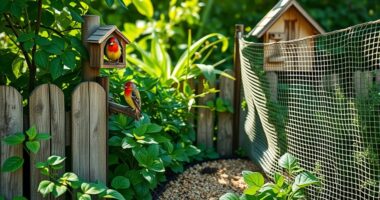
These methods include installing physical barriers like bird netting or wire cages, using natural repellents such as predator urine or spicy sprays, employing motion-activated deterrents, and planting companion plants that repel pests. Gardeners report success with these approaches, though effectiveness can vary based on local wildlife and specific berry types.
Experts advise combining multiple strategies for best results and to regularly maintain deterrents to ensure continued protection. While some claims about certain high-tech solutions are still anecdotal, the four methods listed are generally regarded as reliable and accessible for most gardeners.
Why Protecting Berries Matters for Gardeners
Protecting berry crops from animals is crucial for gardeners aiming for a fruitful harvest and to avoid economic losses. As interest in home gardening and organic produce grows, more people are investing time and resources into safeguarding their plants. Effective protection methods can prevent frustration, reduce waste, and improve overall yield quality, making berry cultivation more rewarding. Additionally, understanding proven deterrence techniques helps gardeners make informed choices and avoid ineffective or costly solutions.
As an affiliate, we earn on qualifying purchases.
Growing Concerns Drive Interest in Berry Protection Strategies
Over recent years, the popularity of home gardening has surged, especially for berries like strawberries, blueberries, and raspberries. This trend has been amplified by increased media coverage and social media sharing of successful harvests. However, many gardeners report that animals such as birds, squirrels, and deer often raid their crops, leading to significant losses. While traditional methods like scare devices and fencing are common, new interest is emerging in more reliable, science-backed techniques. The current spike in search interest is likely a response to ongoing challenges rather than a specific event, and experts note that these methods have been recommended for years, though their adoption is now increasing.
Effectiveness of Newer Deterrent Technologies Still Unconfirmed
While traditional methods like netting and repellents are well-documented, the effectiveness of newer, high-tech deterrents such as ultrasonic devices or electronic motion sensors remains unconfirmed. Some anecdotal reports suggest success, but scientific validation and long-term studies are lacking. It is also unclear how wildlife may adapt over time to these newer solutions, potentially reducing their efficacy.
Monitoring and Improving Berry Protection Methods
Gardeners and researchers are expected to continue testing and refining berry protection techniques. Future developments may include more durable physical barriers, eco-friendly repellents, and smarter electronic deterrents. Experts recommend observing which methods yield the best results in specific local environments and sharing successful practices within gardening communities. As awareness grows, more comprehensive guidelines are likely to emerge, helping gardeners choose the most effective combination of strategies.
Key Questions
What is the most reliable way to protect berries from animals?
According to gardening experts, using physical barriers like bird netting combined with natural repellents and motion-activated deterrents provides the most reliable protection.
Can natural repellents harm my berries or the environment?
Most natural repellents, such as predator urine or spicy sprays, are safe when used as directed and are environmentally friendly. Always follow manufacturer instructions to avoid any adverse effects.
Are electronic deterrents worth investing in?
Electronic deterrents like ultrasonic devices can be effective, but their success varies by situation. They are generally considered a supplementary tool rather than a standalone solution.
How often should I maintain my berry protection setup?
Regular maintenance, such as checking and repairing physical barriers and reapplying repellents, is essential to ensure continuous protection, especially after heavy weather or animal interference.
Are there any environmentally friendly options for deterring animals?
Yes, natural repellents and planting companion plants that repel pests are eco-friendly options that can be integrated into your berry protection plan.
Source: rss
Halloween Picks
halloween
As an affiliate, we earn on qualifying purchases.