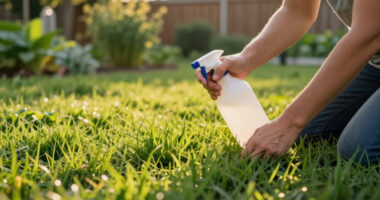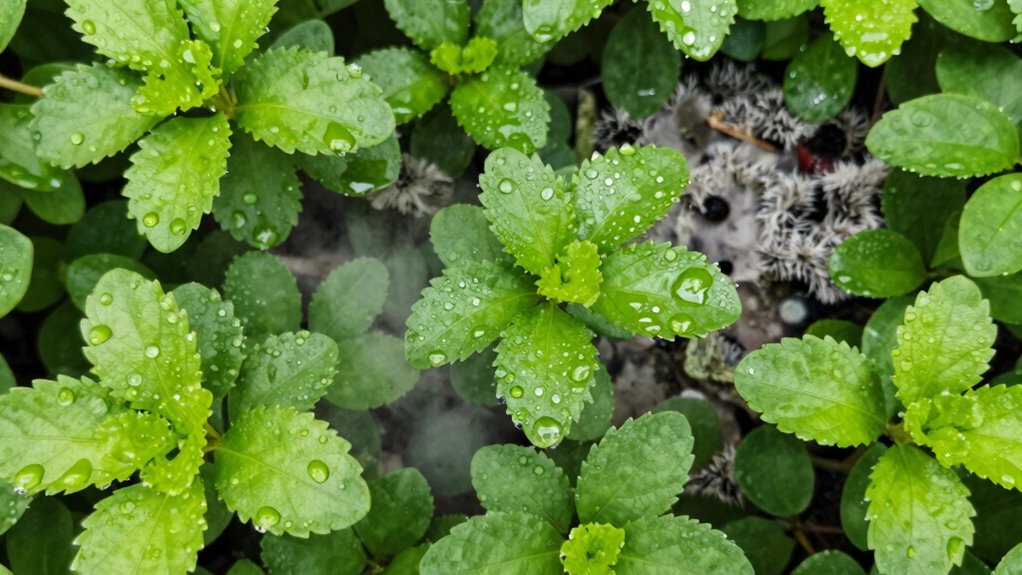

If you ignore proper humidity control, you create a perfect environment for fungi to grow on your skin and around your home. Excess moisture boosts fungal spread, weakens your skin’s natural defenses, and makes surfaces harder to sterilize. Misting with humidity sprays or neglecting ventilation can worsen the problem. To stay safe, keep humidity levels in check and follow smart habits. Keep going to discover how to prevent these risks and protect your health effectively.

Get garden gear delivered free with Prime
- Fast, free delivery on millions of items
- Prime Video, Amazon Music and more included
- Member-only deals all year
Key Takeaways
- Excess humidity creates ideal conditions for fungal growth on skin and surfaces, increasing infection risk.
- Over-misting with humidity sprays raises moisture levels, promoting mold and fungal proliferation.
- Poor ventilation and moisture control weaken natural defenses, making fungi easier to establish and spread.
- Ignoring humidity levels allows damp environments to persist, fostering persistent fungal problems.
- Failing to maintain proper skin hygiene and environment dryness increases susceptibility to fungal infections.
dehumidifier for indoor humidity control
As an affiliate, we earn on qualifying purchases.
As an affiliate, we earn on qualifying purchases.
How Humidity Promotes Fungal Growth on Skin and Surfaces
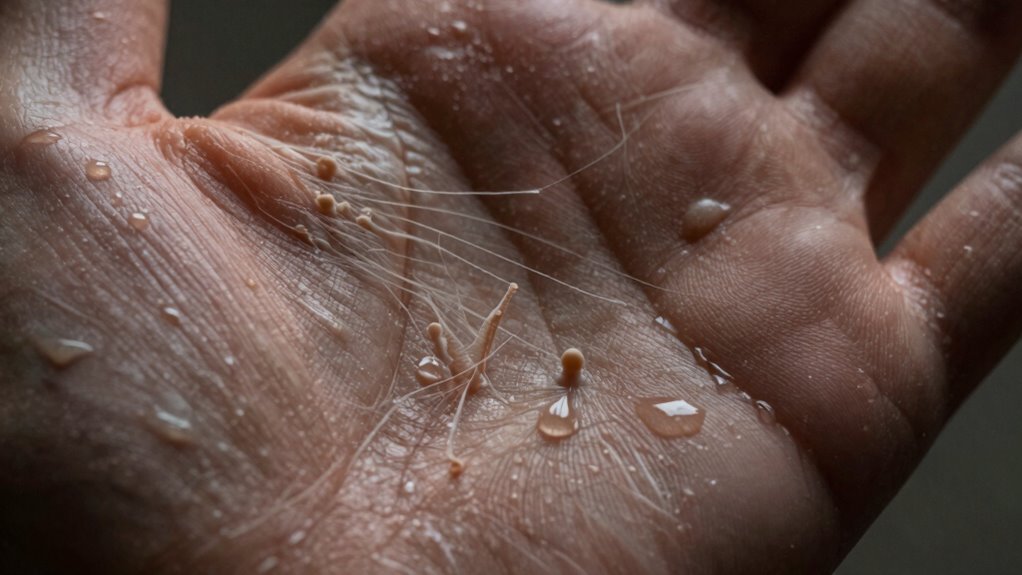
High humidity creates the perfect environment for fungi to thrive on your skin and surfaces. When the air is moist, it increases skin hydration, which fungi need to grow and spread. Excess moisture on your skin can compromise its natural barrier, making it easier for fungi to establish infections. On surfaces, high humidity hampers surface sterilization efforts, allowing fungi to survive and multiply. You might notice fungi thriving in damp areas, such as bathrooms or kitchens, where moisture lingers. To prevent this, controlling humidity levels is essential. Proper surface sterilization becomes more challenging in humid environments, so keeping areas dry reduces fungal growth. Staying vigilant about moisture helps protect your skin’s health and keeps surfaces less hospitable for fungi to flourish. Maintaining optimal humidity levels is a key aspect of environmental control to prevent fungal proliferation. Additionally, using dehumidifiers or improving ventilation can significantly reduce indoor humidity and inhibit fungal development. Proper ventilation systems help maintain a balanced environment, reducing the likelihood of fungal growth indoors. Regularly monitoring indoor humidity levels and addressing any excess moisture promptly can further help prevent fungal issues. Implementing humidity regulation strategies can make a noticeable difference in controlling fungal populations indoors.
Why Misting With Humidity Sprays Can Worsen Fungal Problems

Misting with humidity sprays can increase moisture on surfaces and plants, creating ideal conditions for fungal growth. This excess moisture weakens your plants’ natural defenses, making them more vulnerable to infections. This unintended increase in humidity can also contribute to the accumulation of microplastics in dust, which can further compromise indoor air quality. As a result, misting can unintentionally worsen fungal problems instead of preventing them. Understanding the symbolism of circles can help you recognize patterns of growth and decay, emphasizing the importance of proper moisture management. Additionally, excessive humidity can impact piercing healing, increasing the risk of infection and irritation. Recognizing how environmental factors influence fungal development is crucial for effective prevention, especially since family photoshoot fails often lead to unpredictable environmental conditions that can promote mold growth.
Promotes Fungal Growth
While misting with humidity sprays might seem like a good way to hydrate your plants, it can actually encourage fungal growth. Excess moisture creates an ideal environment for fungi to thrive, especially when combined with high humidity. This not only affects your plants but can also impact your skin hydration and respiratory moisture, making you more susceptible to fungal infections. To understand how fungi spread, consider this table:
| Fungal Growth Factors | Effects on Plants and Skin |
|---|---|
| Persistent moisture | Promotes fungal spores |
| Poor airflow | Stagnant environment |
| High humidity | Fungal proliferation |
Maintaining proper moisture levels is crucial, as imbalanced humidity can lead to unchecked fungal development. Proper humidity control is essential for a healthy environment. Additionally, avoiding excess humidity indoors can significantly reduce the risk of fungal issues. Recognizing the importance of humidity control can further aid in preventing these problems. Ensuring adequate air circulation can also help reduce fungal growth by preventing stagnant, moist conditions.
Creates Excess Moisture
Have you ever noticed how misting your plants can sometimes lead to more problems than it solves? When you mist, you add excess moisture to the environment, creating ideal conditions for fungi to thrive. Poor humidifier maintenance can worsen this issue, as dirty or leaking machines release more moisture and mold spores. Using mold-resistant materials in your plant setup helps prevent mold growth, but it’s not a cure-all. Over-misting keeps humidity levels high consistently, increasing the risk of fungal infections. Instead of frequent sprays, focus on controlling natural humidity and improving air circulation. Properly maintaining your humidifier and choosing mold-resistant containers can help manage moisture levels, reducing the chances of fungal problems developing due to excess moisture. Detecting passive voice in your writing can also make your messages clearer and more direct.
Weakens Plant Defense
Excessive humidity from misting can weaken your plants’ natural defenses against fungal infections. When you over-mist, you create a humid environment that hampers plant resilience. Poor plant watering habits, like consistently wet leaves, make plants more vulnerable. Additionally, inadequate soil aeration traps moisture around roots, reducing their ability to fight off pathogens. To understand the impact, consider this:
| Issue | Effect | Solution |
|---|---|---|
| Over-misting | Encourages fungal growth | Limit humidity sprays |
| Poor soil aeration | Roots stay wet, weaken defense | Improve soil drainage |
| Excess moisture | Suppresses plant immune responses | Water properly, avoid splashing |
| Fungal susceptibility | Plants become more prone to infections | Use proper watering techniques |
Proper soil aeration and avoiding excess moisture are essential for maintaining healthy plant defenses. Reducing humidity and ensuring proper plant watering and soil aeration strengthen your plant’s defenses against fungi. Being mindful of environmental conditions can further help prevent fungal issues and promote healthier growth. Maintaining optimal humidity levels is crucial for preventing fungal development and ensuring a resilient plant environment. Additionally, monitoring plant health regularly can help catch fungal problems early before they spread.
How to Recognize Fungal Infections on Your Skin and in Your Home
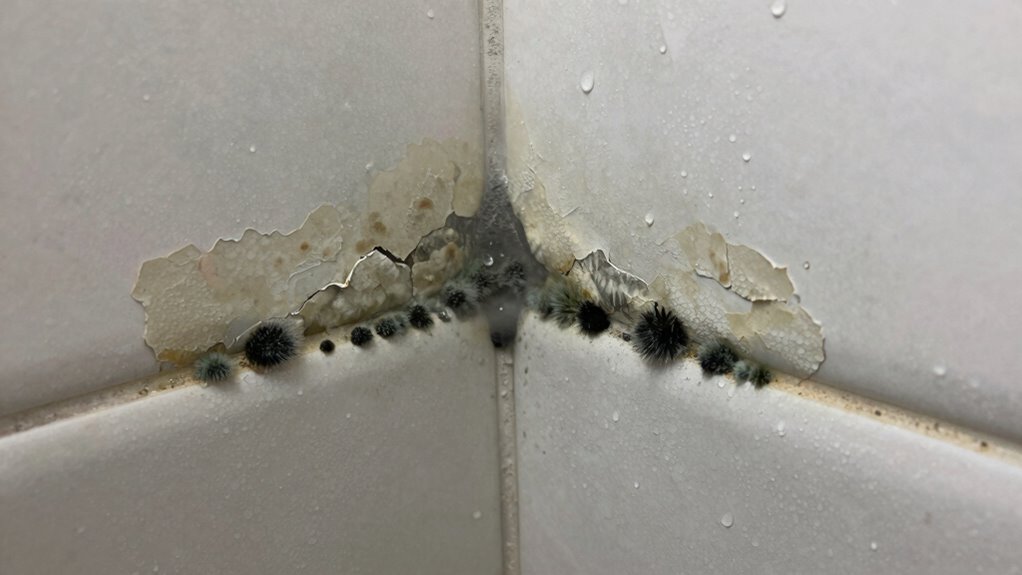
Fungal infections can be tricky to spot because they often mimic other conditions, but recognizing the signs early is essential for effective treatment. On your skin, look for persistent redness, itching, or scaly patches that don’t heal. Fungal identification starts with examining the affected area’s appearance and texture, often revealing ring-shaped rashes or raised bumps. Keep in mind that a compromised skin barrier makes it easier for fungi to invade, so any cracks or breaks could signal trouble. In your home, watch for mold growth on walls, ceilings, or bathroom surfaces, especially in humid areas. Mold can appear as black, green, or white patches. Early detection helps prevent the spread and protects both your skin and living environment from further fungal issues. Proper water damage and drying techniques are crucial in preventing mold growth and fungal proliferation in your home. Additionally, maintaining proper humidity levels can significantly reduce the risk of fungal development indoors. Understanding hormesis and how environmental stressors influence fungal growth can also be beneficial in managing indoor air quality and overall wellness. Being aware of the impact of environmental factors can help you create a healthier living space and reduce fungal risks.
Effective Ways to Manage Indoor Humidity and Prevent Fungal Infections
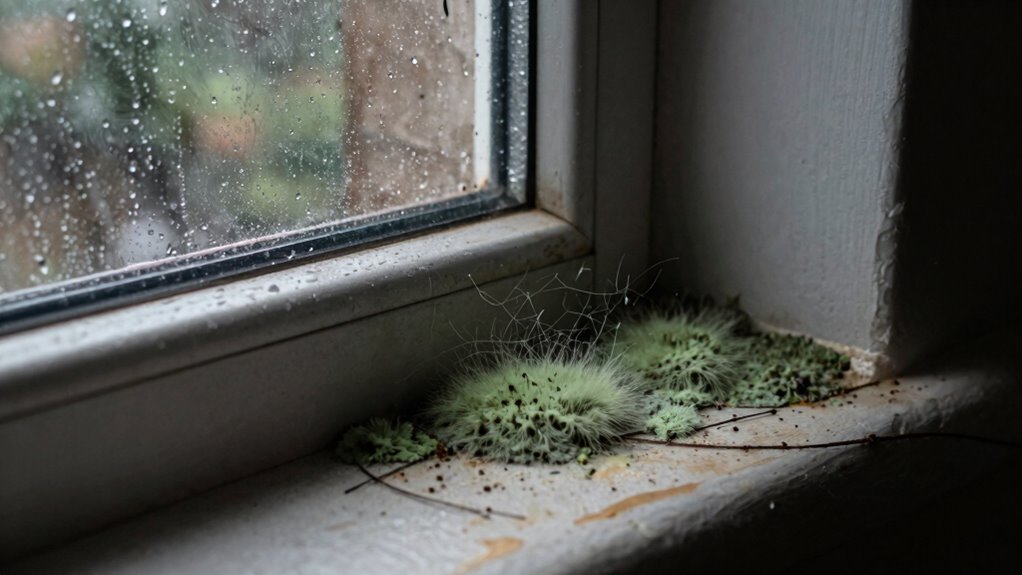
To prevent fungal infections indoors, you need to manage humidity effectively. Keep moisture levels in check, use proper ventilation, and regularly monitor humidity to stay ahead of problems. These simple steps can make a big difference in maintaining a healthy environment.
Control Indoor Moisture Levels
Have you ever wondered how to keep indoor humidity levels in check? Managing humidity effects is essential because excess moisture creates fungal pathways that promote mold growth. To control indoor moisture, use a dehumidifier or air conditioner to maintain humidity between 30-50%. Fix leaks promptly and seal windows and doors to prevent outside dampness from entering. Avoid drying clothes indoors, as this adds unnecessary moisture. Keep bathrooms and kitchens well-maintained with exhaust fans or vents to vent excess humidity outside. Regularly monitor humidity levels with a hygrometer, so you catch problems early. By keeping moisture in check, you reduce the chances of fungi developing and spreading, safeguarding your health and home from fungal infections.
Use Proper Ventilation Strategies
Proper ventilation is a key strategy for maintaining healthy indoor humidity levels and preventing fungal growth. Good air circulation helps remove excess moisture and stale air, reducing the environment fungi thrive in. Use ventilation systems like exhaust fans in bathrooms and kitchens to quickly vent humid air outside. Opening windows regularly promotes natural airflow, helping to balance indoor humidity. Confirm vents are unobstructed and functioning properly to optimize air exchange. Consistent air circulation prevents moisture buildup on walls, ceilings, and fabrics. Installing or upgrading ventilation systems can make a significant difference, especially in areas prone to dampness. By actively managing airflow and moisture removal, you create an environment less inviting to fungi and mold, protecting your home’s health.
Monitor Humidity Regularly
Are you regularly checking your indoor humidity levels? Consistent humidity monitoring helps you detect moisture issues early, preventing fungal growth. Use a reliable hygrometer to keep track of humidity, aiming for 30-50%. Remember, proper moisture control isn’t a one-time task; it requires ongoing attention.
- Maintain ideal humidity to inhibit mold development and protect your health
- Adjust your ventilation or use dehumidifiers when levels rise above recommended ranges
- Keep an eye on damp areas, like bathrooms and basements, to prevent unwanted moisture accumulation
Habits for Healthy Skin During Humid Weather
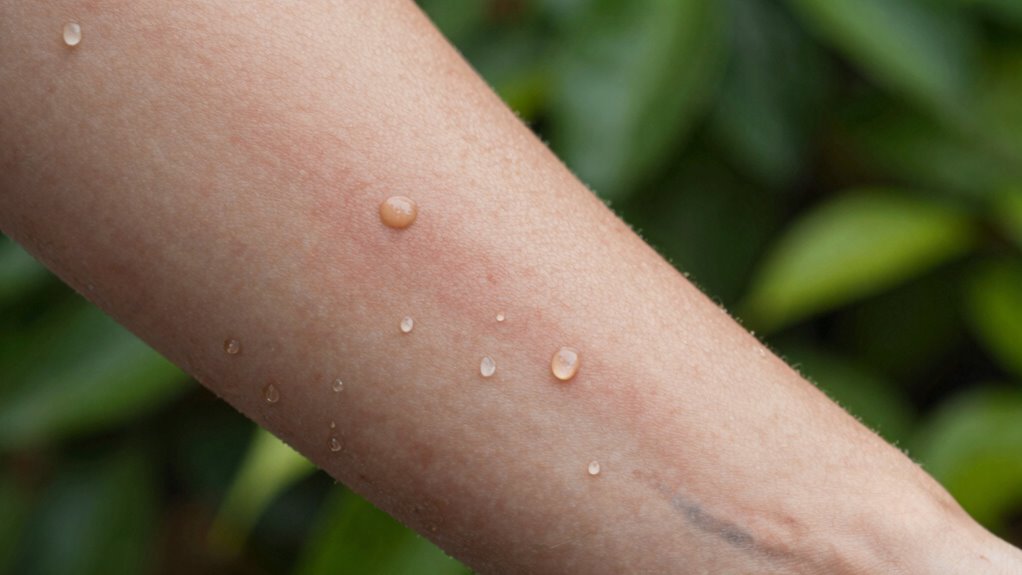
Is maintaining healthy skin during humid weather more challenging than it seems? Humidity can cause sweat and oil buildup, leading to clogged pores and breakouts. To stay fresh, stick to a lightweight skincare routine that includes gentle cleansing twice daily. Use non-comedogenic products that won’t clog your pores. Don’t forget sun protection—wear a broad-spectrum sunscreen every day, even when it’s cloudy, to prevent sun damage and hyperpigmentation. Keep your skin hydrated with a water-based moisturizer to avoid dryness caused by the heat. Wear breathable clothing and avoid heavy makeup that can trap sweat and bacteria. These habits will help you maintain clear, healthy skin while enjoying humid weather without falling into common pitfalls.
Common Mistakes That Increase Your Risk of Fungal Diseases
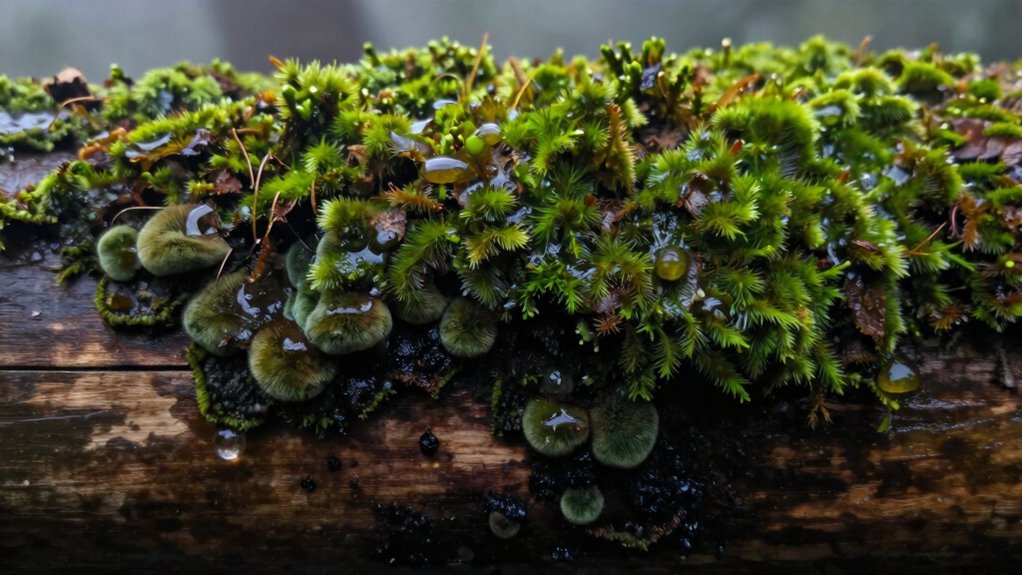
Failing to keep your skin and environment dry can greatly increase your risk of fungal infections, especially in humid conditions. When your skin barrier becomes moist or damaged, it weakens your fungal resistance, making it easier for fungi to invade. Avoid habits that trap moisture, like wearing tight or non-breathable clothing, which can create a perfect environment for fungi. Additionally, neglecting proper hygiene or not drying thoroughly after bathing or sweating can promote fungal growth.
- Wearing damp or sweaty clothes for extended periods
- Ignoring signs of skin irritation or damage
- Failing to maintain a dry, well-ventilated environment
These mistakes compromise your skin barrier and open the door for fungal infections to take hold.
When to See a Doctor for Persistent Fungal Infections
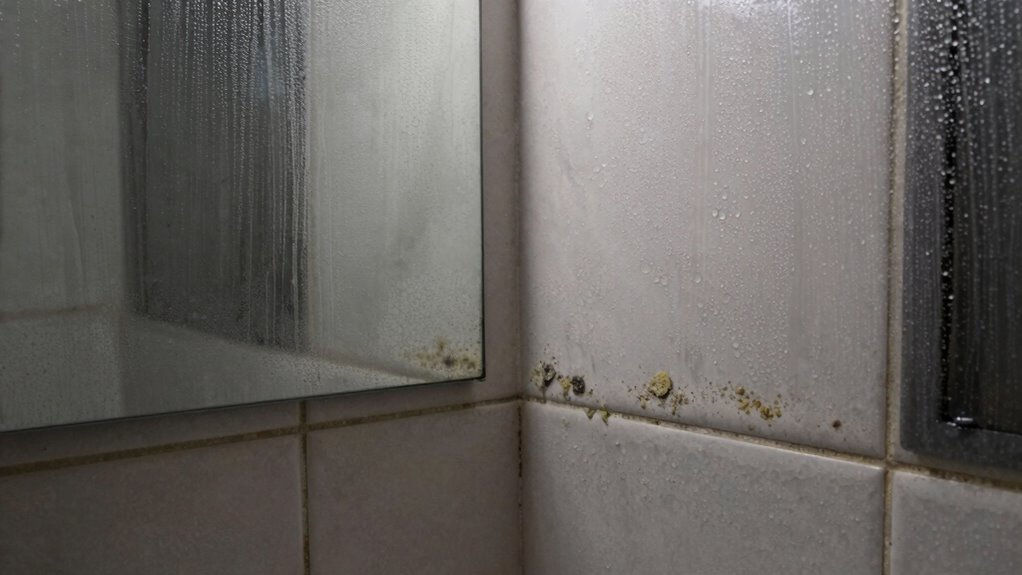
Persistent fungal infections warrant medical attention when they fail to improve after a couple of weeks of proper self-care, such as keeping the area dry and maintaining good hygiene. If you’ve been traveling and using skincare products that trap moisture, this can worsen the infection. In such cases, it’s time to see a doctor. They may recommend a specific fungal medication to clear the infection effectively. Don’t delay if symptoms persist or worsen, as untreated fungal infections can spread or become more stubborn. Your healthcare provider can assess whether the infection requires prescription-strength treatment or if underlying issues need addressing. Prompt medical attention guarantees proper healing and reduces the risk of complications, especially if you’re dealing with recurrent or resistant fungal infections.
Frequently Asked Questions
Can Certain Skincare Products Make Fungal Infections Worse in Humid Conditions?
Yes, certain skincare ingredients can increase your fungal susceptibility in humid conditions. Products with oils, heavy emollients, or occlusive ingredients may trap moisture and create a breeding ground for fungi. Avoid using thick creams or products containing ingredients like lanolin or certain silicones if you’re prone to fungal infections. Instead, opt for lightweight, non-comedogenic, and antifungal-friendly formulations to keep your skin healthy and reduce fungal risks.
Are There Specific Materials or Fabrics That Resist Fungal Growth Better?
Yes, moisture-wicking fabrics and antifungal textiles resist fungal growth better. You should choose clothing made from these materials, especially in humid environments, to keep moisture away from your skin and inhibit fungi. Look for fabrics like polyester, nylon, or specially treated cotton that promote quick drying. By wearing these, you reduce the risk of fungal infections, stay more comfortable, and maintain healthier skin despite high humidity.
How Does Climate Change Influence Fungal Disease Prevalence?
Climate change causes chaotic climate shifts, creating microclimate alterations that boost fungal proliferation factors. As temperatures rise and humidity levels fluctuate unpredictably, you face increased fungal disease prevalence. These climate-induced changes foster ideal conditions for fungi to flourish, making it easier for infections to spread. You’ll need to adapt your practices, monitor environments carefully, and manage moisture wisely to minimize fungal threats in this changing climate.
Can Diet Impact Susceptibility to Fungal Infections During Humid Weather?
Your diet impact can influence your susceptibility to fungal infections during humid weather. Consuming a balanced diet rich in probiotics, vitamins, and antioxidants helps strengthen your immune system, making it less vulnerable. Avoiding excess sugar and processed foods reduces the risk of fostering fungal growth inside your body. Staying hydrated and maintaining good hygiene further decreases humidity susceptibility, lowering the chances of fungal infections taking hold during humid conditions.
What Are the Long-Term Health Effects of Repeated Fungal Infections?
Repeated fungal infections can lead to serious long-term health effects, including immune suppression and chronic inflammation. Studies show that frequent infections weaken your immune system over time, making you more vulnerable to other illnesses. Chronic inflammation from ongoing fungal issues can damage tissues and organs, increasing risks of conditions like arthritis or cardiovascular disease. If left untreated, these effects can considerably reduce your overall health and quality of life.
Conclusion
Managing indoor humidity is key to preventing fungal infections. Did you know that fungal skin infections affect over 20% of the population at some point? By avoiding common mistakes—like over-misting or neglecting proper ventilation—you can markedly reduce your risk. Stay vigilant, keep your environment dry, and practice good habits during humid weather. Taking these steps not only protects your skin but also keeps your home healthier. Don’t wait—early action makes all the difference!
Halloween Picks
halloween
As an affiliate, we earn on qualifying purchases.