
Upgrading to an advanced humidity control system helps make disease prevention easier by maintaining a steady indoor humidity level between 30% and 50%. This reduces mold growth, dust mites, and airborne bacteria that can cause illnesses. Smart sensors and real-time monitoring guarantee ideal conditions without effort, creating a healthier environment. By keeping the air clean and balanced, you can lower the risk of respiratory issues and infections. Keep going to discover how these systems work to protect your health even better.

Get garden gear delivered free with Prime
- Fast, free delivery on millions of items
- Prime Video, Amazon Music and more included
- Member-only deals all year
Key Takeaways
- Upgraded systems use humidity sensors for real-time monitoring, maintaining optimal levels to inhibit mold and dust mite growth.
- Advanced filtration technology traps airborne pathogens, reducing the spread of bacteria and viruses indoors.
- Smart thermostats automatically regulate temperature and humidity, preventing conditions that promote disease-causing microbes.
- Consistent humidity control minimizes mold spores and allergens, decreasing respiratory illness risks.
- Continuous air quality monitoring ensures a healthier environment by reducing airborne contaminants and pathogens.
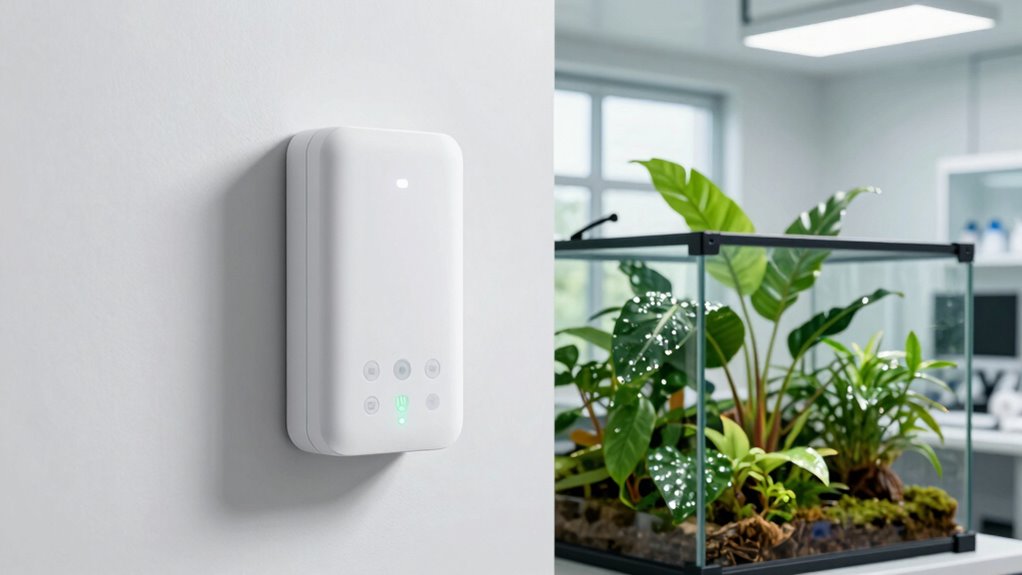
Maintaining proper humidity levels is crucial to protect your home and belongings, especially during seasonal changes. When humidity swings too high or too low, it can create an environment that’s not only uncomfortable but also conducive to mold growth, dust mites, and bacteria. Upgrading your humidity control system can greatly enhance your home’s health and safety, making disease prevention easier and more effective. One of the key benefits of these upgrades is improved air filtration. Modern systems integrate advanced filters that trap airborne particles, including allergens, bacteria, and viruses, reducing the likelihood of indoor infections. Enhanced air filtration also helps eliminate musty odors and airborne pollutants, creating a cleaner, healthier environment for you and your family. As a result, you can breathe easier knowing that harmful pathogens are less likely to circulate in your living space.
Upgrading your humidity control system enhances air filtration, reducing allergens, bacteria, and odors for a healthier home environment.
Temperature regulation plays a crucial role in maintaining ideal humidity levels. When your home’s temperature stays consistent, it becomes easier to keep humidity within the desirable range—typically between 30% and 50%. Many upgraded systems include smart thermostats that monitor both temperature and humidity, automatically adjusting settings to prevent fluctuations. By maintaining steady temperatures, you reduce the risk of condensation, which can lead to mold and mildew growth, and prevent dry air that can cause respiratory irritation. These systems often come with humidity sensors that provide real-time data, allowing you to fine-tune your environment effortlessly. This precision ensures your home remains comfortable and reduces the need for manual adjustments, saving you time and effort. Incorporating smart technology into your humidity control system can further optimize its performance and convenience. Additionally, the integration of air quality monitoring can provide ongoing insights into your indoor environment, helping you maintain optimal conditions at all times. Proper environmental control is essential for creating a space that promotes health and well-being.
The upgraded humidity control systems also support better overall health by aiding your immune system. When humidity levels are well-regulated, mold spores and dust mites struggle to thrive, decreasing the chances of allergies and respiratory issues. Additionally, consistent temperature regulation minimizes cold and flu transmission, especially during peak seasons. You’ll notice fewer illnesses spreading through your household, which means fewer sick days and better well-being for everyone. The integration of advanced air filtration and smart temperature regulation makes your home not just more comfortable but also a proactive line of defense against disease. Using advanced filtration technology ensures that airborne pathogens are effectively reduced, further safeguarding your health. With these upgrades, you simplify maintaining a healthy indoor environment, ensuring your space is less hospitable to harmful pathogens.
In short, upgrading your humidity control system isn’t just about comfort—it’s a wise investment in your health. By combining effective air filtration with precise temperature regulation, you create an environment that’s safer, cleaner, and easier to manage. This proactive approach helps prevent disease and supports your overall well-being, making your home a healthier place to live year-round.
As an affiliate, we earn on qualifying purchases.
Frequently Asked Questions
How Does Humidity Affect Indoor Air Quality?
Humidity directly impacts your indoor air quality by influencing airborne allergens and respiratory health. When humidity is too high, mold and dust mites thrive, worsening allergies and respiratory issues. Conversely, low humidity can dry out your airways, making you more vulnerable to colds and infections. Maintaining balanced humidity levels helps reduce airborne allergens, supports respiratory health, and creates a healthier indoor environment overall.
What Are the Cost Implications of Upgrading Humidity Control?
Upgrading your humidity control system involves initial costs for equipment and installation, but it can save you money in the long run. Conduct a thorough cost analysis to compare expenses against benefits like improved health and reduced HVAC energy use. Budgeting considerations include maintenance costs and potential savings from fewer sick days or lower energy bills. Overall, investing wisely can enhance air quality without breaking your budget.
Can Humidity Control Prevent Mold Growth Effectively?
Yes, controlling humidity effectively prevents mold growth by maintaining ideal air moisture levels. When you regulate air moisture, you create an environment less conducive to mold resistance, which thrives in damp, humid conditions. Proper humidity control reduces excess moisture in the air, helping to inhibit mold spores from settling and growing. By keeping humidity levels in check, you protect your space from mold-related issues and promote a healthier environment.
How Often Should Humidity Levels Be Checked After Upgrade?
You should check your humidity levels weekly after the upgrade, because even the best sensors need calibration to stay accurate. Follow a maintenance schedule to guarantee your sensors don’t drift into the land of unreliable readings. Regular checks help prevent mold and other issues. Think of it as giving your smart system a quick health check—because, let’s face it, even tech needs a little TLC to keep doing its job.
Is Professional Installation Necessary for Humidity Control Systems?
You should opt for professional installation of humidity control systems for maximum performance and safety. While DIY humidity control might seem tempting, it can lead to improper setup, causing ineffective disease prevention or damage. Professionals have the expertise to calibrate and install the system correctly, ensuring consistent humidity levels. Investing in professional installation guarantees your system works efficiently, giving you peace of mind and better protection against mold, bacteria, and other health risks.
Conclusion
So, with this humidity control upgrade, you might just find it’s easier to prevent disease—who would’ve thought? Ironically, a simple tweak to moisture levels can make all the difference, yet it’s often overlooked. Now, instead of battling illnesses, you get to enjoy a healthier space without breaking a sweat. It’s funny how sometimes the tiniest adjustments lead to the biggest breakthroughs, proving that the secret to wellness might just be a little less humidity and a lot more awareness.
Fall yard work Picks
leaf blowers
As an affiliate, we earn on qualifying purchases.