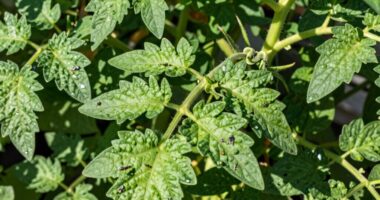
Overfeeding your plants in a greenhouse creates lush, tender growth that pests find easier to attack. Excess nutrients weaken beneficial microbes in the soil and upset nutrient balance, leaving plants more vulnerable and less able to defend themselves naturally. This encourages pest populations to thrive and spread quickly. Plus, nutrient runoff attracts pests from outside. If you keep going, you’ll discover ways to balance fertilization and boost your plants’ resilience.

Get garden gear delivered free with Prime
- Fast, free delivery on millions of items
- Prime Video, Amazon Music and more included
- Member-only deals all year
Key Takeaways
- Overfeeding disrupts soil nutrient balance, weakening beneficial microorganisms that help control pests.
- Excess nutrients promote lush, tender plant growth, attracting pests like aphids and whiteflies.
- Imbalanced fertilization reduces plant defenses, making them more susceptible to pest damage.
- Nutrient runoff from overfeeding attracts external pests and creates favorable breeding environments.
- Poor soil health from overfeeding diminishes natural pest resistance, increasing reliance on chemical controls.
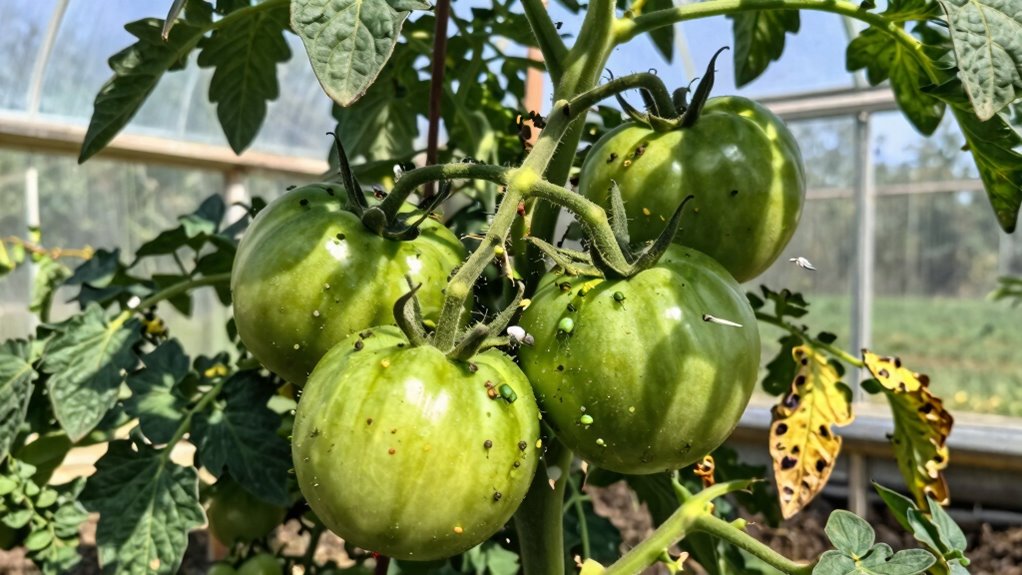
Have you ever wondered how overfeeding your greenhouse plants might inadvertently invite pests? When you give your plants more nutrients than they need, you may unintentionally disrupt the delicate balance of your soil. Overfeeding can lead to poor soil health, weakening the plants’ natural defenses and making them more susceptible to pests. Healthy soil is teeming with beneficial microorganisms that help plants absorb nutrients efficiently and ward off harmful pests. When excess fertilizers flood the soil, they can create an environment where these beneficial microbes struggle to thrive, reducing the soil’s overall pest resistance. This imbalance fundamentally lowers your plants’ ability to resist pests naturally, forcing you to rely more heavily on chemical controls, which can further damage soil health over time.
Overfeeding also causes plants to grow lush and tender, which pests find especially appealing. While rapid growth might seem advantageous, it often results in softer tissues that are easier for pests to chew through and damage. This creates a perfect environment for pests like aphids, whiteflies, and spider mites to settle in and multiply rapidly. Because these pests thrive on the excess nutrients, they often become more aggressive and harder to control, leading to infestations that spread quickly across your greenhouse. It’s not just about the pests themselves; overfeeding can also cause nutrient imbalances that weaken plants’ overall vitality, leaving them less capable of mounting their own defenses. Additionally, an excess of nutrients can cause nutrient imbalances that further undermine plant health and resilience. Proper soil management is crucial to prevent such issues and maintain a balanced ecosystem. Overfeeding can also lead to nutrient runoff, which may attract pests from outside sources or create conditions that favor their proliferation.
Furthermore, overfeeding can lead to environmental issues, such as nutrient runoff, which may attract pests from outside sources or create conditions that favor their proliferation. Excess nutrients leach into the soil and surrounding areas, fostering conditions that encourage pest breeding. This creates a cycle where pests become more problematic, and your efforts to manage them become more challenging as pests adapt to the changing environment. Maintaining soil health through balanced fertilization is essential to prevent such issues and promote a resilient ecosystem. The key to avoiding this trap is to maintain a balanced feeding schedule that supports soil health and promotes pest resistance. When your soil is healthy, it acts as a natural barrier against pest invasions, reducing the need for chemical interventions. Proper fertilization practices also help sustain the beneficial microbial populations that contribute to soil resilience and pest control. Recognizing the importance of nutrient balance can help you create a healthier environment for your plants and reduce pest problems.
In the end, overfeeding is a double-edged sword. It risks undermining your soil’s natural defenses and making your plants more attractive to pests. By focusing on proper fertilization, you nurture a resilient environment where plants can thrive without becoming pest magnets. Your goal should be to foster a balanced ecosystem that supports soil health, enhances pest resistance, and keeps your greenhouse healthy and productive.
greenhouse pest control products
As an affiliate, we earn on qualifying purchases.
As an affiliate, we earn on qualifying purchases.
Frequently Asked Questions
How Does Overfeeding Affect Plant Nutrient Balance?
Overfeeding your plants causes a nutrient imbalance, where some nutrients become overly concentrated while others are lacking. This imbalance stresses the plants and can lead to toxic buildup of excess nutrients, which harms roots and impairs nutrient uptake. As a result, your plants may show signs of deficiency or toxicity, making them more vulnerable to pests and diseases. To keep your greenhouse healthy, feed plants carefully and monitor nutrient levels regularly.
Can Overfeeding Lead to Pest-Resistant Greenhouse Pests?
Overfeeding can indeed lead to pest-resistant greenhouse pests. As pests face constant exposure to abundant, nutrient-rich plants, they adapt quickly, developing chemical resistance. Imagine pests as cunning invaders, learning to withstand your defenses. This pest adaptation means they’re tougher to control, thriving despite your efforts. Overfeeding fuels their resilience, making it essential to balance nutrients carefully and avoid creating an environment that fosters pest resistance and ongoing trouble.
What Are Signs of Overfeeding in Greenhouse Plants?
You’ll notice signs of overfeeding in your greenhouse plants through nutrient toxicity, which causes leaf yellowing, browning edges, and distorted growth. Additionally, overfeeding can lead to root decay, making roots appear brown and mushy, and reducing plant vigor. If you see these symptoms, it’s a clear sign to cut back on fertilizers and improve drainage. Proper feeding promotes healthy growth and helps keep pests at bay.
Does Overfeeding Increase Humidity Levels in Greenhouses?
Think of overfeeding as adding extra water to a sponge—it soaks up more moisture, raising humidity levels in your greenhouse. Overfeeding increases organic waste and moisture, making it harder to control humidity levels. This excess moisture creates a welcoming environment for pests and diseases. To keep things balanced, practice good moisture control, avoid overfeeding, and guarantee proper ventilation, helping your plants thrive without inviting trouble.
Are Certain Plant Species More Vulnerable to Pests From Overfeeding?
Yes, certain plant species are more vulnerable to pests from overfeeding. Some plants, like tomatoes and cucumbers, have higher pest susceptibility because overfeeding encourages lush growth that attracts pests such as aphids and spider mites. When you overfeed these plants, you create a favorable environment for pests to thrive. To prevent this, monitor your feeding practices carefully and choose plant species less prone to pest issues from overfeeding.
Conclusion
Just like Icarus flew too close to the sun, overfeeding can lead you straight into a pest problem. When plants get more than they need, pests see a feast, multiplying quickly like the mythical Hydra’s heads. Keep your feeding in check, and you’ll prevent inviting trouble—nature’s way of reminding us that balance is key. Stay cautious, and your greenhouse will stay thriving, not overrun. Don’t let excess be your downfall; instead, be the cautious gardener who tames the chaos.
Halloween Picks
halloween
As an affiliate, we earn on qualifying purchases.