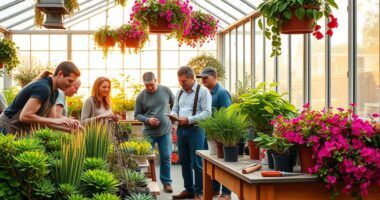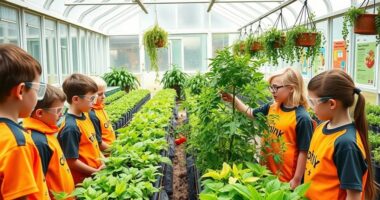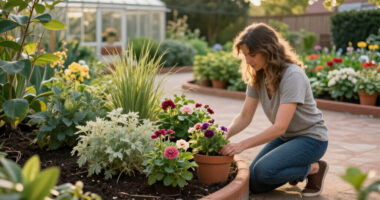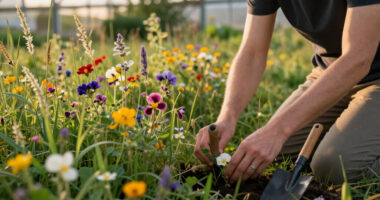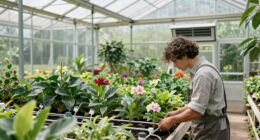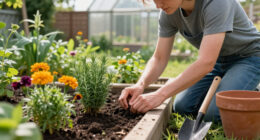

Your DIY greenhouse success relies on small, consistent habits like choosing eco-friendly materials, monitoring temperature, and routine maintenance. These small actions build a solid foundation, making big improvements easier over time. Opening vents during the day and composting organic waste help regulate climate and boost soil health. By focusing on these manageable tasks regularly, you’ll strengthen your greenhouse environment and guarantee long-term success. Keep exploring to discover more ways to make your efforts even more effective.

Get garden gear delivered free with Prime
- Fast, free delivery on millions of items
- Prime Video, Amazon Music and more included
- Member-only deals all year
Key Takeaways
- Small habits ensure consistent maintenance, maximizing greenhouse efficiency and longevity over time.
- Building routines around sustainable practices fosters ongoing environmental responsibility.
- Incremental habits make complex tasks manageable, reducing overwhelm and improving success rates.
- Consistent small actions support climate control, promoting healthier plant growth.
- Developing habits creates a resilient, self-sustaining greenhouse environment through continuous improvement.
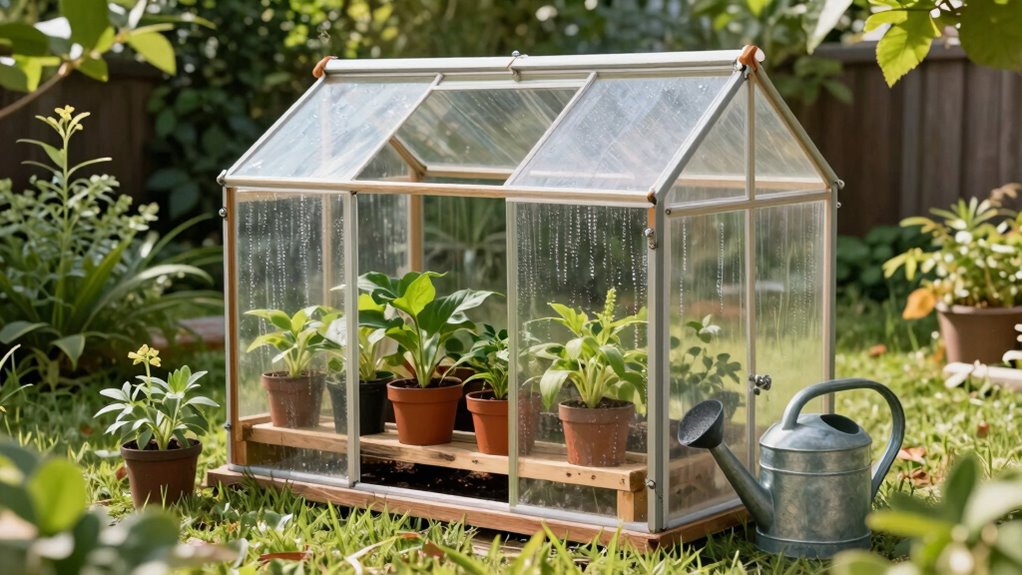
Building a DIY greenhouse can be a rewarding project that boosts your gardening success and saves you money. The key to long-term wins often lies in small, consistent habits that gradually shape your greenhouse into a thriving space. When you focus on these small actions, you’re more likely to develop sustainable practices that make your greenhouse both eco-friendly and cost-effective. For example, choosing sustainable materials for construction is a simple habit that has a big impact. You might start by repurposing old windows, using reclaimed wood, or selecting recycled plastic panels. These choices reduce waste and lessen your environmental footprint. Over time, your commitment to sustainable materials becomes a core part of your gardening routine, encouraging you to think creatively and responsibly about resource use.
Consistently using sustainable materials like reclaimed wood and recycled panels reduces waste and promotes eco-friendly gardening habits.
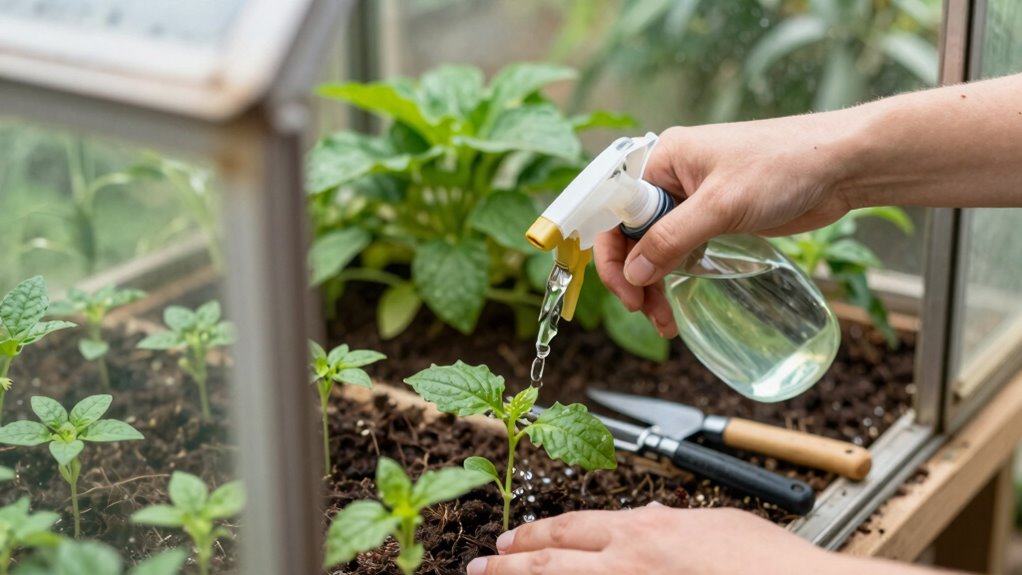
Another essential habit is mastering climate control techniques. Small adjustments, like opening vents during the day to prevent overheating or insulating your greenhouse at night, can greatly improve plant health. These habits don’t require constant attention but become second nature over time. You might set a routine to check temperature and humidity levels daily, learning to tweak vents, fans, or shading as needed. This consistent monitoring helps you develop a feel for your greenhouse’s microclimate, leading to better plant growth and fewer losses. Climate control techniques also include learning to manage watering schedules and soil moisture levels, which are indispensable for maintaining a stable environment. Developing climate control habits can significantly enhance your greenhouse’s sustainability and plant health. Additionally, understanding the importance of environmental monitoring can help you catch issues early and maintain optimal conditions. Incorporating knowledge about greenhouse efficiency can guide you to optimize your setup and reduce resource consumption. Practicing these habits regularly can also help you identify and troubleshoot problems before they become serious, ensuring a resilient greenhouse environment. Consistently practicing these habits fosters a proactive mindset that keeps your greenhouse productive and resilient.
The success of your DIY greenhouse often depends on your ability to adopt and stick with small habits that support your overall goals. These habits—like regularly cleaning glass panels for maximum sunlight penetration or composting organic waste—may seem minor but contribute enormously to your greenhouse’s efficiency. Over time, these small actions become routines that reduce the effort needed for maintenance and increase the overall productivity of your space. They also foster a mindset of continual improvement, encouraging you to experiment with new techniques or materials without feeling overwhelmed. Developing sustainable practices can create a more environmentally friendly and cost-effective gardening environment in the long run, reinforcing your commitment to eco-conscious gardening. Furthermore, integrating regular maintenance routines can help extend the lifespan of your greenhouse and its components, ensuring ongoing success.
Ultimately, your wins with a DIY greenhouse come from building habits that promote sustainability and climate control. These small, consistent actions create a strong foundation for your gardening success. They turn a simple project into a sustainable, well-maintained environment where plants thrive naturally. By focusing on small habits, you develop a sense of ownership and confidence that encourages ongoing learning and improvement. This approach guarantees that your DIY greenhouse isn’t just a temporary project but a lasting, rewarding part of your gardening journey.
Products Worth Considering

Jocoevol 6 x 8 ft Walk-In Greenhouse with Polycarbonate Panels

EAGLE PEAK 8 × 6 ft Walk-In Pop-Up Greenhouse, Green and White

Yardenaler 6 x 10 ft Wooden Walk-In Greenhouse with 6 mm Polycarbonate Panels
As an affiliate, we earn on qualifying purchases.
Frequently Asked Questions
How Long Does It Typically Take to See Results From Small Habits?
You’ll typically see results from small habits within about three to four weeks, thanks to consistent habit formation. When you incorporate these into your daily routines, progress feels quicker and more sustainable. The key is regularity—sticking with your habits daily helps reinforce them. Over time, these small changes add up, leading to noticeable improvements in your life, often sooner than you might expect.
Can Small Habits Be Sustained Without External Accountability?
Think of small habits as seeds planted in your own garden. Without external accountability, they can grow steadily if fueled by intrinsic motivation. You can nurture them through habit tracking, which acts as a gentle rain, encouraging consistency. As you see progress, your motivation deepens, making it easier to sustain these habits. Trust your inner gardener—your commitment and passion will keep your small seeds thriving over time.
What Are the Most Common Setbacks in Building Small Habits?
The most common setbacks in habit formation include losing motivation, neglecting consistency, and overestimating your ability to stick with new routines. You might also face distractions or become overwhelmed, making it hard to maintain progress. To overcome these, use motivational strategies like setting small, achievable goals and tracking progress. Recognizing setbacks early helps you adjust your approach, ensuring small habits become part of your daily routine and lead to lasting change.
How Do I Choose the Right Small Habits for My Greenhouse Project?
Think of your greenhouse as a symphony waiting to be composed. To choose the right small habits, start with plant selection—pick hardy plants that thrive easily. Develop consistent watering routines to nurture growth, like a steady drumbeat. Focus on these foundational habits, and you’ll create a harmonious environment that makes your greenhouse flourish. Small, intentional steps turn your green dream into a vibrant, thriving reality.
Are Small Habits Effective for Long-Term Greenhouse Success?
Yes, small habits are effective for long-term greenhouse success because they reinforce consistent habit formation. By integrating simple sustainability strategies into your daily routine, you create a durable foundation for ongoing care and maintenance. These manageable steps build momentum over time, making it easier to adapt and improve your greenhouse practices. Ultimately, small habits help you sustain growth and health, ensuring your greenhouse remains productive and thriving for years to come.
Conclusion
Remember, building your DIY greenhouse is like tending a garden—small, steady habits cultivate big wins. Each tiny step you take adds up, turning your green dreams into reality. Don’t overlook the power of simple routines; they’re the roots that support your success. Stay consistent, and soon your efforts will bloom into a thriving oasis. Keep nurturing those small habits, and watch your greenhouse grow stronger with each passing day.