To tell watering issues from disease, check soil moisture first—if it’s soggy, overwatering may be the cause, especially if leaves are soft and wilted. If the soil is dry and leaves are crispy, underwatering is likely the problem. Look for disease signs like spots, mold, or water-soaked lesions, which aren’t typical of watering issues. Pest presence and environmental factors also help distinguish between the two. For more tips on managing plant health, keep exploring these strategies.

Get garden gear delivered free with Prime
- Fast, free delivery on millions of items
- Prime Video, Amazon Music and more included
- Member-only deals all year
Key Takeaways
- Observe soil moisture levels: soggy soil indicates overwatering, while dry soil suggests underwatering.
- Examine leaf symptoms: wilting and browning with dry soil point to watering issues; soft, soggy leaves indicate disease.
- Check for pests and fungal growth: presence of webs, spots, or mold suggests disease rather than watering problems.
- Assess environmental conditions: high humidity and poor airflow promote disease, not watering issues.
- Monitor symptom progression: rapid deterioration with wet soil hints at disease; gradual changes with dry soil suggest watering issues.
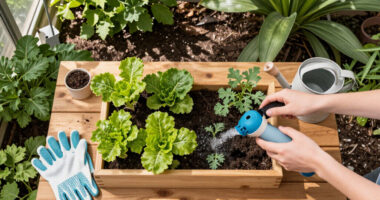
When plants in your greenhouse show signs of stress, it can be challenging to determine whether watering issues or diseases are to blame. The first step is to observe the soil moisture carefully. Overwatering often leads to waterlogged soil, depriving roots of oxygen and creating an environment where fungal pathogens thrive. Conversely, underwatering causes the soil to become too dry, leading to wilting and leaf browning. Check the soil moisture by feeling the top inch of soil; it should be slightly moist but not soggy or bone dry. Adjust your watering schedule accordingly. Consistent, appropriate watering helps maintain healthy soil moisture levels, which is essential for preventing disease development.
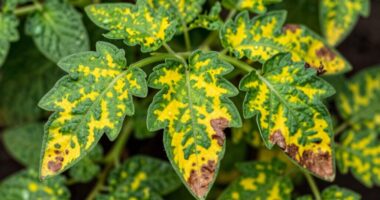
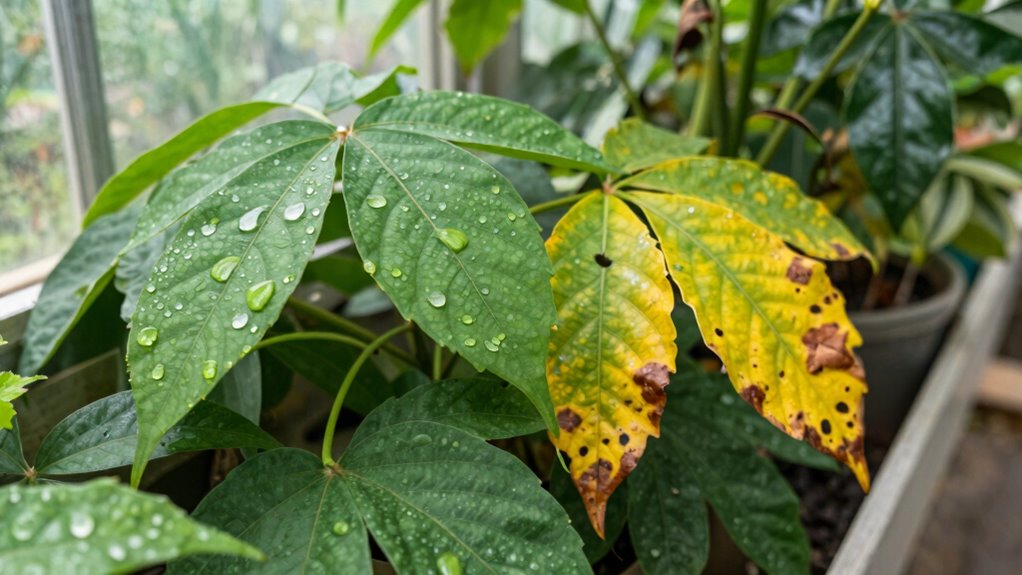
Next, look at the symptoms on the plants themselves. Wilting, yellowing, and browning leaves can result from both watering issues and disease, but the pattern of symptoms can offer clues. If the leaves are soft, wilted, and the soil feels overly wet, you’re likely dealing with overwatering or root rot. If the soil is dry and the plant’s leaves are crispy or curling, underwatering is probable. When symptoms are localized or spread unevenly, disease may be the culprit. Fungal infections often cause spots, mold, or powdery growth on leaves, stems, or soil surfaces. Bacterial infections can produce water-soaked lesions that turn necrotic. Recognizing the signs of plant stress early can help you take targeted action to prevent further issues. Additionally, understanding how different pathogens spread can aid in timely intervention. Being aware of plant disease symptoms can further improve your diagnosis accuracy. Proper diagnosis methods are vital for effective treatment and prevention strategies. Applying appropriate treatment promptly can make a significant difference in recovery.
Pest control is also an imperative part of diagnosing stress in your plants. Pests like aphids, spider mites, or thrips can weaken plants, making them more vulnerable to disease. Check for tiny insects or webs, especially on the undersides of leaves. Pest damage can sometimes mimic watering problems, such as yellowing or curling leaves, so ruling out pests is vital. If pests are present, control measures like insecticidal soap or introducing beneficial insects can help restore plant health. This, in turn, reduces stress and lowers the risk of disease outbreaks. Proper pest identification is crucial for selecting the most effective control methods and preventing unnecessary pesticide use. Regularly inspecting plants for pests can help catch infestations early before they cause significant damage.
Finally, consider environmental factors like humidity, airflow, and temperature. Poor airflow can promote fungal growth, while high humidity favors certain pests and pathogens. Regularly inspect your greenhouse and keep conditions ideal for your plants. Proper sanitation, such as removing fallen leaves or debris, helps prevent pest and disease buildup. By consistently monitoring soil moisture, controlling pests, and observing plant symptoms, you can effectively distinguish watering issues from disease problems. This proactive approach guarantees you address the root causes swiftly, keeping your greenhouse healthy and thriving. Proper environmental management is key to maintaining a healthy plant ecosystem.
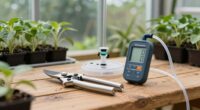
soil moisture meter for greenhouse plants
As an affiliate, we earn on qualifying purchases.
As an affiliate, we earn on qualifying purchases.
Frequently Asked Questions
Can Pests Cause Symptoms Similar to Watering or Disease Problems?
Yes, pests can cause symptoms that mimic watering or disease problems because of symptom overlap. Pest damage may lead to leaf discoloration, holes, or wilting, which look similar to watering stress or disease signs. You should closely inspect plants for pests like insects or mites, especially on undersides of leaves or stems. Proper identification helps you distinguish between pests and watering or disease issues, ensuring you apply the right treatment promptly.
How Quickly Do Diseases Typically Manifest After Infection?
Diseases can manifest symptoms anywhere from a few days to several weeks after infection, depending on the pathogen and environmental conditions. You might notice symptom overlap, making it tricky to distinguish disease from watering issues. Typically, rapid symptoms appearing within days suggest a quick infection, while slower development indicates a more prolonged process. Monitoring changes closely helps you identify infection timing and better separate disease symptoms from watering problems.
Are Certain Plant Varieties More Prone to Water or Disease Issues?
Think of plant varieties as different players in a game—they each have unique strengths and weaknesses. Some varieties are more prone to water issues due to their watering preferences, like succulents needing less moisture. Others are more susceptible to diseases because of their genetic makeup, like sensitive tomato plants. Knowing plant variety susceptibility helps you tailor watering and care, reducing the risk of problems before they even start.
What Tools Are Best for Diagnosing Plant Health Problems?
You should use diagnostic tools like handheld microscopes and moisture meters to identify plant health problems effectively. Soil testing kits help you analyze nutrient levels and detect potential issues causing disease or watering stress. With these tools, you can pinpoint whether problems stem from water management or disease, enabling targeted treatment. Regularly monitoring with diagnostic tools guarantees you catch issues early, keeping your greenhouse plants healthy and thriving.
How Does Humidity Influence Watering and Disease Symptoms?
Humidity effects greatly influence watering and disease symptoms in your greenhouse. High humidity can cause watering symptoms like leaf spotting, mold, or mildew, making plants appear waterlogged even if they’re not overwatered. Conversely, low humidity may lead to dry, crispy leaves. Monitoring humidity levels helps you distinguish watering issues from disease symptoms—if moisture is high and plants show mold, disease is likely; if dry, watering may be the culprit.
Conclusion
Understanding the difference between watering problems and diseases is key to maintaining a healthy greenhouse. Since over 70% of plant issues stem from watering mistakes, recognizing signs early can save your crops. By carefully observing your plants’ symptoms and adjusting your watering habits, you can prevent most issues before they escalate. Remember, consistent monitoring and proper watering techniques are your best tools. Keep a close eye, and your plants will thrive!
Fall yard work Picks
leaf blowers
As an affiliate, we earn on qualifying purchases.