TL;DR

Get garden gear delivered free with Prime
- Fast, free delivery on millions of items
- Prime Video, Amazon Music and more included
- Member-only deals all year
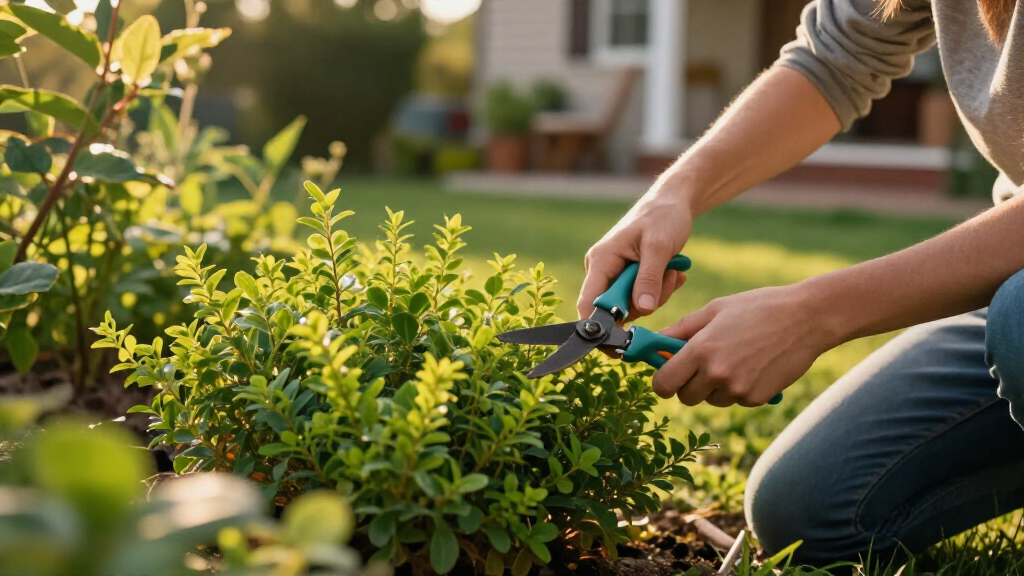
Landscape designers have identified 10 front-yard shrubs that are both attractive and easy to grow. These plants require minimal watering and are suitable for most gardeners, making them ideal for low-maintenance landscaping.
Landscape designers have highlighted 10 front-yard shrubs that are both visually appealing and easy for anyone to cultivate, requiring almost no watering. This development offers homeowners a practical guide to enhancing their curb appeal with low-maintenance plants, especially in areas prone to drought or with limited gardening experience.
According to recent garden industry sources, a panel of professional landscape designers compiled a list of ten shrubs that excel in front-yard settings. These plants are characterized by their hardiness, low water needs, and adaptability, making them suitable for a wide range of climates and soil conditions. The list includes popular choices such as potentilla, spirea, abelia, and viburnum, among others.
Designers emphasize that these shrubs are easy to establish and maintain, often thriving with minimal intervention once established. Many of the plants are drought-tolerant, making them especially relevant amid increasing concerns over water conservation. The list aims to help homeowners achieve attractive landscapes without the need for frequent watering or intensive care.
While the list is based on expert opinion and experience, it is not an official horticultural guideline. The plants recommended are generally resilient and suitable for beginner gardeners, but local climate and soil conditions may influence their performance. Gardeners are advised to select plants appropriate for their specific environment and to follow basic planting instructions for best results.
Why These Shrubs Are Game-Changers for Low-Maintenance Landscaping
This list matters because it provides homeowners with practical options to improve curb appeal without increasing water use or requiring extensive gardening knowledge. As drought conditions and water restrictions become more common, choosing hardy, low-water shrubs can help reduce maintenance costs and environmental impact. Additionally, these plants can contribute to more sustainable urban and suburban landscapes, supporting biodiversity and reducing resource consumption.
For professional landscapers, these shrubs offer reliable, attractive choices that can be integrated into various design styles, from modern to traditional. The emphasis on plants that require minimal watering aligns with broader trends toward sustainable gardening and climate-conscious landscaping.
As an affiliate, we earn on qualifying purchases.
Background on Low-Water, Easy-Care Shrubs in Modern Landscaping
Over recent years, landscape design has shifted toward plants that are both aesthetically pleasing and environmentally sustainable. Drought-tolerant shrubs have gained popularity due to increasing water restrictions and climate change impacts. Many of these plants have been used in xeriscaping and native plant gardens, but their appeal has now expanded to mainstream front-yard landscaping.
Designers and horticulturists have long promoted the use of native and adaptable plants for easier maintenance. The recent spotlight on shrubs that need little to no watering reflects a broader movement toward sustainable gardening practices. While some of these plants have been staples in xeriscaping, their inclusion in mainstream front-yard design signals a shift toward more resilient, eco-friendly landscapes.
Historically, popular front-yard plants required regular watering, fertilizing, and pruning. The new focus on low-water shrubs aims to reduce these demands, making attractive landscapes accessible to a wider range of homeowners, including those with limited gardening experience or physical ability.
Performance Variability Across Different Climates
While the list is based on expert recommendations, the actual performance of these shrubs can vary depending on local climate, soil quality, and planting practices. Some plants may require occasional supplemental watering or specific soil amendments, which are not detailed in the list. Further regional testing and gardener feedback are needed to confirm their universal suitability.
Guidance for Homeowners and Gardeners Moving Forward
Homeowners interested in these shrubs should consult local nurseries or horticultural experts to select the best varieties for their area. Further research and regional trials are expected to refine recommendations and identify optimal planting strategies. Garden centers may also start promoting these plants more actively as demand for low-maintenance, drought-tolerant landscaping increases.
In addition, garden designers and landscapers will likely incorporate these shrubs into new projects, and gardening communities may share tips on best practices for establishing and caring for them. Monitoring their performance over time will help validate their suitability and inform future recommendations.
Key Questions
Are these shrubs suitable for all USDA hardiness zones?
Most of these shrubs are adaptable to a range of zones, but specific hardiness varies. It is recommended to check the plant’s zone requirements and consult local experts before planting.
Do these shrubs need any special soil or fertilizer?
Generally, these plants thrive in well-drained soil and require minimal fertilization. Some may benefit from organic mulch or occasional feeding, but detailed care instructions should be tailored to each species.
Can these shrubs be used in small front-yard spaces?
Yes, many of these shrubs are compact or can be pruned to fit smaller spaces, making them versatile choices for various front-yard sizes and styles.
Are these plants deer-resistant?
Some of the recommended shrubs have deer-resistant qualities, but this can vary by region. Checking local deer browsing tendencies can help determine suitability.
How long do these shrubs typically take to establish?
Most of these shrubs establish within one to two growing seasons, but full maturity and optimal drought tolerance may take longer depending on conditions.
Source: rss
Halloween Picks
halloween
As an affiliate, we earn on qualifying purchases.