
TL;DR

Get garden gear delivered free — and shop member deals
- Fast, free delivery on millions of items
- Access to Prime Big Deal Days deals on October 6–7
- Prime Video, Amazon Music and more included
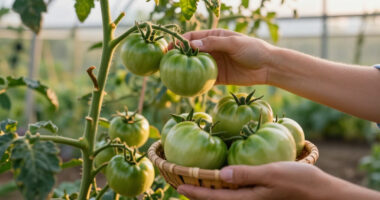
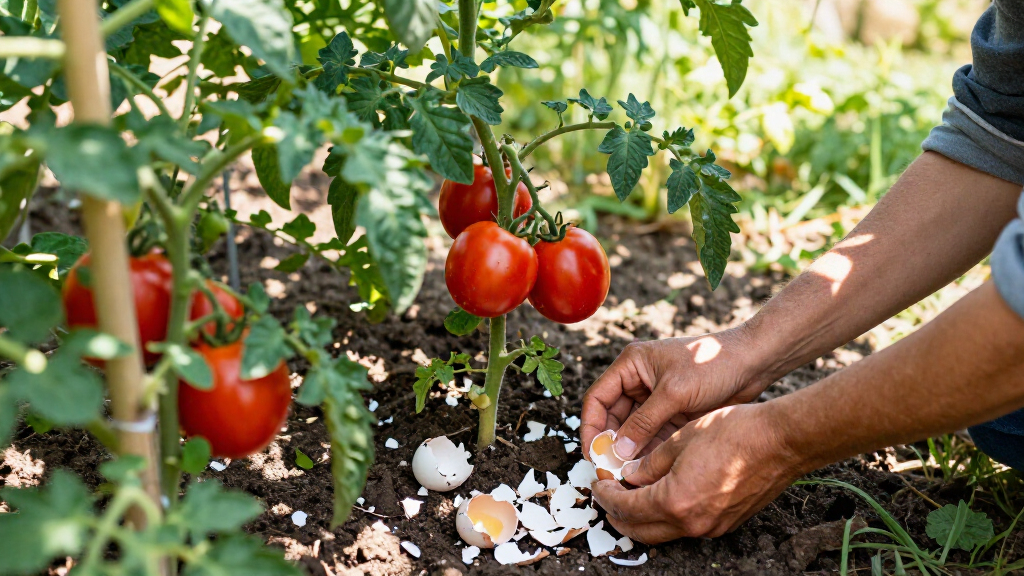
A growing number of gardeners are reportedly using common breakfast foods to fertilize tomato plants. Experts caution against this practice due to potential risks, but the trend is gaining attention on social media.
Several gardeners are reportedly using leftover breakfast foods, such as bread and cereal, to fertilize their tomato plants, according to social media posts and gardening forums. While this practice is gaining popularity among amateur gardeners, experts warn it may pose risks to plant health and soil quality. This development matters because it highlights unconventional gardening methods that could impact plant growth and safety.
Sources indicate that some gardeners are applying bread crumbs, cereal, and other breakfast leftovers directly to their tomato beds, believing these foods can provide nutrients or improve soil conditions. However, horticultural experts from the University of California Extension have cautioned that such foods may introduce mold, bacteria, or pests, potentially harming plants or contaminating soil. Gardening influencers on platforms like TikTok and Reddit have shared videos demonstrating the practice, fueling curiosity and debate.
It is important to note that there is no scientific evidence supporting the nutritional benefit of breakfast foods for plants. Most experts recommend using commercially available fertilizers or compost designed for vegetable gardening. The practice also raises concerns about attracting unwanted pests or creating unhealthy soil environments, especially if leftovers are not properly processed or stored.
Potential Risks of Using Breakfast Foods as Fertilizer
This trend could lead to unintended consequences such as mold growth, pest attraction, or soil imbalance, which may harm tomato plants or reduce yields. It also reflects a broader interest in DIY gardening solutions, though not all are safe or effective. For consumers, understanding the risks helps prevent damage to their gardens and promotes the use of proven fertilization methods.
As an affiliate, we earn on qualifying purchases.
Unconventional Gardening Trends and Past Practices
Using household food scraps as fertilizer is not new, but the recent focus on breakfast foods is a recent social media-driven phenomenon. Historically, gardeners have relied on composting kitchen waste, including bread and cereal, but typically in controlled compost systems rather than direct application. The current trend appears to blur these lines, with some users applying leftovers directly to soil, which is generally discouraged by horticultural experts. This development comes amid increased interest in sustainable and low-cost gardening methods, especially among urban and novice gardeners.
“Applying leftover breakfast foods directly to plants can introduce mold, bacteria, and pests, which may harm the plants and soil health.”
— Dr. Emily Carter, horticulture expert at University of California Extension
Unclear Long-Term Effects on Soil and Plant Health
There is limited scientific research on the long-term impacts of applying breakfast foods directly to soil. While anecdotal reports exist, definitive conclusions cannot be drawn without further study. It is uncertain whether such practices provide any real nutritional benefit or if they could cause soil degradation over time.
Monitoring and Guidance for Gardeners
Agricultural experts and extension services are expected to evaluate this practice and provide recommendations. Until then, gardeners are advised to use established fertilization methods and avoid applying food leftovers directly to their plants or soil.
Key Questions
Is it safe to use breakfast foods as fertilizer?
Experts generally advise against using leftover breakfast foods directly on plants due to risks of mold, pests, and soil contamination. Proven fertilizers are recommended for safe and effective plant growth.
What are the potential dangers of applying bread or cereal to tomato plants?
This practice may attract pests, promote mold growth, and disrupt soil health, potentially harming the plants and reducing yields.
Can breakfast foods provide nutrients to plants?
There is no scientific evidence that breakfast foods supply meaningful nutrients to plants. Proper composting or commercial fertilizers are more reliable sources of nutrients.
Why are some gardeners trying this method?
Many are seeking low-cost, DIY solutions for gardening, inspired by social media trends, despite the lack of scientific backing.
What should I do if I’ve already applied breakfast leftovers to my garden?
If you’ve applied leftovers, monitor your plants for signs of pests or mold. Consider removing excess food debris and switch to recommended fertilizers for ongoing care.
Source: rss
Fall Picks
fall essentials
As an affiliate, we earn on qualifying purchases.