
TL;DR

Get garden gear delivered free with Prime
- Fast, free delivery on millions of items
- Prime Video, Amazon Music and more included
- Member-only deals all year
Interest in self-watering pots and raised beds is surging this September, driven by concerns over plant health and watering efficiency. Experts emphasize the need to verify a specific feature to prevent plant damage. Details are still emerging about the exact feature and its implications.
Growing consumer interest in self-watering pots and raised garden beds has surged this September, with many gardeners seeking to ensure their plants receive adequate hydration without the risk of overwatering. Experts warn that a critical feature—yet to be definitively identified—may be essential to prevent plant drowning and maximize watering efficiency. This trend underscores the importance of verifying this feature before making gardening purchases or installations.
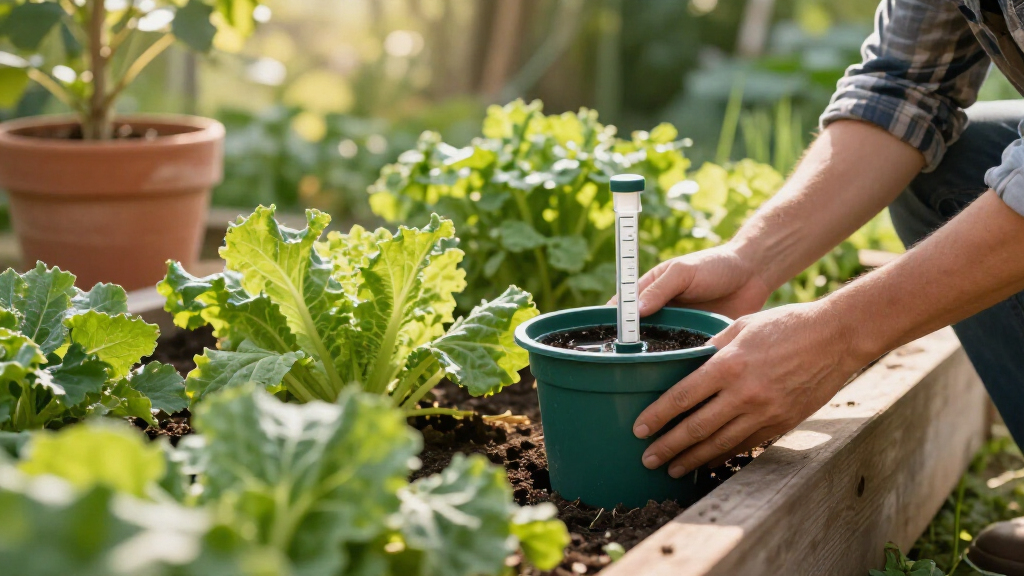
Over the past few weeks, searches for self-watering containers and raised beds have spiked, indicating a rising concern among gardeners about the safety and effectiveness of these products. While the general concept of self-watering systems involves a reservoir and a wicking mechanism to supply plants with consistent moisture, recent discussions suggest that a specific component or design element is vital for preventing waterlogging. Some sources point to the presence of an overflow or drainage feature as the key, but this has not been officially confirmed by manufacturers or industry experts.
Gardeners are advised to carefully examine products for features such as overflow outlets, drainage layers, or water level indicators. Failure to do so may result in overwatering, which can lead to root rot, plant stress, or death. For ideas on how to improve your raised beds, see this guide on self-watering garden techniques. The emphasis on this feature has grown amid reports of plant damage caused by poorly designed self-watering systems, although detailed data remains unavailable.
Industry analysts note that the trend reflects a broader shift toward more sustainable and low-maintenance gardening solutions. Learn more about creating efficient garden systems in our self-watering garden guide. However, the lack of standardized testing or certification for these features means consumers must remain vigilant. The exact nature of the vital feature is still under investigation, with no official product recalls or safety warnings issued yet.
Why Verifying This Feature Is Critical for Gardeners
This emerging focus on a specific feature in self-watering pots and raised beds matters because it directly impacts plant health and gardening success. Overwatering is a common issue, especially among amateur gardeners, leading to root rot and reduced plant vitality. Ensuring that products include an effective overflow or drainage mechanism can prevent these problems, saving time, money, and plants.
Furthermore, as the gardening market expands with more DIY and sustainable solutions, consumers need to be aware of design flaws that could compromise their efforts. The identified feature, if confirmed, could become a standard criterion for quality assessments and consumer guidance, ultimately improving gardening outcomes and reducing waste.
Products Worth Considering

EGO POWER+ 21 Cordless Electric Lawn Mower Kit, Self-Propelled

AMERLIFE 10 × 44 ft Walk-In Tunnel Greenhouse with Watering System
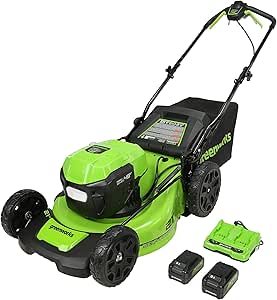
Greenworks 48V (24V x 2) 21-inch Self-Propelled Lawn Mower, Battery Kit
As an affiliate, we earn on qualifying purchases.
Background on Self-Watering Systems and Recent Concerns
Self-watering pots and raised beds have gained popularity over the past decade due to their convenience and water efficiency. These systems typically consist of a water reservoir, a wick or capillary system, and sometimes additional features like water level indicators. The trend has accelerated with increased interest in sustainable gardening and urban farming, especially during the COVID-19 pandemic.
Despite their benefits, reports from users have highlighted issues related to overwatering, particularly when the systems lack proper overflow features. While many products include drainage layers or overflow outlets, not all do, leading to potential waterlogging. The current spike in search interest appears linked to recent concerns about plant health, though no official industry-wide alerts or recalls have been issued.
Experts suggest that the key to safe and effective self-watering systems lies in the presence of an adequate overflow mechanism, but this has not been formally confirmed as a mandatory feature. This uncertainty has prompted consumers to scrutinize product details more carefully, especially during this peak gardening season.
Unconfirmed Details About the Essential Feature
It is not yet confirmed what specific feature is most critical in preventing plant drowning in self-watering pots and raised beds. While many experts suggest an overflow or drainage system, there is no official industry standard or certification to verify this. The exact design specifications, whether it involves a particular outlet size, placement, or additional water level indicators, remain unclear. Additionally, no official product recalls or safety warnings have been issued, and ongoing investigations by industry observers are still in progress.
Next Steps for Consumers and Industry Stakeholders
Manufacturers are expected to clarify and possibly standardize the presence of overflow or drainage features in their products. Consumers are advised to inspect products carefully before purchase, focusing on features like overflow outlets, drainage layers, or water level indicators. Industry groups may soon release guidelines or standards based on emerging research, helping consumers identify high-quality products. Further investigations and product testing are anticipated over the coming weeks, which should shed light on the definitive features necessary to prevent overwatering-related damage.
Key Questions
What should I look for in a self-watering pot or raised bed to prevent overwatering?
Check for features such as overflow outlets, drainage layers, or water level indicators. Ensure the product explicitly states it has an overflow or drainage mechanism designed to prevent waterlogging.
Is this a new issue or a longstanding concern?
While self-watering systems have been used for years, recent spikes in search interest suggest growing concern about specific design flaws, particularly related to overflow and drainage. The issue has gained prominence in September 2023 but is rooted in longstanding design considerations.
Are there any official standards or certifications for these features?
No, currently there are no universal industry standards or certifications specifically confirming the presence or adequacy of overflow features in self-watering containers. Consumers should rely on product descriptions and reviews.
What risks do I face if my self-watering system lacks this vital feature?
The primary risk is overwatering, which can cause root rot, plant stress, and eventual death. Proper overflow or drainage features are essential to mitigate these risks.
When will more information or standards be available?
Industry investigations and potential guideline releases are expected over the next few weeks. Consumers should stay informed and verify product features during this period.
Source: rss