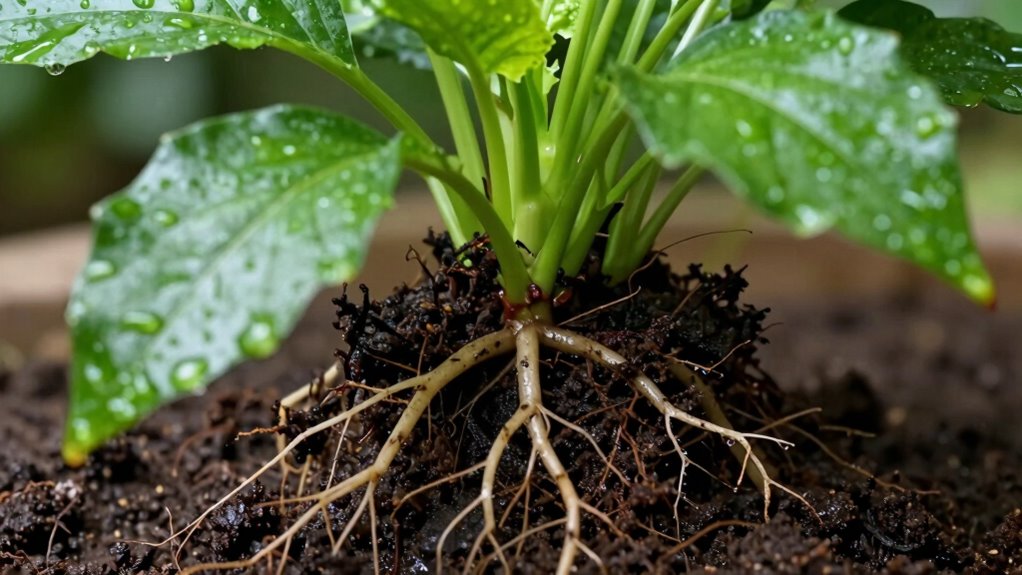

To improve plant health almost overnight, you should focus on loosening and aerating your soil to boost oxygen flow and microbial activity. Use tools like a garden fork to gently loosen compacted soil, add organic material like compost, and mulch around your plants. Maintain proper moisture without overwatering, and guarantee good drainage. These simple practices enhance nutrient absorption and root growth quickly. Keep exploring for more easy, effective root-zone habits to accelerate your plant’s vigor.

Get garden gear delivered free with Prime
- Fast, free delivery on millions of items
- Prime Video, Amazon Music and more included
- Member-only deals all year
Key Takeaways
- Loosening compacted soil improves oxygen flow and enhances root respiration immediately.
- Applying organic mulch retains moisture and reduces soil compaction around roots.
- Adding quick-release nutrients or liquid fertilizer boosts nutrient availability instantly.
- Proper watering based on soil moisture prevents stress and promotes rapid root growth.
- Enhancing soil aeration and drainage creates an optimal environment for swift plant recovery.
As an affiliate, we earn on qualifying purchases.
Why Healthy Soil Around Roots Boosts Plant Growth
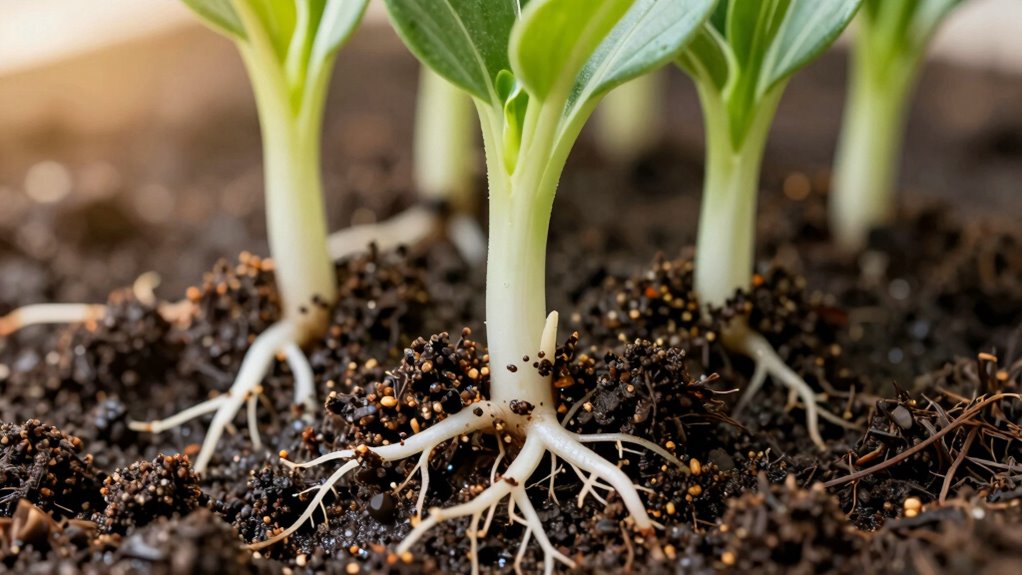
Healthy soil around your plant’s roots provides essential nutrients and oxygen, creating an ideal environment for growth. A thriving root microbiome develops when you enrich the soil with organic amendments like compost or manure. These organic materials feed beneficial microbes that help break down nutrients, making them more accessible to your plant. A diverse root microbiome not only boosts nutrient uptake but also enhances disease resistance and resilience against stress. Without healthy soil, roots struggle to absorb what they need, slowing growth and weakening your plant. By maintaining vibrant, organic-rich soil, you support a balanced microbiome that promotes strong root development. Additionally, incorporating diverse soil amendments can improve soil structure and overall health. Healthy soil creates a foundation where roots can flourish, leading to healthier, more vigorous plants overall. A plant-friendly microbiome is essential for maintaining this balance and ensuring long-term plant vitality. Maintaining soil health through regular organic inputs helps sustain this beneficial environment over time, fostering a robust microbial community.
What Is the Key Root-Zone Habit for Faster Resilience
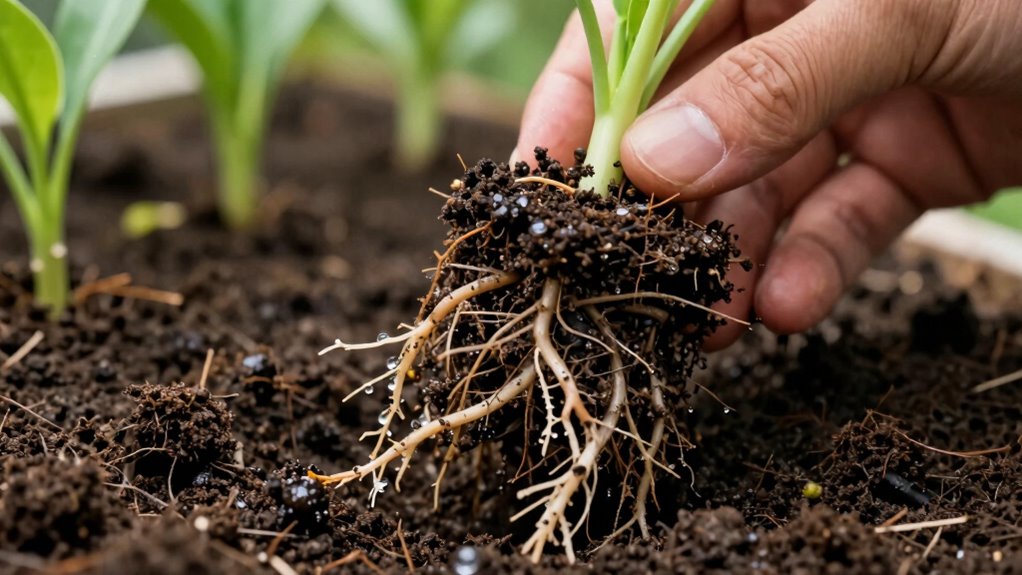
To boost your plant’s resilience, the most important root-zone habit is consistent moisture management. Maintaining steady soil moisture supports root health, preventing both dehydration and waterlogging. Healthy roots are more effective at absorbing nutrients and resisting stress. When moisture levels fluctuate, soil biology suffers, disrupting beneficial microbes that aid nutrient uptake and disease resistance. By watering consistently and avoiding extreme dryness or oversaturation, you promote a balanced environment that fosters vigorous root growth. This stability encourages beneficial soil organisms to thrive, creating a resilient root zone. Additionally, understanding meteorological advice can help you anticipate weather patterns that may affect your watering schedule. Incorporating soil testing can also help you monitor moisture levels more precisely, leading to better watering decisions. Recognizing the importance of soil microbiology further enhances your ability to maintain healthy soil ecosystems. Regularly observing and adjusting your watering habits based on soil moisture levels can significantly improve your plant’s ability to recover quickly from stressors and enhances overall health. Over time, this habit enhances your plant’s ability to recover quickly from stressors and improves overall health. In short, consistent moisture management lays the foundation for a resilient, thriving plant by supporting ideal root health and soil biology.
How to Refresh Your Root Zone for Immediate Results
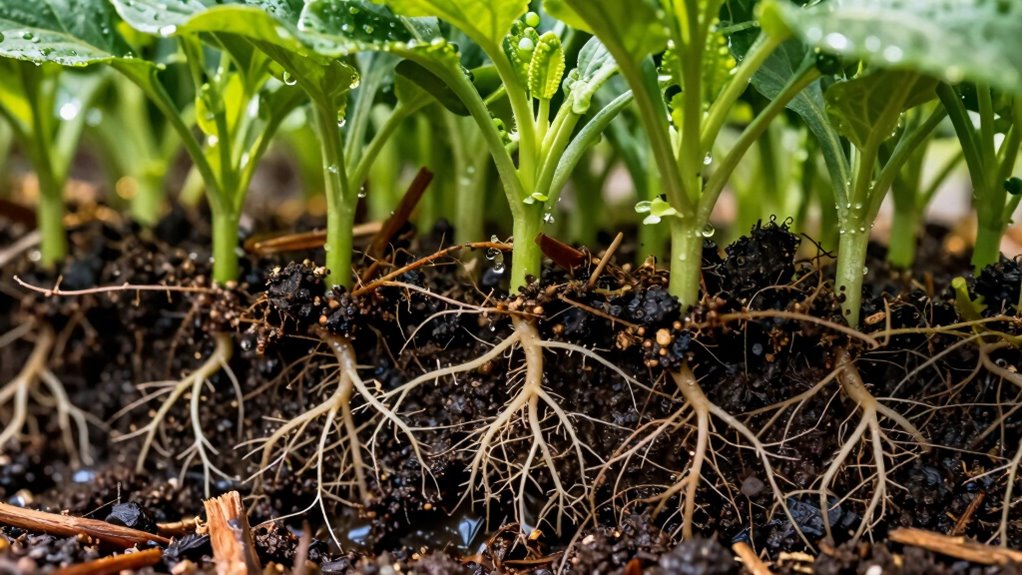
To give your plants an instant boost, start by loosening the soil to improve aeration, letting roots breathe easier. Next, add a nutrient-rich top dressing or liquid fertilizer to guarantee quick access to essential nutrients. These simple steps can make a noticeable difference in your plant’s health right away. Additionally, maintaining proper soil quality is key to supporting healthy root development and overall plant vitality. Ensuring good air circulation around the roots can further enhance root health and prevent issues like root rot. Incorporating proper watering practices also plays a vital role in maintaining optimal root conditions and preventing overwatering or drought stress. Furthermore, choosing the right watering schedule is crucial to avoid waterlogged soil and promote vigorous root growth. Being mindful of soil compaction can also help maintain healthy root zones and improve water infiltration.
Improve Soil Aeration
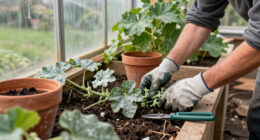
Have you noticed your plants struggling despite regular watering and fertilizing? Root compaction might be the culprit, preventing air from reaching the roots. To improve soil aeration, start by loosening the soil gently around the plants using a garden fork or aeration tool. This creates tiny channels for oxygen to penetrate the root zone. Additionally, applying organic mulching helps prevent soil compaction over time, keeping the soil loose and well-drained. Organic mulching also encourages beneficial microbial activity, which naturally improves soil structure. Avoid heavy equipment that can compact the soil further. Regularly aerating and mulching your plants’ root zone ensures they receive enough oxygen, promoting healthier roots and faster growth almost overnight. Soil health is essential for vibrant plant growth and can be significantly enhanced through these simple practices. Incorporating aeration techniques can further boost oxygen flow and soil vitality, especially when tailored to auditory processing needs of the soil environment. Using proper soil aeration methods can help prevent long-term compaction issues and support sustainable plant health. Additionally, incorporating organic matter into the soil can improve its overall structure and resilience.
Enhance Nutrient Access
When you want to see immediate improvements in your plants’ health, revitalizing the nutrient supply in the root zone is crucial. To enhance nutrient access, focus on improving soil structure by adding organic matter like compost or aged mulch. This creates a looser, more porous soil environment, allowing roots to penetrate deeper and access minerals more efficiently. Proper watering techniques also play a key role; avoid overwatering, which can leach nutrients away, and ensure consistent moisture levels. Additionally, consider using liquid fertilizers or root drenches that quickly deliver essential nutrients directly to the root zone. These steps strengthen root health and optimize nutrient uptake, resulting in healthier, more vigorous plants almost overnight. Keeping the soil well-structured ensures nutrients stay available and accessible for sustained plant growth. Incorporating principles of soil health and resilience can further support long-term plant vitality and overall plant growth, especially when combined with practices that support effective nutrient cycling.
Common Mistakes in Root-Zone Care and How to Avoid Them
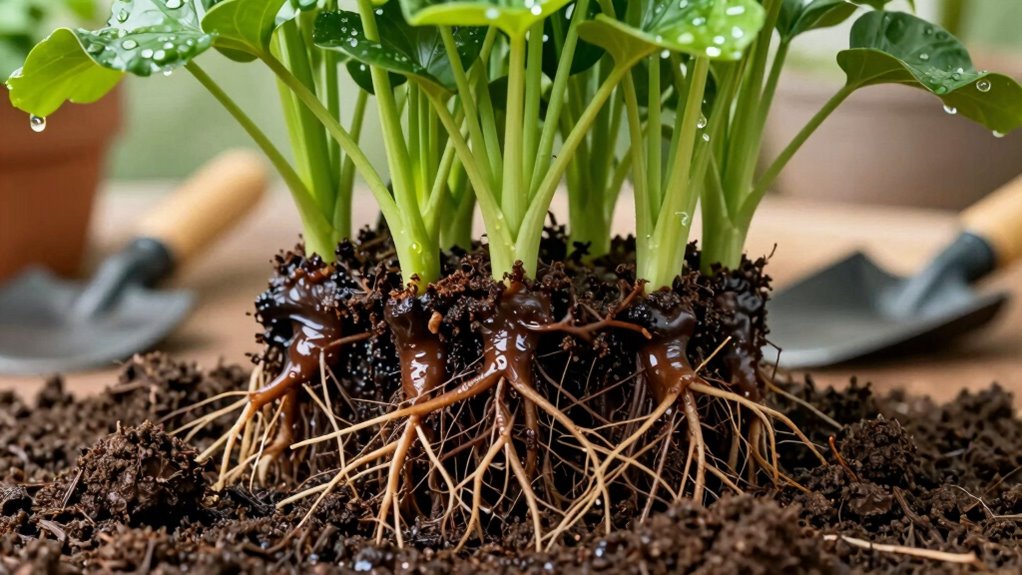
Many plant problems come from common root-zone mistakes like overwatering, choosing the wrong soil, or neglecting drainage. These errors can lead to root rot and poor growth if not addressed. Knowing how to avoid them helps keep your plants healthy and thriving. Additionally, understanding the importance of proper soil selection can significantly enhance root health and overall plant vitality. Incorporating landscaping techniques that complement your plants’ needs can also promote better root development and resilience. Being aware of dark psychology tactics can help you recognize and prevent manipulative behaviors that may affect your gardening decisions or interactions with others about plant care.
Overwatering Risks
Overwatering is one of the most common mistakes gardeners make, often leading to root rot and other health issues for plants. Too much water causes soil moisture levels to stay high, depriving roots of essential oxygen and increasing the risk of root damage. To prevent this, monitor soil moisture carefully—stick your finger into the soil to check if it’s still damp before watering again. Avoid watering on a strict schedule; instead, water only when the top inch of soil feels dry. Proper watering promotes root health and prevents damage caused by excess water. Remember, healthy roots need oxygen, so maintaining balanced soil moisture is key to preventing overwatering risks and supporting overall plant vigor.
Incorrect Soil Choice
Have you ever chosen soil that doesn’t support your plant’s roots? The soil composition directly affects the health of your plant’s root zone. Using soil that’s too dense or compacted restricts airflow and water movement, leading to root rot or dehydration. Conversely, soil that’s too sandy drains quickly, depriving roots of necessary moisture. Picking the right soil means understanding your plant’s needs—some prefer rich, organic mixes, while others thrive in well-draining, gritty substrates. An incorrect soil choice can stunt growth, cause nutrient deficiencies, or invite pests. Always match your soil’s composition to your plant’s root zone requirements. Proper soil selection creates a balanced environment that promotes strong, healthy roots, almost overnight improving overall plant health.
Neglecting Proper Drainage
Neglecting proper drainage can quickly undermine your plant’s health, even if the soil’s nutrient content is ideal. Poor drainage leads to waterlogged roots, which causes root compaction, reducing oxygen flow and weakening the plant. When roots are compressed, they become more susceptible to pests and diseases, making pest prevention harder. To avoid this, make sure your pots or garden beds have sufficient drainage holes, and use well-draining soil mixes. Regularly check moisture levels to prevent excess water from accumulating. Improving drainage promotes healthier root growth, prevents root rot, and keeps pests at bay. Proper drainage is a simple yet critical step toward maintaining vibrant, resilient plants. Neglecting it can turn your thriving garden into a problematic thicket almost overnight.
Easy Tips to Incorporate Root-Zone Maintenance Into Your Routine
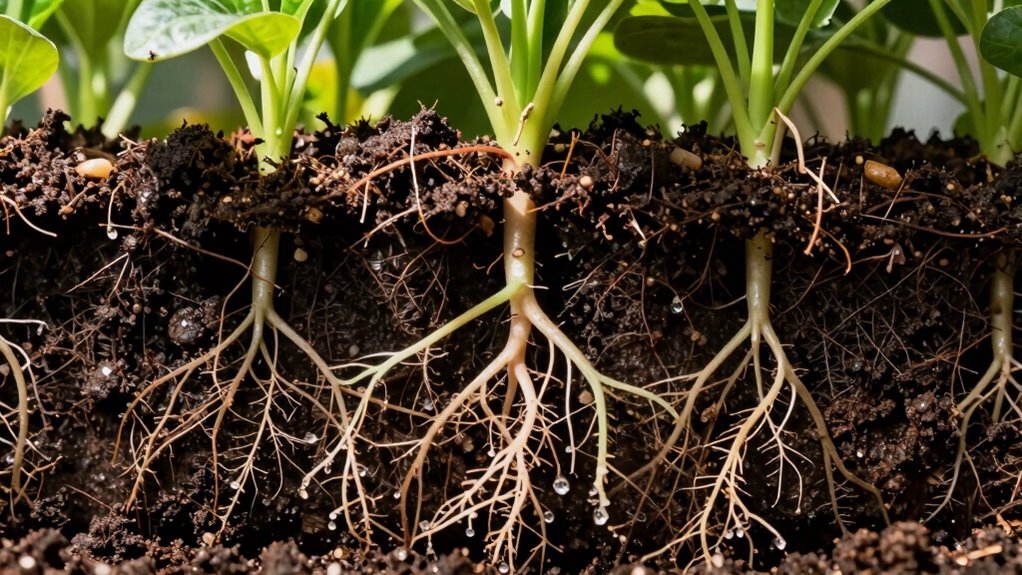
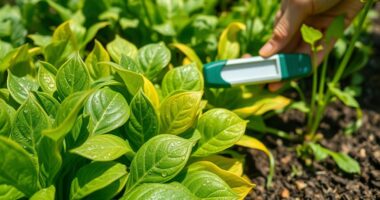
Incorporating root-zone maintenance into your routine doesn’t have to be complicated; simple, consistent actions can make a big difference. Start by checking your plant’s root zone regularly to guarantee soil health is intact. Keep the soil moist but not waterlogged, as overwatering can harm roots. Use a finger or a small tool to test soil moisture and loosen compacted soil gently. Adding organic matter, like compost, periodically boosts soil health and provides essential nutrients. Mulching around plants helps retain moisture, regulate temperature, and prevent weeds. These small steps, done consistently, improve root-zone conditions, supporting healthy growth. Over time, you’ll notice stronger, more resilient plants that thrive with minimal effort. Root-zone care becomes an easy, effective part of your regular gardening routine.
The Science Behind Rapid Plant Growth From Root-Zone Care
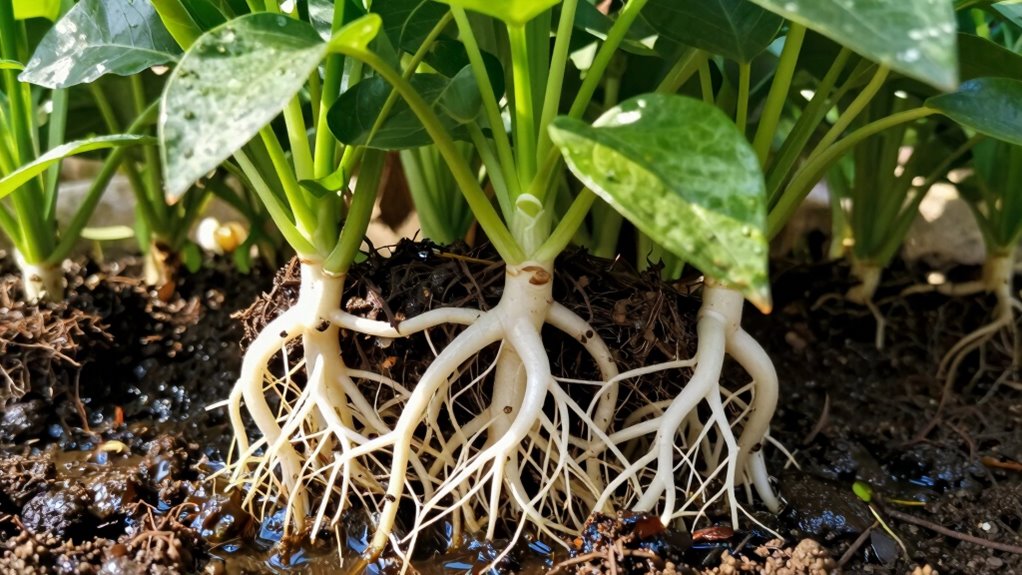
Healthy root zones lay the foundation for rapid plant growth by optimizing nutrient uptake and water absorption. When you nurture your roots, you encourage a diverse root microbiome that enhances nutrient availability and disease resistance. Healthy roots also help prevent soil compaction, which can restrict air flow and hinder root expansion. By avoiding compacted soil, roots penetrate more easily, accessing water and nutrients efficiently. A thriving root microbiome breaks down organic matter, releasing essential nutrients directly to your plants. This symbiotic relationship accelerates growth and overall health. Good root-zone care creates an environment where roots can expand rapidly, leading to faster, stronger plant development. The science shows that maintaining loose, healthy soil with a rich microbiome is key to access your plants’ full potential almost overnight.
Frequently Asked Questions
Can Root-Zone Habits Work for All Plant Types?
Root-zone habits can improve plant health, but their effectiveness depends on plant compatibility and soil preparation. Different plants have specific needs, so understanding your plant’s requirements guarantees successful results. Proper soil preparation, like adjusting pH or adding nutrients, supports healthy roots. When you customize your root-zone practices to each plant’s needs, you’ll notice quicker growth and stronger, more resilient plants, regardless of their type.
How Often Should I Perform Root-Zone Maintenance?
Think of root-zone maintenance as your plant’s secret handshake—do it regularly, about once a month, to keep things thriving. During this time, focus on soil aeration to prevent compaction and guarantee roots breathe freely. Also, prioritize nutrient balancing to meet your plant’s needs. Skip this, and your plant might feel like it’s stuck in a bygone era—unhealthy and unhappy. Consistent care keeps your garden lively and lush.
Are There Specific Tools Needed for Root-Zone Care?
For root-zone care, you’ll need basic tools like a trowel or small shovel for soil testing and aeration. Use watering techniques that guarantee deep, consistent moisture without overwatering, which helps roots grow stronger. A moisture meter can be handy to monitor soil health. These tools let you maintain ideal conditions, promoting healthier plants and quicker root development. Proper tools and watering techniques make a noticeable difference in your plant’s vitality.
What Signs Indicate My Plant Needs Root-Zone Attention?
You’ll notice your plant needs root-zone attention if the leaves turn yellow, wilt, or show stunted growth. Poor soil aeration can hinder nutrient absorption, causing health issues. Check if the soil feels compacted or waterlogged; these signs suggest your plant struggles with proper root oxygen. Addressing these problems by improving soil aeration helps enhance nutrient absorption, promoting healthier roots and vibrant growth.
Is Root-Zone Care Effective Indoors as Well as Outdoors?
Yes, root-zone care works indoors too. Did you know that proper soil aeration boosts oxygen flow to roots, helping plants absorb nutrients more efficiently? Whether indoors or outdoors, maintaining healthy soil promotes strong growth. Indoors, you can improve soil aeration by gently loosening the top layer or using breathable pots. Consistent root-zone attention enhances nutrient absorption, making your indoor plants healthier and more vibrant.
Conclusion
By nurturing your root zone, you nurture your plants’ vitality; by revitalizing your soil, you rejuvenate your growth; by avoiding mistakes, you avoid setbacks. Embrace simple habits, implement quick improvements, and observe rapid results. Prioritize healthy soil, consistent care, and mindful adjustments. In doing so, you create a thriving environment, foster resilient roots, and unleash vibrant, vigorous plant growth—all almost overnight. Your garden’s transformation begins with the roots beneath your fingertips.
Fall Picks
fall essentials
As an affiliate, we earn on qualifying purchases.