
TL;DR

Get garden gear delivered free with Prime
- Fast, free delivery on millions of items
- Prime Video, Amazon Music and more included
- Member-only deals all year
A Gardener’s Path guide outlines how to protect hardy garden chrysanthemums so they may return after winter. It recommends spring planting for in-ground plants, extra protection for established mums in cold regions, and winterizing container plants in Zones 7 and below. Survival depends on the mum type, local climate and care.
Gardener’s Path has published guidance on overwintering hardy garden chrysanthemums, advising gardeners to distinguish perennial garden mums from less cold-hardy exhibition types and protect plants according to their growing conditions. The advice matters to people hoping to keep fall-blooming mums for another season rather than treat them as temporary decorations, although survival is not guaranteed.
The report identifies hardy garden mums as Chrysanthemum × morifolium and contrasts them with exhibition chrysanthemums, which it says generally have shallow roots and are not suited to outdoor overwintering. Many garden mums are suitable for USDA Hardiness Zones 5 to 9, while some cultivars are reported to tolerate colder conditions. The plant label and local hardiness zone are relevant when deciding what protection to provide.
For gardeners who want mums to return as perennials, the article recommends planting in spring. Fall-bought plants may be flowering heavily rather than putting energy into roots, and planting them shortly before winter can leave too little time to establish. The report advises keeping newly purchased or gifted fall mums in pots over winter, then planting them in the ground the following spring if desired.
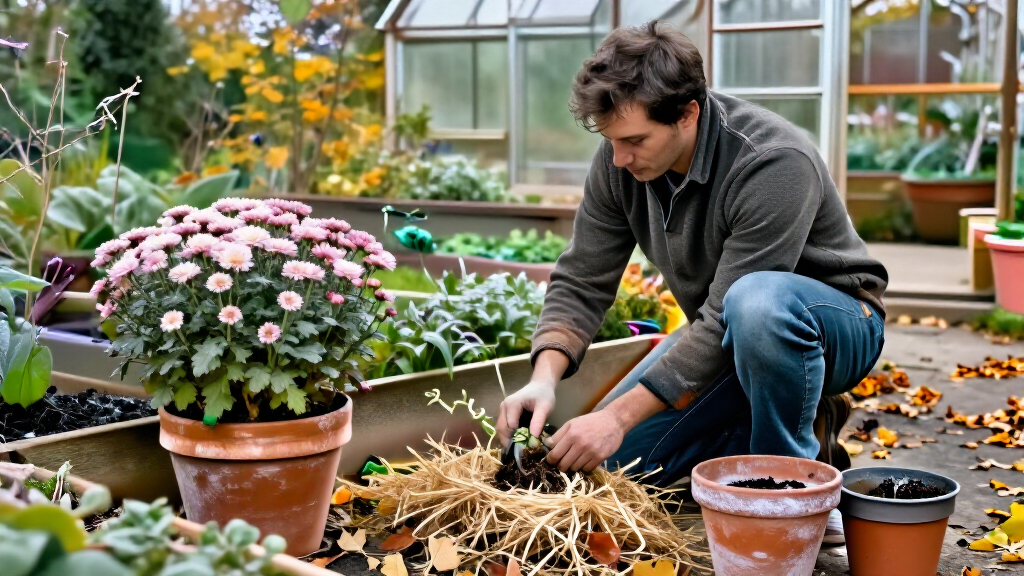
Established in-ground plants need different care from container plants. The report says mums in Zones 4 to 7 need winter protection, while in-ground plants in Zones 8 and above can generally remain outside, with additional cover if frost is forecast. Container-grown mums are more exposed to cold and should be winterized in Zones 7 and below if gardeners want to preserve them.
Keeping Fall Mums for Another Season
Many mums sold in autumn are already in bloom, which can make them look ready for the garden even when the season is nearly over. The report’s timing advice helps gardeners avoid assuming that a newly purchased flowering plant can be planted outdoors immediately and reliably survive winter. Planting time and root establishment can affect the prospects of keeping a mum as a perennial.
Overwintering may also reduce the need to replace plants each fall and can allow established garden mums to grow larger in later seasons, according to the report. That outcome depends on the variety and conditions; the guidance does not promise that every plant will survive. Gardeners should weigh the effort of protection against their climate and whether the plant is a hardy garden type.
hardy garden chrysanthemum winter protection
As an affiliate, we earn on qualifying purchases.
As an affiliate, we earn on qualifying purchases.
Choosing Mums for Local Winters
The report says garden mums are widely sold as summer fades, but appearance alone does not establish how much cold a plant can tolerate. It describes common garden mums as hardy to around Zone 4 with suitable care, while some named cultivars are presented as able to withstand colder zones. It gives ‘Mammoth Daisy Coral’ and ‘Mammoth Daisy Quill’ as examples listed as hardy to Zone 3.
Site conditions matter during the growing season as well. Gardener’s Path recommends a full-sun location and well-drained soil. The report also distinguishes the risks for plants in the ground from those in pots: containers are more susceptible to winter cold, so gardeners should not assume that a plant’s in-ground hardiness rating provides the same protection in a pot.
Survival Depends on Plant and Climate
The source does not provide a guarantee that a particular mum will return, nor does the supplied material spell out a single protection schedule for every region. Exact cultivar hardiness, local winter temperatures, whether the plant is established, and whether it is in a pot or in the ground all affect the outcome. The report’s zone guidance is general and should not be treated as a promise of survival.
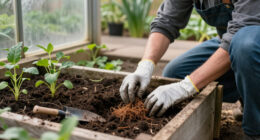
The supplied excerpt also ends before detailing all winter-preparation steps. It mentions mulching and says burlap or an overturned cardboard box can provide extra cover during a frost in warmer regions, but it does not specify precise mulch depth, timing or a full container-storage method. Gardeners should check the complete instructions and any cultivar-specific growing information before acting.
Prepare Plants Before Cold Weather
Gardeners planning to save fall-bought mums can keep them in their containers through winter and plant them outdoors in spring, following the source’s recommendation. For established plants, the next step is to check the USDA zone, cultivar and planting location, then arrange appropriate protection before severe cold or forecast frost. Container plants in Zones 7 and below warrant particular attention.
In spring, gardeners can assess which plants have resumed growth and decide whether to leave them in pots or transplant them into a sunny, well-drained site. The available report offers general guidance rather than a forecast of how individual plants will fare; results will become clear as local weather and spring growth unfold.
Key Questions
Can hardy garden mums survive winter outdoors?
Some can, depending on the cultivar, climate and protection. The report says many garden mums are suited to Zones 5 to 9, with some varieties listed as hardy to Zone 3. Survival is not guaranteed.
Should I plant a mum I bought in fall?
If the goal is to keep it as a perennial, Gardener’s Path recommends waiting until spring. A fall-blooming plant may not have enough time to establish roots before winter. Keep it in its pot over winter, then plant it in spring if appropriate.
Do potted mums need winter protection?
Yes. The report says container mums are more susceptible to cold than plants growing in the ground and should be winterized in Zones 7 and below if they are to be kept.
Which conditions do garden mums prefer?
The report recommends full sun and well-drained soil during the growing season. It also advises checking the plant’s variety and local hardiness zone when planning for winter.
Source: rss
Columbus Day / Indigenous Peoples' Day Picks
long weekend sales
As an affiliate, we earn on qualifying purchases.