TL;DR

Get garden gear delivered free — and shop member deals
- Fast, free delivery on millions of items
- Access to Prime Big Deal Days deals on October 6–7
- Prime Video, Amazon Music and more included
A gardener reports that using a $4 dog comb in August helps control weeds, saving hours of work in spring. This simple, inexpensive method offers an effective garden maintenance tip.
A gardener has found that spending just five minutes in August using a $4 dog comb can greatly reduce the amount of weeding needed in spring. This simple technique, shared by the gardener, offers a low-cost, quick solution to a common gardening challenge, potentially saving hours of effort later.
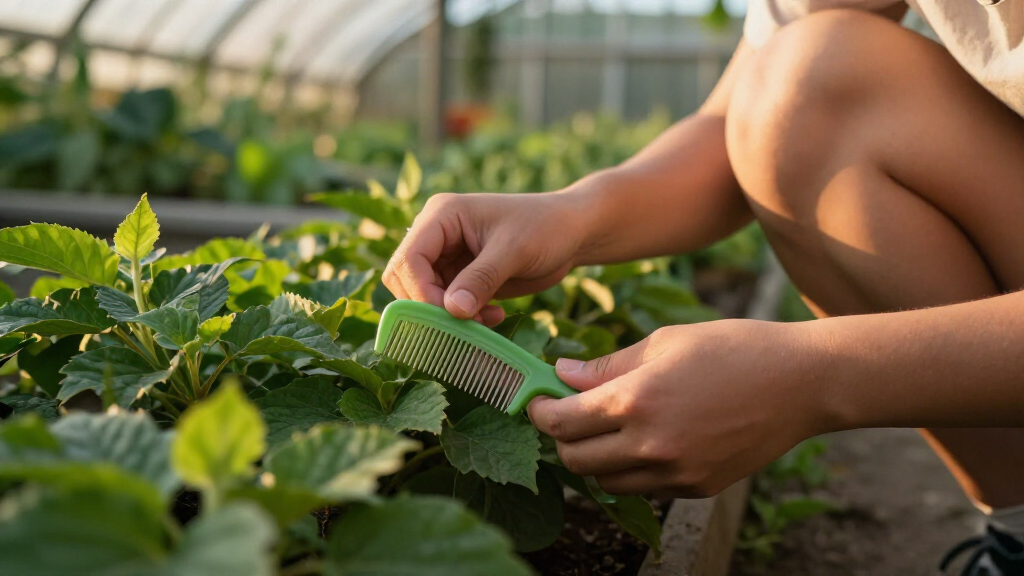
The gardener, who prefers to remain anonymous, reports that combing through their garden beds with a basic dog grooming tool in August helps dislodge and remove young weeds before they establish deep roots. The method, which takes about five minutes, is claimed to significantly decrease weed growth by spring, reducing the need for extensive manual weeding.
The dog comb used costs approximately $4 and is readily available at pet stores or online. The gardener emphasizes that the comb’s fine teeth effectively catch small weeds and their roots, preventing them from taking hold. This approach is described as easy, inexpensive, and suitable for gardeners of all experience levels.
Potential Impact of Early-Season Weed Control
This method could change how gardeners approach weed management, especially for those seeking low-cost, low-effort solutions. If effective, it offers a way to reduce spring labor and chemical use, promoting more sustainable gardening practices. The approach also highlights the importance of early intervention during the growing season to maintain garden health and aesthetics.
dog grooming comb for weed control
As an affiliate, we earn on qualifying purchases.
As an affiliate, we earn on qualifying purchases.
Previous Weed Control Methods and Seasonal Timing
Weed control is a perennial challenge for gardeners, often requiring hours of manual labor or chemical treatments. Traditionally, many rely on spring or early summer weeding, which can be time-consuming. The gardener’s discovery in August suggests that early intervention, even with simple tools, can have a lasting impact on weed proliferation. This aligns with broader gardening principles emphasizing preventative measures to reduce long-term effort.
“Using a $4 dog comb in August takes just five minutes but cuts down on hours of weeding in spring. It’s an easy, inexpensive way to keep weeds at bay.”
— Anonymous gardener
Effectiveness of the Technique Across Different Gardens
While the gardener reports positive results, it is not yet confirmed how universally effective this method is across various garden types, soil conditions, or weed species. Scientific studies or broader trials are needed to validate the technique’s general applicability and long-term benefits.
Monitoring Spring Results and Broader Adoption
The gardener plans to observe weed growth in spring to assess the long-term impact of this August treatment. Additionally, gardening communities may test and share their experiences with the method, potentially leading to wider adoption if results prove consistent.
Key Questions
Can I use any dog comb for this method?
Most likely, yes. A fine-tooth dog comb similar to the one described, costing around $4, should work effectively for dislodging young weeds.
Is this method safe for all garden types?
While generally safe, gardeners should consider soil and plant conditions. It’s advisable to test on a small area first to ensure no unintended damage occurs.
Will this prevent all weeds from growing in spring?
It is unlikely to eliminate all weeds but may significantly reduce their number and ease spring weeding efforts. Combining this with other weed management practices can improve results.
Does this method work better in certain climates?
Effectiveness may vary depending on climate and weed species. Gardeners in warmer, wetter areas may see different results than those in cooler or drier regions.
How often should I repeat this August treatment?
The gardener recommends applying the combing technique once in August, ideally during a dry, calm day for best results. Additional sessions are not typically necessary unless weeds persist.
Source: rss
Fall Picks
fall essentials
As an affiliate, we earn on qualifying purchases.