
TL;DR

Get garden gear delivered free with Prime
- Fast, free delivery on millions of items
- Prime Video, Amazon Music and more included
- Member-only deals all year
Gardening experts advise pruning lavender this weekend to boost its winter resilience. Proper pruning can prevent damage from cold weather and promote healthier growth in spring.
Gardening experts recommend pruning lavender this weekend to help the plant withstand upcoming winter cold. This advice aims to improve the plant’s winter survival and promote healthier growth in the spring, making it a timely and practical gardening tip for homeowners and landscapers.
According to horticultural specialists, pruning lavender during late autumn or early winter is a key step in winterizing the plant. The recommended period is before the first hard frost, typically during the current weekend, to remove dead or woody stems and encourage new, resilient growth.
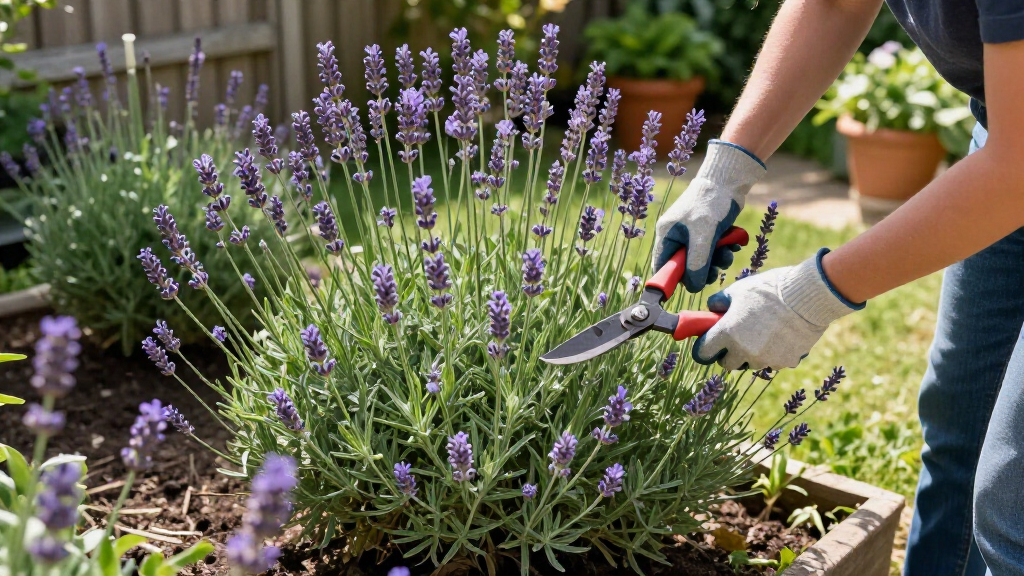
Experts from the National Garden Association emphasize that proper pruning can reduce the risk of winter damage caused by cold winds and freeze-thaw cycles. They advise using clean, sharp tools to cut back approximately one-third of the plant’s height, focusing on woody stems that have become leggy or overly dense.
While the advice is widely supported by gardening authorities, some gardeners claim that pruning too late in the season may risk exposing new growth to cold damage. However, current guidelines suggest that timely pruning, combined with mulching and protective coverings, can significantly improve lavender’s winter hardiness.
Why Proper Pruning Now Can Save Your Lavender
This advice matters because lavender is a popular ornamental and aromatic plant that can be sensitive to harsh winter conditions. Proper pruning enhances its resilience, reduces winter kill, and promotes healthier growth in the following season. For gardeners, this means less replanting and maintenance in spring, and a more vibrant, fragrant garden year-round.
Additionally, healthy, well-pruned lavender can better resist pests and diseases, which often take hold when plants are stressed by cold or neglect. As climate patterns shift and winter weather becomes more unpredictable, timely pruning becomes an increasingly important part of winter garden care.
As an affiliate, we earn on qualifying purchases.
Timing and Techniques for Effective Lavender Pruning
Lavender pruning is best performed in late autumn, ideally during a dry spell before the first hard frost, which varies by region but generally occurs between late October and early December. The goal is to remove spent stems, thin out dense growth, and shape the plant for winter survival.
Experts recommend cutting back about one-third of the plant, focusing on woody stems that no longer produce leaves or flowers. Using clean, sharp pruning shears minimizes damage and prevents disease spread. Mulching around the base of the plant can also provide additional insulation against cold temperatures.
Previous seasons’ experiences indicate that neglecting to prune or delaying pruning until spring can lead to increased winter damage, especially in colder zones. This practice is part of standard winterization routines recommended by horticulture authorities.
Uncertainties About the Best Pruning Practices for Different Climates
While experts agree on pruning before the first frost, there remains some debate about the optimal amount to cut back and whether certain lavender varieties respond differently. Regional climate variations may also influence the effectiveness of pruning timing and techniques, but specific guidance for all zones is not yet available.
Additionally, some gardeners question whether pruning might encourage new growth that could be vulnerable to cold damage if done too early or too aggressively. Further research and region-specific recommendations are ongoing.
Monitoring Weather and Applying Protective Measures Post-Pruning
Following the weekend pruning, gardeners are advised to monitor weather forecasts for upcoming frosts. Applying mulch around the base of lavender plants can provide extra insulation. In colder regions, protective covers or windbreaks may also be recommended to shield plants from extreme cold.
Gardeners should also plan for spring pruning and fertilization to support healthy regrowth. Ongoing research may refine best practices, but current advice suggests that early, careful pruning combined with winter protection maximizes lavender’s survival chances.
Key Questions
Why is it important to prune lavender before winter?
Pruning helps remove dead or woody stems, reduces the risk of winter damage, and encourages healthy growth in spring. It prepares the plant to withstand cold temperatures better.
Can I prune lavender in late winter or early spring instead?
While some pruning can be done later, experts recommend pruning in late autumn before the first hard frost for optimal winter protection.
How much should I prune lavender during this session?
Typically, prune about one-third of the plant’s height, focusing on woody stems that have become leggy or overgrown.
Does pruning vary by lavender variety or climate?
Yes, some varieties respond differently, and regional climate conditions can influence timing and techniques. Consult local gardening resources for tailored advice.
What other steps can I take to protect lavender during winter?
Applying mulch, covering plants with protective fabric, and placing windbreaks can help safeguard lavender from extreme cold and wind damage.
Source: rss
Halloween Picks
halloween
As an affiliate, we earn on qualifying purchases.