TL;DR
In August, rose gardeners should focus on five key tasks: pruning, watering, feeding, pest control, and deadheading. These steps help promote healthy growth and abundant, fragrant flowers. Proper care now can extend the blooming season and improve overall plant health.
Gardeners should perform five essential tasks in August to ensure their roses produce many more fragrant flowers. These tasks include pruning, watering, feeding, pest control, and deadheading. Experts say proper care during this month is critical for maintaining healthy, blooming roses and extending the flowering season.
According to horticultural specialists, August is a crucial month for rose care, especially in temperate climates. The first task is light pruning to remove spent blooms and shape the plant, which encourages new growth. Gardeners are advised to avoid heavy pruning that could stress the plant during hot weather.
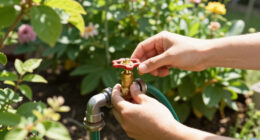
Proper watering is vital; roses need deep, consistent moisture, particularly during dry spells. Experts recommend watering at the base to prevent fungal diseases and to keep the soil evenly moist. Feeding with a balanced fertilizer rich in potassium supports flower production and root development.
Pest control remains important; gardeners should monitor for aphids, black spot, and other common rose pests and diseases. Applying appropriate organic or chemical treatments as needed can prevent infestations that weaken the plants. Finally, deadheading—removing faded flowers—stimulates the plant to produce new blooms and keeps the plant looking tidy.
These five tasks, when performed correctly, can significantly enhance the health and flowering potential of roses during late summer, according to horticulture experts.
Why August Care Is Crucial for Roses’ Future Blooms
Proper rose care in August directly impacts the plant’s ability to produce abundant, fragrant flowers later in the season. Well-maintained roses are less susceptible to pests and diseases, which can cause long-term damage. Additionally, these practices help extend the blooming period, providing gardeners with continuous visual and aromatic enjoyment. For rose enthusiasts and landscape managers, timely August care can mean the difference between a lush display and a sparse, stressed plant.
As an affiliate, we earn on qualifying purchases.
August as a Key Month for Rose Maintenance
Rose care varies throughout the growing season, but August is particularly important for setting the stage for fall blooms. Historically, gardeners have emphasized pruning and feeding in late summer to promote healthy regrowth. Recent advice from horticultural sources underscores the importance of consistent watering and pest management during this period, especially in regions experiencing drought or high temperatures. Prior to August, many gardeners have already begun deadheading, but continued maintenance is necessary to sustain flowering and plant vigor.
“August is the critical month to give roses the attention they need to produce a final burst of fragrant flowers before the season ends.”
— Dr. Susan Green, horticulturist
Uncertainties About Optimal August Rose Care Practices
While experts agree on the general tasks, specific recommendations may vary depending on climate, rose variety, and local conditions. It is not yet clear how much pruning is optimal for different types of roses in August, or whether certain pest control methods are universally effective. Additionally, the impact of late-season feeding on long-term plant health remains under study, with some gardeners questioning whether it may encourage unwanted growth or disease susceptibility.
Next Steps for Rose Care After August
Following August care, gardeners should prepare for fall by removing any remaining dead or diseased foliage and planning for winter protection if necessary. Monitoring roses for pests and diseases should continue into early fall. As the season progresses, gardeners may need to adjust watering and feeding schedules based on weather conditions. Experts recommend assessing the overall health of the roses in late summer to plan for pruning and winterization in the coming months.
Key Questions
Can I prune roses heavily in August?
Experts generally advise against heavy pruning in August, as it can stress the plant during hot weather. Light pruning to remove spent blooms and shape the plant is recommended.
How often should I water my roses in August?
Deep, consistent watering is recommended at least once a week, more frequently during hot or dry conditions. Water at the base to prevent fungal diseases.
What type of fertilizer is best for roses in August?
A balanced fertilizer high in potassium supports flowering and root development. Organic options like compost tea or specialized rose feeds are suitable.
Should I deadhead roses now?
Yes, deadheading encourages new blooms and maintains the plant’s appearance. Remove faded flowers regularly throughout August.
Are pests a major concern in August for roses?
Yes, pests like aphids and diseases such as black spot are common. Regular monitoring and treatment help keep roses healthy during late summer.
Source: rss