TL;DR

Get garden gear delivered free with Prime
- Fast, free delivery on millions of items
- Prime Video, Amazon Music and more included
- Member-only deals all year
A Homes & Gardens report recommends five November care steps for Thanksgiving cacti: provide bright, indirect daytime light, water according to soil dryness, keep temperatures steady, support flowering with long uninterrupted nights, and avoid unnecessary disturbance. The advice is intended to help developing buds open and reduce stress; it does not guarantee blooms, and the source does not provide experimental evidence for its recommendations.
Homes & Gardens has published five November care tips for Thanksgiving cactus owners, advising them to balance light, watering, temperature and nighttime darkness as plants develop holiday-season blooms. The guidance matters because changing conditions can stress a budding plant, while the article says consistent care may help buds open and remain on the plant.
The report recommends placing a Thanksgiving cactus in bright, indirect light during the day. An east-facing window is suggested for gentler morning sun; a bright north-facing window may also work if it receives enough light. Stronger afternoon sun from a south- or west-facing window can be filtered with a sheer curtain, since direct rays may scorch the plant’s fleshy stem segments. The article says a dark corner is not a substitute for the long nights associated with flowering.
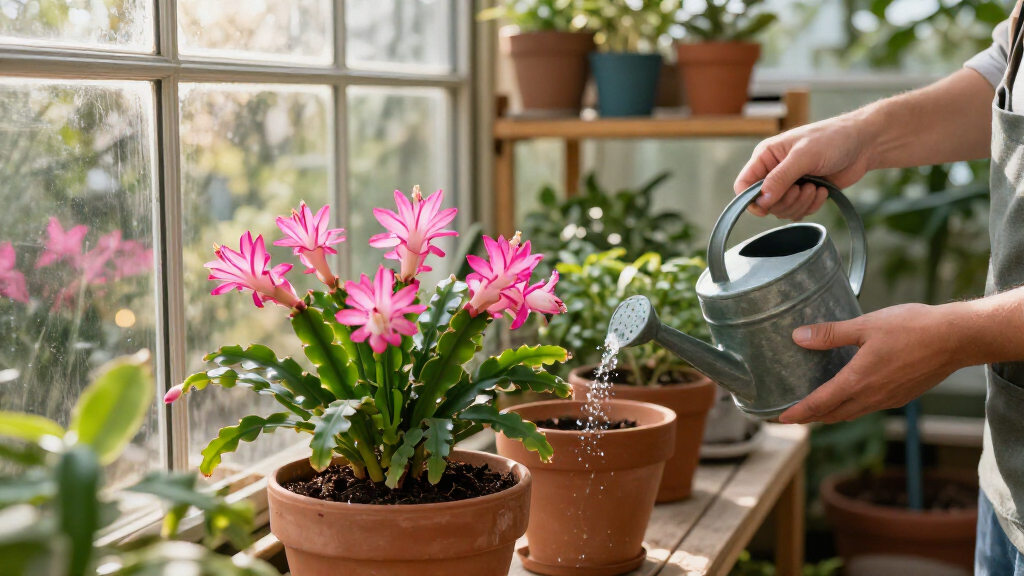
For watering, the advice is to check the potting mix rather than follow a fixed schedule. When its surface starts to dry, water thoroughly and let excess drain through the pot’s holes, then empty the saucer. The report cautions against both waterlogged soil and leaving the mix completely dry for an extended period while buds are developing. It also recommends a well-draining mix and says to avoid repotting in November unless needed, because root disturbance may add stress.
The remaining tips concern steady temperatures and flowering conditions. The article gives a target of about 65–70°F during the day and 55–65°F at night, and advises keeping the plant away from drafts, exterior doors, heaters and heating vents. For a plant with no buds, it recommends bright daytime light and roughly 12–14 hours of uninterrupted darkness each night. Once buds appear, the report advises avoiding unnecessary moves and abrupt changes in light, temperature or humidity.
Keeping Developing Buds on the Plant
The advice is aimed at a familiar seasonal problem: buds may drop before opening if a plant is stressed by sudden changes or unsuitable conditions. For people hoping to display flowers during the holidays, attention to where a cactus sits and how its soil dries can matter as much as the calendar. The recommendations also distinguish Thanksgiving cacti from desert cacti: the article describes them as tropical plants that need moisture, but not persistently soggy roots.
The guidance is practical rather than a guarantee of a particular bloom date or display. Individual plants may respond differently depending on their existing health, growing conditions and whether flowering has already begun. The report’s central point is to keep conditions stable while buds form and open, rather than making major changes late in the season.
Products Worth Considering

Orbit B-hyve Smart Indoor/Outdoor 12-Zone Sprinkler Controller
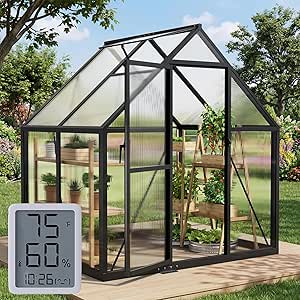
Sylviera 6 x 4 ft Polycarbonate Greenhouse with Hygrometer

Solo Stove Bonfire 2.0 Smokeless Wood-Burning Fire Pit with Stand, Silver
As an affiliate, we earn on qualifying purchases.
November’s Light and Indoor Conditions
Thanksgiving cacti are commonly grown as houseplants for seasonal flowers. The source report says they originate in Brazilian tropical forests, which helps explain why it recommends more moisture than for desert cacti while still emphasizing drainage. In November, shorter days and the use of indoor heating can change the light, temperature and humidity around a plant.
The report separates the needs of a plant that already has buds from those of one that has not begun flowering. For budding plants, it emphasizes consistency. For plants without buds, it points to long, uninterrupted nights as a flowering cue, alongside bright indirect light during the day. It does not say every plant will flower in November or by a specific holiday.
““Thanksgiving cactus care in November is all about getting the balance right.””
— Homes & Gardens report
Bloom Timing Varies by Plant
The supplied report does not provide research data or trials showing how reliably the five steps change flowering outcomes. Its recommendations are presented as plant-care guidance, not as a guarantee that a cactus will bloom or that buds will be retained. The source excerpt also ends partway through its discussion of cooler nights, so it does not include the full explanation of that point.
Individual results and timing remain uncertain. The article does not specify how quickly a plant without buds might respond to longer nights, nor does it address every possible cause of bud drop. The care advice may need to be adjusted to the plant’s actual light, soil and room conditions.
Monitor Conditions Through Blooming
Owners can apply the guidance through November by checking the soil before watering, keeping the plant in suitable indirect light and watching for drafts or nearby heat sources. If buds have formed, the report recommends keeping its position and environment consistent rather than moving it without a clear need. If buds have not appeared, it suggests reviewing daytime light and whether nights are long and uninterrupted.
As flowers open, continued observation will show whether the plant is coping with its location. The report does not announce a follow-up test, a guaranteed bloom schedule or a single care plan for every home; the next step for readers is to respond to their plant’s condition and avoid sudden changes.
Key Questions
How much light should a Thanksgiving cactus get in November?
Give it bright, indirect light during the day. The report suggests an east-facing window or a sufficiently bright north-facing one; filter strong afternoon sun from south- or west-facing windows.
How often should I water a Thanksgiving cactus?
Do not rely on a fixed schedule. Check the potting mix and water when its surface begins to dry, allowing excess water to drain and emptying the saucer. Avoid leaving the plant in soggy soil.
What temperatures does the report recommend?
It suggests about 65–70°F during the day and 55–65°F at night. Keep the plant away from drafts, heating vents and other sources of sudden temperature changes.
Can I encourage a Thanksgiving cactus that has no buds?
The report recommends bright, indirect daytime light and about 12–14 hours of uninterrupted darkness each night. These are suggested conditions, not a guarantee that buds will form on a particular schedule.
Should I repot my Thanksgiving cactus in November?
The article advises against repotting during November unless it is necessary, because disturbing roots may stress a plant preparing to flower. It recommends well-draining soil and a pot with drainage holes.
Source: homesandgardens.com