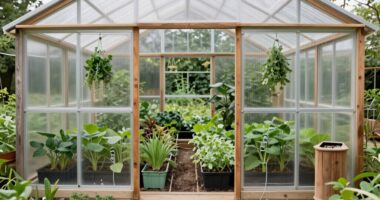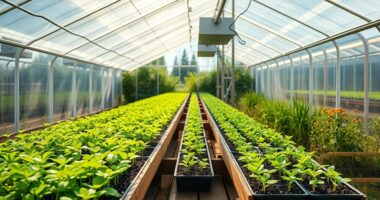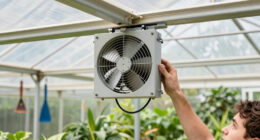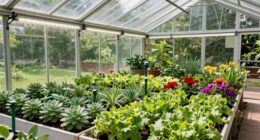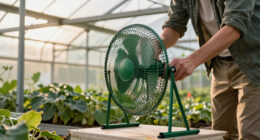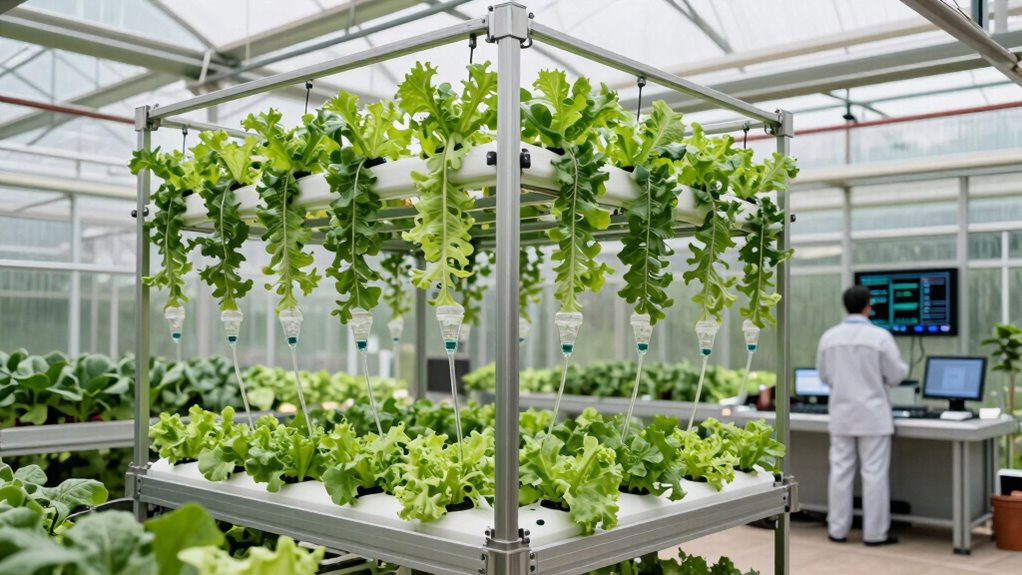

You can use high-ticket equipment to support low-waste growing by investing in precision tools like automated watering systems and climate control units with smart sensors. These systems adjust resources automatically based on environmental data, reducing excess and waste. Incorporate renewable energy sources like solar-powered grow lights to cut energy use further. By integrating these advanced technologies, you’ll maximize efficiency and sustainability. Keep exploring how each piece can help you create a more eco-friendly operation.
Key Takeaways
- Integrate advanced climate control systems with smart sensors to maintain optimal growing conditions and reduce environmental waste.
- Utilize automated watering and lighting systems linked to real-time soil and light sensors for precise resource application.
- Incorporate renewable energy sources like solar power to operate equipment sustainably and decrease reliance on grid energy.
- Implement centralized control systems to monitor and manage resource use, identifying inefficiencies and reducing excess.
- Choose energy-efficient, high-tech tools that maximize resource use and support long-term sustainability goals.

Growing your plants efficiently while minimizing waste requires investing in high-quality equipment designed for precision and sustainability. When you select the right tools, you set the foundation for a more eco-friendly and cost-effective operation. High-ticket equipment often features advanced technology that helps maximize resource use, reducing excess and waste. For example, choosing climate control systems with smart sensors ensures your environment stays within ideal parameters, minimizing energy waste and preventing overuse of heating or cooling. These systems often leverage sustainable energy sources, such as solar power, to operate efficiently and lower your carbon footprint.
Invest in precision climate control with smart sensors and solar power for eco-friendly, efficient plant growth.
Automation techniques play a critical role in supporting low-waste growing practices. Automated watering systems, for instance, deliver precise amounts of water directly to plants based on real-time data, eliminating overwatering and runoff. These systems often connect to moisture sensors that monitor soil conditions continuously, adjusting watering schedules automatically. This not only conserves water but also promotes healthier plant growth by maintaining consistent moisture levels. Similarly, automated lighting setups can be programmed to mimic natural sunlight cycles, reducing energy consumption during off-peak hours and ensuring your plants receive the right amount of light without excess. Incorporating advanced technology into your setup can significantly enhance efficiency and waste reduction.
Investing in high-ticket equipment that incorporates sustainable energy solutions can make a big difference in your overall waste reduction efforts. Solar-powered grow lights and climate control units reduce your reliance on grid electricity, which often comes from non-renewable sources. These energy-efficient tools not only cut costs over time but also align with environmentally conscious practices. Additionally, modern automation techniques allow you to monitor and control your entire growing environment remotely, giving you the ability to fine-tune conditions without unnecessary energy expenditure. Incorporating energy-efficient tools is crucial for a comprehensive sustainable approach.
By leveraging high-quality, automated equipment, you maximize precision while minimizing waste. You can track resource usage closely, identify inefficiencies, and make adjustments that improve sustainability. Implementing resource management strategies can further optimize your operations and reduce unnecessary consumption. For instance, integrating a centralized control system that manages lighting, watering, and climate adjustments helps you orchestrate your grow setup holistically. This approach reduces redundancies and waste, while also saving you money on utilities and supplies over the long run.
Using sustainable energy sources such as solar power not only benefits the environment but also enhances the resilience and independence of your growing operation. In essence, the combination of sustainable energy and automation techniques with high-ticket equipment empowers you to grow smarter. You gain better control over your environment, cut down on excess resource use, and foster a more sustainable operation. With these investments, your growing process becomes more efficient, eco-conscious, and ultimately more profitable, helping you achieve your goals while respecting the planet.
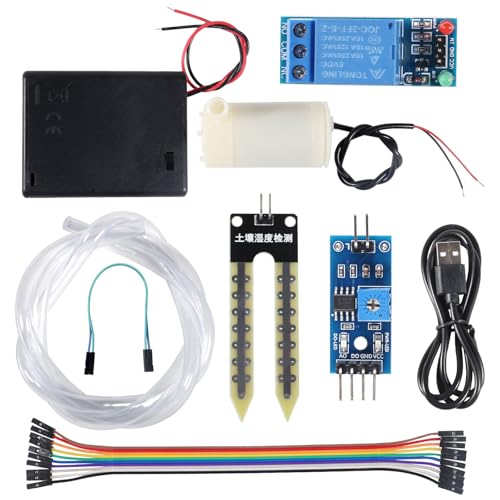
AEDIKO Upgrade Automatic Irrigation DIY Kit Self Watering System with Capacitive Soil Moisture Sensor 5V Relay Module and Water Pump + 50cm Silicone Tubing for Garden Plant Flower Watering DIY
- Automatic Plant Watering System: Self-watering DIY kit with sensors and pump
- Soil Moisture Sensor: LM393 chip-based, easy to install
- Relay Module: 5V, 10A load capacity, with indicators
As an affiliate, we earn on qualifying purchases.
As an affiliate, we earn on qualifying purchases.
Frequently Asked Questions
How Do I Determine Which High-Ticket Equipment Suits My Specific Crops?
To determine which high-ticket equipment suits your crops, start by considering your crop selection and growth requirements. Research equipment compatibility with your chosen crops’ needs, such as climate, size, and growth cycle. Consult with suppliers or experts to match equipment features to your specific crops. Assess your budget and how the equipment can reduce waste. This way, you guarantee your investment aligns with your crop’s unique demands, optimizing growth and sustainability.
What Is the Average Return on Investment for High-Ticket Growing Equipment?
The average return on investment for high-ticket growing equipment varies, but performing a thorough cost-benefit analysis helps you gauge potential gains. Typically, these investments pay off within the equipment’s lifecycle, which can range from 5 to 15 years depending on maintenance and usage. By carefully evaluating upfront costs against increased yields, efficiency, and waste reduction, you can confidently determine if the equipment will boost your farm’s profitability over time.
Are There Any Financing Options Available for High-Cost Farming Tools?
Yes, you can find financing options like leasing options or government grants to help cover high-cost farming tools. Leasing allows you to use the equipment without large upfront payments, making it more affordable. Government grants may also provide financial assistance or subsidies, especially for sustainable or innovative farming practices. Explore these options early, and consider consulting local agricultural agencies or financial institutions to maximize your support.
How Do I Maintain High-Ticket Equipment to Ensure Longevity?
You should follow the manufacturer’s recommended maintenance schedules to keep your high-ticket equipment in top shape. Regularly inspect and clean your tools, and don’t forget to calibrate equipment as needed to guarantee accuracy and efficiency. Keep detailed records of maintenance activities, and address any issues promptly to prevent costly breakdowns. Proper upkeep not only extends the longevity of your equipment but also supports sustainable, low-waste growing practices.
Can Small-Scale Farmers Afford High-Ticket Growing Technology?
Small-scale farmers can afford high-ticket growing technology by staying aware of market trends that favor sustainable, efficient practices. While initial costs seem high, durable equipment often reduces long-term expenses and waste. Additionally, exploring leasing options, government grants, or cooperative purchases can make these tools more accessible. Investing wisely in durable, high-quality equipment guarantees you maximize your resources and support lower-waste growing, boosting your farm’s profitability over time.
Conclusion
Investing in high-ticket equipment can considerably boost your low-waste growing efforts. With the right tools, you can increase efficiency and reduce waste, leading to healthier plants and higher yields. Did you know that growers using advanced equipment see up to a 30% reduction in resource waste? By leveraging these technologies, you not only save money in the long run but also contribute to more sustainable practices. Embrace high-ticket gear to grow smarter and greener today.