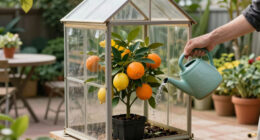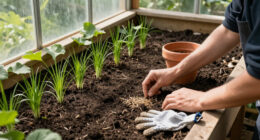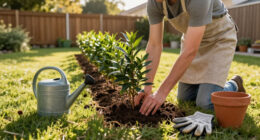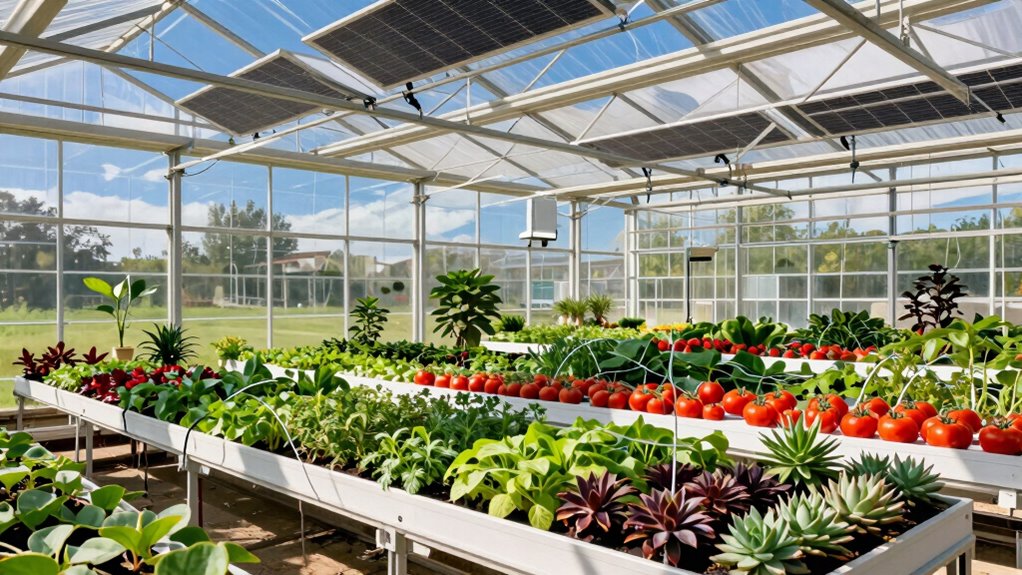

To choose greenhouse systems that do more with less, focus on sustainable materials like recycled framing and durable, lightweight components to reduce environmental impact and costs. Prioritize energy-efficient features such as passive solar design, proper insulation, and automated climate controls to cut heating and cooling needs. Opt for modular layouts and renewable energy options like solar panels to allow flexibility and lower operating expenses. Staying mindful of these factors helps maximize productivity and sustainability—keep exploring to learn how to implement these strategies effectively.

Get garden gear delivered free — and shop member deals
- Fast, free delivery on millions of items
- Access to Prime Big Deal Days deals on October 6–7
- Prime Video, Amazon Music and more included
Key Takeaways
- Select modular, adaptable designs to optimize space and allow easy upgrades, reducing long-term costs and resource use.
- Prioritize energy-efficient components like passive solar features, insulation, and automated climate control systems.
- Use sustainable, lightweight materials for framing and glazing to enhance durability and reduce environmental impact.
- Incorporate renewable energy sources such as solar panels or geothermal systems to lower operational expenses.
- Implement water-saving measures like rainwater harvesting and efficient irrigation to conserve resources.
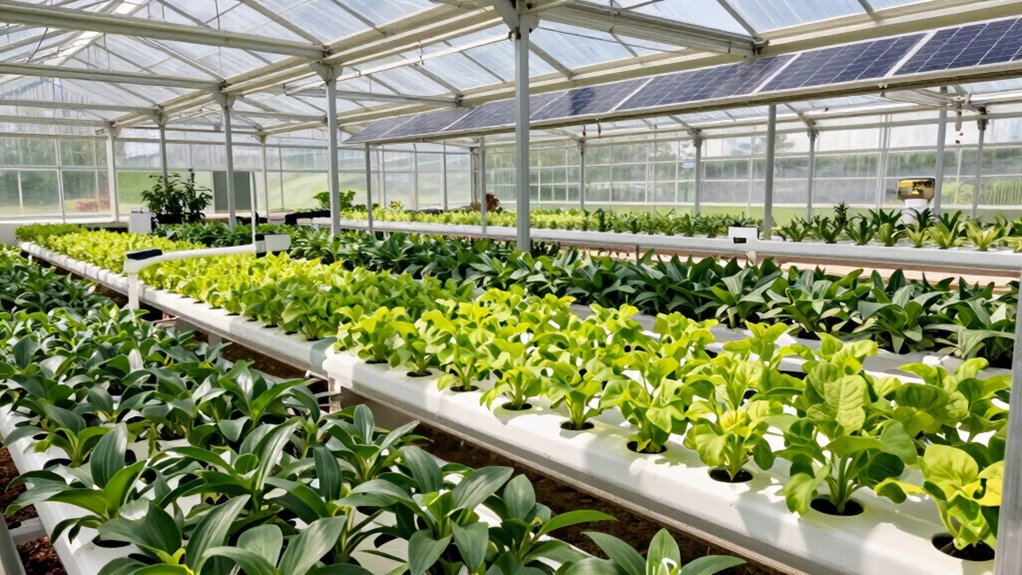
Selecting Greenhouse Systems is an essential step toward guaranteeing a successful and efficient growing environment. When you’re aiming to do more with less, focusing on systems that prioritize sustainability and energy efficiency becomes critical. You want a setup that minimizes resource consumption while maximizing plant growth, and choosing the appropriate materials and design features plays a key role in this. Sustainable materials, such as recycled or eco-friendly framing and glazing options, help reduce your environmental footprint and can often lead to cost savings over time. Selecting durable, lightweight, and insulating materials makes your greenhouse more resilient and less energy-intensive, allowing you to maintain ideal conditions with less effort and expense.
Energy efficiency should be a primary consideration in your decision-making process. Look for systems that incorporate natural light maximization, such as adjustable shades or reflective surfaces, to reduce reliance on artificial lighting. Proper ventilation and insulation also cut down on heating and cooling costs, so invest in designs that facilitate passive climate control. Automated systems for watering, heating, and ventilation can further reduce energy use by optimizing conditions based on real-time data. These features not only save energy but also ensure your plants receive consistent care with minimal manual intervention. Additionally, selecting energy-efficient components and technologies can significantly enhance the overall sustainability of your greenhouse. Incorporating passive solar design principles can further optimize energy use by leveraging natural heat and light. A well-planned layout that maximizes natural light exposure can also contribute to reduced energy needs and healthier plant growth.
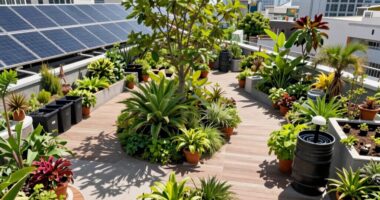
When evaluating different greenhouse systems, consider modular designs that allow easy expansion or modification. This flexibility helps you adapt to changing needs without overhauling the entire setup, saving both money and resources. A well-designed system will incorporate energy-saving technologies like solar panels or geothermal heating, which can considerably decrease long-term operating costs. Incorporating renewable energy sources is especially beneficial if you’re committed to sustainability, reducing your dependence on grid power and cutting emissions. Moreover, understanding how to effectively manage resources within your greenhouse can lead to further efficiencies and conservation efforts.
Another key factor is the overall design’s efficiency in managing internal conditions. Proper orientation relative to the sun can maximize natural light and heat, reducing the need for supplemental energy. Incorporate features such as shading systems to control overheating during warmer months, and consider rainwater harvesting options for irrigation, which further conserves resources. When you focus on these elements, you create a greenhouse that not only conserves energy and materials but also operates more cost-effectively over its lifespan. Thoughtful system design can also improve airflow, reducing the likelihood of disease and promoting healthier plant growth. To ensure your greenhouse remains sustainable over time, regularly monitoring and adjusting your systems can optimize performance and resource use.
Ultimately, choosing a greenhouse system that does more with less means balancing sustainability, energy efficiency, and practicality. By selecting thoughtful materials and innovative design features, you’ll build an environment that supports healthy plant growth while minimizing your ecological footprint and operating costs. This strategic approach ensures your greenhouse remains productive, environmentally responsible, and economically sustainable for years to come.
energy-efficient greenhouse systems
As an affiliate, we earn on qualifying purchases.
As an affiliate, we earn on qualifying purchases.
Frequently Asked Questions
What Is the Most Energy-Efficient Greenhouse System Available?
The most energy-efficient greenhouse system available combines solar heating with passive ventilation. You can maximize energy savings by using solar collectors to harness sunlight and heat your space naturally. Pair this with passive ventilation, which relies on natural airflow to regulate temperature without extra energy. This setup reduces reliance on artificial heating and cooling, making your greenhouse more eco-friendly and cost-effective while maintaining ideal growing conditions.
How Do I Determine the Right Size for My Greenhouse?
You determine the right size for your greenhouse by considering your plant selection and temperature control needs. Identify the types and quantity of plants you want to grow, then plan for ample space to prevent overcrowding. Make certain your greenhouse can maintain consistent temperatures for your plants’ health. Balancing these factors helps you choose a size that maximizes efficiency without wasting space or energy, leading to healthier plants and better yields.
Are There Eco-Friendly Materials for Constructing Greenhouses?
Yes, eco-friendly materials like recycled plastics and bamboo framing are excellent choices for constructing greenhouses. Recycled plastics reduce waste and are durable, making them sustainable for panels and structural components. Bamboo framing offers a renewable, biodegradable alternative to traditional wood, providing strength and flexibility. Using these materials helps minimize environmental impact while ensuring your greenhouse is sturdy and sustainable, aligning with eco-conscious gardening practices.
How Can I Minimize Water Usage in Greenhouse Systems?
Minimize water use in your greenhouse like a savvy sailor conserving every drop. Start by implementing rainwater harvesting systems to collect and reuse water efficiently. Choose drought-tolerant plants that thrive with less watering, reducing overall demand. Use drip irrigation to deliver water directly to roots, preventing waste. Regularly monitor soil moisture to avoid overwatering, ensuring your plants get just what they need. This approach keeps your greenhouse eco-friendly and water-wise.
What Maintenance Is Required for Sustainable Greenhouse Setups?
You need to regularly inspect and clean your greenhouse, focusing on soil health and pest control. Rotate crops to prevent soil depletion and introduce beneficial insects for natural pest management. Keep ventilation systems in good shape to reduce humidity, which helps prevent disease. Monitor plants closely for signs of pests or stress, and apply organic treatments when needed. Consistent upkeep ensures your sustainable greenhouse stays productive and eco-friendly.
Conclusion
Remember, a wise person once said, “Less is more.” When selecting your greenhouse system, focus on efficiency and sustainability to do more with less. By choosing the right setup, you’ll optimize your space, conserve resources, and boost your yields—all while keeping costs down. Stay mindful of your needs and make thoughtful choices. With the right system, you’ll cultivate success without overextending yourself—proving that sometimes, simplicity truly is the key to abundance.
Fall yard work Picks
leaf blowers
As an affiliate, we earn on qualifying purchases.