
TL;DR

Get garden gear delivered free with Prime
- Fast, free delivery on millions of items
- Prime Video, Amazon Music and more included
- Member-only deals all year
A native prairie plant is gaining popularity as a replacement for traditional Mediterranean garden species. It is more resilient, wildlife-friendly, and requires less maintenance. This shift reflects changing gardening trends and environmental considerations.
A native prairie plant is increasingly replacing Mediterranean species in gardens across parts of the United States, driven by its hardiness and wildlife benefits. This trend is noteworthy because it signals a shift toward more sustainable, low-maintenance landscaping choices that support local ecosystems.
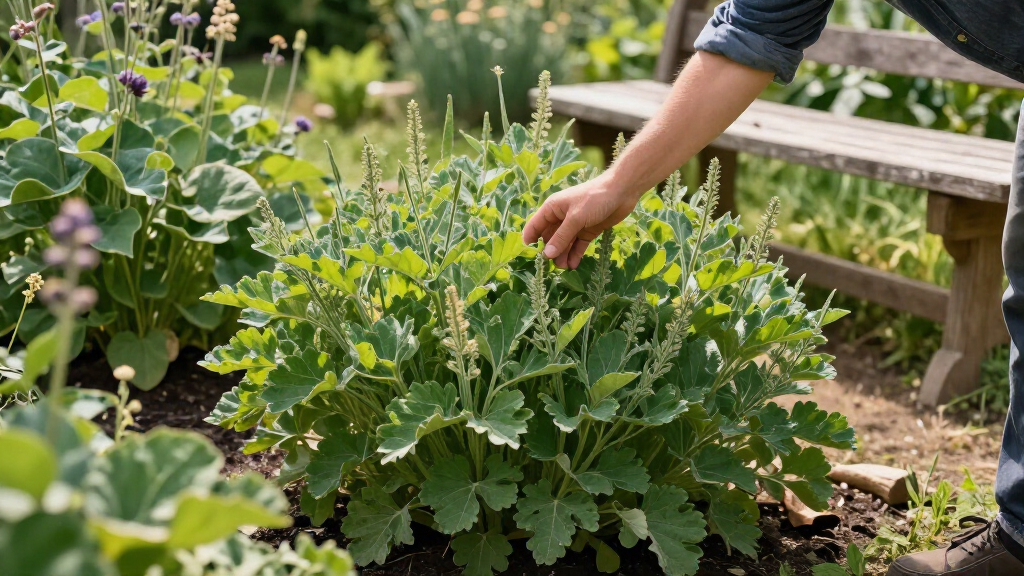
Recent reports indicate that gardeners and landscape designers are favoring a specific prairie native plant as an alternative to traditional Mediterranean plants such as lavender, rosemary, and thyme. This native, known for its striking appearance and resilience, is being adopted in both residential and commercial landscapes, especially in regions prone to drought and extreme weather.
Experts say the plant’s adaptability to local soil and climate conditions makes it a practical choice, reducing the need for supplemental watering and chemical treatments. Additionally, its ability to attract native pollinators and support local wildlife has contributed to its rising popularity, aligning with broader ecological gardening trends.
While precise data on the rate of adoption is limited, anecdotal evidence from nurseries and landscape professionals suggests a significant increase in sales and plantings over the past 12 months. The shift is also reflected in garden design publications and environmental initiatives promoting native plant use.
Why Replacing Mediterranean Plants Matters for Ecology and Sustainability
The growing use of this prairie native plant marks a move toward more sustainable gardening practices that reduce water consumption and chemical use. Its ability to thrive without intensive maintenance helps decrease environmental impact, especially in drought-prone areas. Furthermore, by supporting native pollinators and wildlife, this plant contributes to local biodiversity and ecosystem health.
For homeowners and landscapers, the shift offers a practical solution that combines aesthetic appeal with environmental responsibility. As climate change increases the frequency of extreme weather events, plants that are more resilient and adaptable will become increasingly valuable in sustainable landscape design.
native prairie plants for landscaping
As an affiliate, we earn on qualifying purchases.
As an affiliate, we earn on qualifying purchases.
Rise of Native Plants in Modern Garden Design
Over recent years, there has been a notable trend toward incorporating native plants into garden landscapes, driven by environmental concerns and the desire for low-maintenance options. Mediterranean plants, once favored for their drought tolerance and aesthetic appeal, are now being reconsidered as they often require specific soil conditions and regular watering.
The specific prairie native gaining traction is known for its striking appearance and adaptability, making it a practical alternative. Its increased popularity aligns with broader initiatives promoting native flora to support pollinators like bees and butterflies, which are vital for ecosystem health.
This shift is also supported by changes in gardening guidelines and incentives from environmental groups, encouraging the adoption of native species in urban and suburban settings.
What Details Are Still Unclear About Its Adoption
While anecdotal evidence suggests increased adoption, comprehensive data on the extent and geographic spread of this trend remains limited. It is also unclear how widespread this replacement will become across different regions and climate zones. Additionally, long-term performance and ecological impacts are still being studied, and some gardeners may face challenges in transitioning from Mediterranean species.
Expected Developments in Native Plant Adoption and Research
Researchers and horticulturists are expected to monitor the performance of this prairie native in various settings, potentially leading to more formal guidelines and recommendations. Nurseries may expand offerings, and garden design standards could increasingly favor native species. Public awareness campaigns are also likely to promote native plants as a sustainable choice, further accelerating adoption.
Key Questions
What is the name of the prairie native plant replacing Mediterranean species?
The plant is known as Purple Prairie Clover (Dalea purpurea), recognized for its striking purple flowers and resilience in dry soils.
Why is this plant considered better than Mediterranean species?
It is more resilient to drought and extreme weather, requires less maintenance, and provides vital habitat for native pollinators.
Are there any challenges in replacing Mediterranean plants with native species?
Some gardeners may face difficulties in establishing native plants initially, and there may be regional variations in plant availability or performance that require further study.
Will this trend continue to grow?
Experts expect increased adoption as awareness of environmental benefits grows and nurseries expand native plant offerings, but long-term data is still emerging.
How can homeowners incorporate native prairie plants into their gardens?
Consult local nurseries for native species suited to your region, prepare well-drained soil, and minimize watering to support native plant establishment.
Source: rss
Fall yard work Picks
leaf blowers
As an affiliate, we earn on qualifying purchases.