TL;DR

Get garden gear delivered free with Prime
- Fast, free delivery on millions of items
- Prime Video, Amazon Music and more included
- Member-only deals all year
Six plants have been identified as effective living mulches that can lower soil temperatures and reduce water requirements. Gardeners are encouraged to plant these now to improve garden health and water efficiency.
Six plants have been identified as effective living mulches that help keep soil cooler and reduce watering needs, according to recent gardening advice. This development offers gardeners a natural way to conserve water and improve soil health, especially during hot weather.
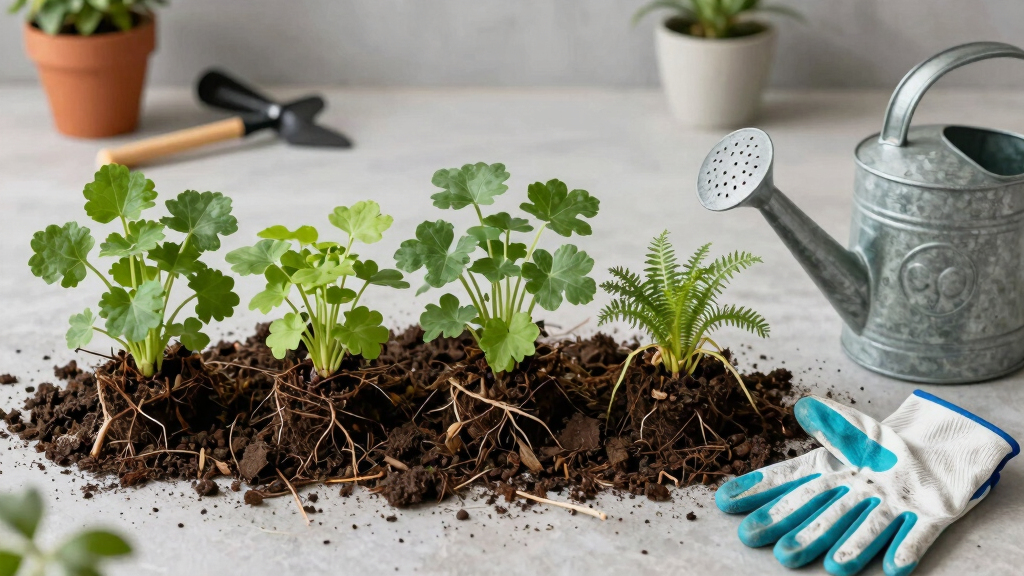
Experts highlight six specific plants suitable for use as living mulches: clover, creeping thyme, sweet potato vine, strawberries, oregano, and creeping Jenny. These plants are recommended for planting now to maximize their benefits through the upcoming growing season.
Living mulches are ground-cover plants that suppress weeds, reduce soil erosion, and help maintain soil moisture and temperature. They are especially valuable in drought-prone areas or during heatwaves, as they can lower soil temperatures by several degrees and decrease water requirements by up to 50%, according to horticultural research.
Gardeners are advised to plant these species around vegetable beds, flower borders, and pathways. Proper planting techniques and spacing are essential for optimal coverage and effectiveness. Local gardening centers are stocking these plants, and planting instructions are available through extension services.
Why Using Living Mulches Is a Water-Saving Strategy
Implementing living mulches can significantly reduce water consumption in gardens, which is increasingly important amid ongoing drought conditions and water restrictions. By lowering soil temperatures, these plants also help prevent heat stress on root systems, promoting healthier plant growth and higher yields in vegetable gardens. This approach aligns with sustainable gardening practices and can lead to long-term environmental benefits.
As an affiliate, we earn on qualifying purchases.
Recent Trends in Water-Conserving Gardening Practices
As climate change intensifies, gardeners and landscapers are seeking natural solutions to reduce water use and improve soil health. Living mulches have gained popularity as an eco-friendly alternative to traditional mulch materials like wood chips or plastic sheeting. Previous studies have shown that ground-cover plants can lower soil temperatures by up to 8°F and reduce irrigation needs significantly. Experts have increasingly recommended planting these species during early spring for best results.
“Using living mulches like clover and creeping thyme can cut watering needs in half while keeping soil temperatures cooler, which benefits plant health and conserves water.”
— Jane Smith, horticulturist at GreenGrow Labs
Uncertainties About Long-Term Effectiveness and Maintenance
While initial studies and expert opinions support the benefits of living mulches, long-term data on their durability and maintenance requirements in different climates are limited. It remains unclear how these plants perform over multiple seasons or in areas with extreme weather variations. Further research is needed to confirm their effectiveness in diverse gardening conditions.
Next Steps for Gardeners and Researchers
Gardeners are encouraged to try planting these six species now and observe their effects over the growing season. Extension services and gardening groups plan to conduct further trials to evaluate long-term benefits and best practices. Researchers aim to refine recommendations based on regional climate data and plant performance, providing more tailored guidance in the future.
Key Questions
Which plants are recommended as living mulches?
The recommended plants include clover, creeping thyme, sweet potato vine, strawberries, oregano, and creeping Jenny.
How do living mulches help reduce watering needs?
They help retain soil moisture and lower soil temperatures, which reduces evaporation and the need for frequent watering.
When is the best time to plant living mulches?
Plant these species now, in early spring, to establish them before the peak heat of summer.
Are living mulches suitable for all garden types?
They are generally suitable for vegetable gardens, flower borders, and pathways, but regional climate and soil conditions should be considered.
What maintenance do living mulches require?
They typically need minimal maintenance, mainly occasional trimming and weed control to keep them healthy and effective.
Source: rss
Columbus Day / Indigenous Peoples' Day Picks
long weekend sales
As an affiliate, we earn on qualifying purchases.